
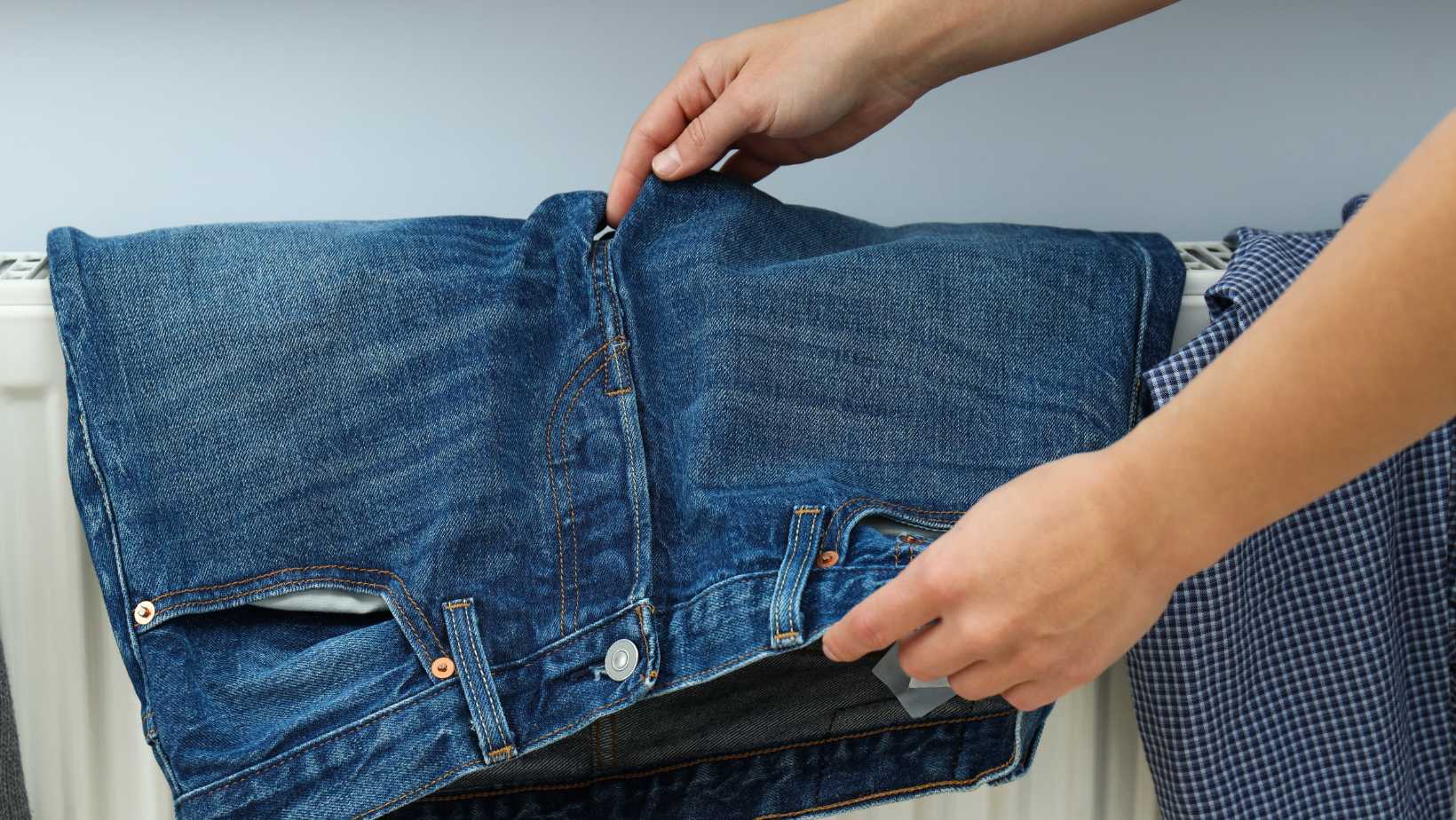
Finding jeans that fit when you’ve got bigger thighs can feel like a never-ending letdown. Either they strangle your legs or balloon out everywhere else. And no, it’s not just you—and it’s not because your body’s “hard to fit.” The problem is the jeans themselves.
Most jeans are built for a narrow set of proportions. That means guys with muscle, athletic builds, or naturally larger thighs get left out of the sizing equation. You shouldn’t have to choose between circulation and style.
That’s where this guide comes in. Below, we’ll cover the 7 most common fit problems men with big thighs face when shopping for jeans—and walk through simple fixes for each one. Whether you’re a lifter, ex-athlete, or just built solid, these tips will help you find jeans that work for your shape.
This isn’t about chasing trends. It’s about a better fit, more comfort, and jeans that move with you, not against you. Ready to finally stop settling? Let’s fix your fit problem once and for all.
Whenever you purchase through links on this page, we make a small commission from Amazon.com and other affiliate partners. Our ultimate goal is to provide our readers with actionable insights and practical tips that they can use to improve their daily lives. Learn more
Tight Thighs, Loose Waist: The Fit Imbalance Problem
You size up to fit your thighs, and now your waistband’s gaping like a paper bag. Sound familiar? This fit tug-of-war is one of the biggest complaints from men with strong or larger legs. It makes otherwise great jeans feel sloppy, forcing you to compromise on either comfort or appearance.
Here’s why it happens: Most jeans are based on a proportional fit model. They assume if your thighs are big, your waist must be too. But that’s not the case for most athletic builds. If you have a smaller waist and larger thighs, you fall outside the standard fit equation, and jeans start to work against your proportions.
To fix this, seek “athletic fit” or “tapered athletic” cuts. These are designed with more room in the thighs and seat, but taper in at the waist and legs. Brands like Levi’s 541, Barbell Apparel, and Mugsy Jeans are popular options in this category.
If you must size up, take your jeans to a tailor and ask for a waist adjustment. This quick fix can turn a decent fit into a perfect one.
Pro tip: Look for jeans with a darted waistband—a subtle detail that helps the waistband curve in after accommodating bigger thighs.
3. Stiff Fabrics That Don’t Move With You
You crouch to grab something or take the stairs two at a time—and suddenly your jeans feel like they’re fighting back. Or worse, you hear that dreaded ripping sound. If you’ve got muscular thighs, stiff denim can be brutal.
Here’s the issue: traditional denim—especially raw or rigid varieties—isn’t built for movement. It may hold a sharp crease, but it doesn’t stretch with your body. That’s a major problem if you need more give through the seat, hips, or thighs.
Instead, look for jeans that include 1–2% elastane or Lycra. This small amount of stretch won’t compromise the structure, but it’ll allow the fabric to move with you. Go beyond just the stretch percentage and check the weight of the denim—midweight blends (around 11–13 oz) usually strike the best balance between comfort and durability.
You’ll want to prioritize jeans labeled “performance stretch,” “tech denim,” or “comfort flex.” These are designed to adapt to movement without losing shape.
Materials to look for: 98% cotton / 2% elastane or 94/5/1 cotton-poly-spandex blends.
Skip 100% stretch jeans—they tend to sag—and be wary of stiff selvedge unless it’s custom or broken in over time.
Low-Rise Jeans That Ride Down Constantly
Every time you sit, squat, or walk around, your jeans start sliding down your backside. No belt seems to help, and you’re stuck constantly yanking them back up. Sound familiar? Low-rise jeans are usually the culprit.
The rise is the measurement from the crotch seam to the top of the waistband. Most off-the-rack jeans tend to be low-rise, which can create a significant fit issue for men with more substantial weight in their seat, hips, or upper thighs. The waistband can’t anchor properly, causing the jeans to roll and sag.
Switch to mid-rise (10–11″) or high-rise (11–12″) options for more stability and comfort. These sit closer to your natural waist, which means better coverage when bending, lifting, or moving around.
Brands like Wrangler “Cowboy Cut” and Gustin often offer these rises as part of their standard fits, without looking old-school. You can also find athletic cut chinos with higher rises, which provide similar comfort in more polished styles.
Tip: A higher rise doesn’t just fix ride-down—it also keeps your shirt tucked, your waistband in place, and your rear covered. Once you try it, low-rise jeans will feel like a bad prank.
Jeans That Sag or Look Too Baggy
You finally find jeans that fit your thighs… but now they puddle around your ankles or make your lower half look bulky. What’s the point of a good thigh fit if the rest looks like a hand-me-down?
This happens because roomy thigh jeans often carry that width straight down the leg. The result? A wide-leg cut that overwhelms your frame. Instead of a clean silhouette, you’re left with unnecessary bulk that makes your legs appear shorter and wider than they actually are.
To avoid this, tapered leg cuts give you space up top but narrow down from the knee or calf. Look for fits labeled “athletic taper” or “tapered athletic”—designed specifically to solve this shape imbalance.
Tailoring is another easy win here. If the thighs fit but the leg opening’s too wide, ask your tailor to taper the leg from the knee down. This small adjustment instantly sharpens the look without compromising thigh comfort.
Tailoring tip: Be specific. Don’t ask for the whole leg to be slimmed—just the taper below the knee. It keeps the top roomy while tightening the profile where it matters.
Sizing Inconsistencies Across Brands
You’re a 34 in one brand, a 36 in another—and somehow both fit differently. It’s frustrating, especially when ordering online. For men with large legs, inconsistent sizing makes jean shopping a guessing game.
Here’s why: every brand uses its fit blocks, which are the base templates for body proportions. Some lean slim, some favor straight, and many include vanity sizing, adding even more confusion. That’s why a “34×32” can feel wildly different depending on the label.
Your fix? Stop trusting the number on the tag—and start trusting the actual measurements. Look up each brand’s size chart and compare your dimensions to theirs. Pay close attention to the following measurements: thigh width, leg opening, rise, and waist.
Online reviews can also be helpful, especially on Reddit threads or forums where guys with similar builds discuss sizing. Once you find a brand that nails the fit, stock up or save your size notes for future buys.
📏 Tip: Know your measurements:
– Waist (at navel height)
– Thigh circumference (widest part)
– Inseam
– Rise (front and back)
Use those numbers to cut through size tag nonsense and get jeans that fit you, not some factory template.
Shrinkage and Stretch-Out Issues
Your jeans fit perfectly out of the bag—then after one wash, they feel two sizes smaller. Or, even worse, they stretch out after a few wears and start sagging. Getting the fit right is hard enough without your jeans shape-shifting on you.
Shrinkage typically occurs with untreated denim or inexpensive fabrics. On the other hand, jeans with too much stretch can sag, especially in the knees and seat. The key is choosing denim that retains its shape, both after washing and after a long day of wear.
Stick to preshrunk or sanforized denim if you’re buying non-stretch jeans. These go through a process that stabilizes the fabric and minimizes post-wash surprises. For stretch denim, avoid anything with over 2% spandex, as it tends to lose its bounce quickly.
Washing habits matter too. Wash cold, hang dry. Heat is denim’s enemy, causing even the best pairs to shrink. You can also spot clean when needed to stretch the time between washes.
Fabric pro tip: Look for jeans made with ringspun cotton or ringspun denim. This yarn construction resists warping, helping your jeans maintain their shape over time, even after repeated wear and washes.
The Need for Constant Tailoring
Every pair feels like it’s almost working, but still needs some adjustments. Waist too loose, rise too short, taper all wrong. If you’re constantly taking new jeans straight to the tailor, you’re not alone.
Most off-the-rack jeans are designed for average proportions. But if you’ve got larger thighs, a smaller waist, or a more muscular build, the standard sizing doesn’t match up. Unfortunately, brands can’t cover every body type, so that “near miss” fit becomes the norm.
Here’s the move: find jeans that get you 80% there, then fine-tune the rest. Waist, taper, and rise adjustments make the biggest difference, and most tailors can handle these quickly and affordably. The result feels like a custom fit, without paying custom prices.
If you’re sick of always adjusting, consider made-to-measure brands. Options like Sene Studio, Unspun, or MTailor allow you to build jeans based on your exact body measurements—no guessing, no extra trips to the tailor.
Budget tip: A leg taper usually runs $15–$25, cheaper than returning three pairs that almost fit. Once you know what to ask for, tailoring becomes a smart shortcut, not a burden.
Quick Reference: Best Brands and Cuts for Big Thighs
No fluff—just solid options that guys with bigger thighs consistently swear by. Based on Reddit threads, reviews, and firsthand testing, here are some of the best jeans for men with big thighs:
- Levi’s 541 Athletic Taper – Classic and widely available
- Barbell Apparel – Built for lifters; great stretch and recovery
- Mugsy Jeans – Super soft with forgiving thigh room
- Bonobos Athletic Fit – Dressier, with clean tapering
- American Eagle Athletic Fit – Affordable with great stretch
- Wrangler ATG / Cowboy Cut – Higher rise and solid seat room
These aren’t trend pieces—they’re dependable fits that work.
Conclusion: Good Fit is Out There
If jeans have never fit quite right, the problem isn’t your legs—it’s the cut. Mass-produced denim wasn’t designed for men with strong thighs, tapered waists, or athletic builds. But the good news? More brands are now paying attention.
Once you know your key measurements and what to look for—rise, thigh room, taper—you’ll stop wasting time on jeans that don’t stand a chance. Tailoring helps close the final gap, and when you find the right fit, you’ll feel the difference every time you move.