
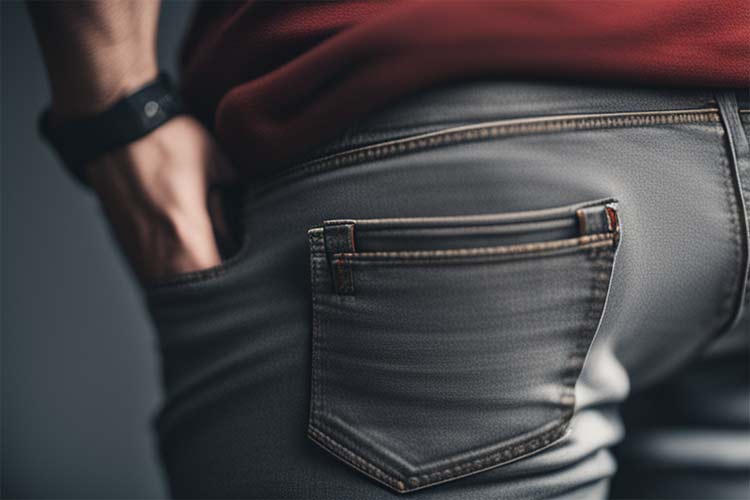
Finding jeans that fit well can be frustrating, especially when most styles seem designed for guys with more shape in the back. If you’re tired of sagging fabric, gaping waistbands, or jeans that don’t look right from behind, you’re not alone. This guide is packed with practical advice on choosing the best jeans for men with a flat butt—from fit and fabric to pocket tricks and styling tips that make a real difference. Whether you’re shopping on a budget or looking for a tailored upgrade, you’ll find simple, clear answers right here.
Whenever you purchase through links on this page, we make a small commission from Amazon.com and other affiliate partners. Our ultimate goal is to provide our readers with actionable insights and practical tips that they can use to improve their daily lives. Learn more
Understanding the Fit Challenges of a Flat Butt
If you’ve ever tried on a dozen pairs of jeans and still felt like none looked quite right from behind, you’re not alone. A flatter backside can make shopping feel frustrating, especially when most jeans are designed with a fuller shape in mind. Understanding how jeans are built helps you spot what’s working and what’s not.
Many off-the-rack jeans are designed for average-to-full glutes, leaving men with flat butts to deal with excess fabric in the seat area. This extra material doesn’t just feel uncomfortable—it creates sagging, droopy lines that visually shrink your rear even more. Jeans that look crisp on a hanger often end up looking deflated when worn without the right fit.
One of the most obvious signs of a bad fit is bagginess below the back pockets. If the denim bunches or folds at the seat, it’s not providing the support or shaping you need. Sagging crotch seams and gapping waistbands are also clues that your jeans weren’t cut with your body type in mind. Instead of lifting or defining, they make your silhouette disappear.
What makes a good fit? You’re looking for a seat that hugs without pulling, a back yoke that creates lift, and seams that follow your natural lines. The fabric should contour gently without clinging like leggings. Think smooth support, not tight compression.
Lastly, this isn’t just about appearance. If you’ve ever felt self-conscious or avoided certain outfits because they make your backside look flat, it affects how you show up. A better fit can change your posture, your comfort, and your confidence. Jeans should work for your shape, not against it.
Best Jean Fits for Men with Flat Butts
Choosing the right fit is the fastest way to improve how jeans look on a flatter backside. The wrong cut can exaggerate what you’re trying to minimize, while the right one adds shape, structure, and balance. Here’s how to find fits that do your body justice—without sacrificing comfort.
Slim, straight, and athletic fits are your best bet. Skinny jeans hug the hips and seat just enough to add structure without squeezing. Straight-leg jeans offer a cleaner line down the leg, which can create a stronger silhouette. Athletic fits give more room in the thighs but taper below the knee—great if you want balance without bulk. Avoid relaxed or loose fits that drown your shape from the waist down.
Rise height makes a big difference in shaping. Low-rise jeans sit below the hips and often highlight a flat butt in the worst way. Mid-rise jeans usually hit just below your navel and are more flattering—they gently lift and support the seat. High-rise jeans can help too, especially when paired with a tucked-in shirt, but only if they fit snugly without gapping at the back.
To avoid excess fabric around the rear and thighs, look for jeans labeled as “trim seat” or “contoured fit.” These styles reduce the bunching that happens when jeans are too baggy in the wrong spots. If the denim doesn’t follow your natural curves, it tends to sag and fold, creating extra volume where you don’t want it.
Tapered leg openings also play a big role. When the leg narrows toward the ankle, it visually pulls the eye upward, making your hips and backside look more defined. Flared or wide-leg jeans do the opposite. They make your shape disappear by adding weight to the lower areas. A clean, tapered finish helps create a well-proportioned frame.
Choosing the Right Denim Fabric
Fabric matters more than most guys think, especially when you’re working with a flatter backside. The way denim moves, holds its shape, and hugs your body all comes down to the material blend. Choosing the right fabric provides built-in shaping, eliminating the need for extra padding or layers.
Stretch denim is the go-to for a reason. Unlike stiff, traditional denim, it includes elastane or spandex that helps the jeans mold to your body. This flexibility is especially useful when your jeans need to create shape where there isn’t much natural curve. It also improves comfort—stretch denim moves with you instead of sagging or pinching.
Denim weight also affects the appearance and feel of jeans. Lighter denim (under 10 oz..) tends to drape loosely and lacks structure, which can make your butt look even flatter. Medium to heavier-weight denim (11–14 oz..) holds its shape better, smoothing over flatter areas and giving a cleaner, more defined fit. It offers gentle resistance, which creates a subtle lift effect at the seat.
Recovery is another important factor—this is the fabric’s ability to bounce back after you sit or move. Denim with poor recovery stretches out in the seat and knees, leading to sagging fabric and a sloppy fit. Good recovery means your jeans will maintain their shape throughout the day, making your rear look more fitted and firm.
Look for denim blends that combine cotton with 1–3% elastane or Lycra. Some jeans also include polyester for extra durability. These blends offer structure without stiffness, so your jeans naturally contour your body. The right blend will hug just enough, hold up over time, and help visually boost your backside without overcompensating.
Pocket Placement: The Underrated Game-Changer
You might not notice pocket placement when trying on jeans—but it makes a huge difference for how your backside looks. For men with flatter butts, the pocket shape, size, and location can either build the illusion of lift or drag everything down.
Start with a pocket-sized. Small to medium pockets tend to flatter a flat butt by visually concentrating space and adding bulk where it’s needed. Large pockets do the opposite—they dominate the seat area, making it look longer and flatter. If the pockets extend below the bottom curve of your butt, they’ll only stretch the look downward.
Now look at where the pockets sit. You want them positioned slightly higher on the seat, so they don’t sag toward the thighs. High-set pockets create the appearance of lift by visually pushing everything upward. Pockets that sit too low pull the eye downward and emphasize a lack of volume in the rear. The sweet spot is centered just above the midpoint of your butt.
The angle of the pockets matters, too. A slight inward tilt—where the pocket corners point toward your tailbone—can create a rounding effect. It adds dimension where your jeans might otherwise look too flat. Pockets placed too far apart flatten things even more. Keep them closer to the center without actually overlapping.
Brands that focus on fit usually put extra care into pocket styling. Look for angled stitching, subtle fading, or flap details—all of these features can build depth. Avoid bold embroidery or flashy stitching, as they tend to draw attention to the lack of shape rather than fixing it.
Styling Tips to Enhance a Flat Butt
Even with the right jeans, the way you style the rest of your outfit can significantly impact how your body looks. Strategic layering, shirt choices, and smart accessories can all shift focus upward and balance out a flat backside without needing drastic changes or uncomfortable fixes.
Start by layering to draw the eye up. Lightweight jackets, hoodies, or flannel shirts worn open over a tee help add volume to your upper body. This creates contrast between your top and bottom halves, making your lower half appear more voluminous in comparison. Denim jackets or utility shirts work well for this, especially if they hit above the waistline.
Shirts that create visual structure can also be helpful. Henleys, polos, and slim-fit button-downs provide form and shape up top. Avoid super-long or oversized shirts—they cover the butt completely and make your frame look off-balance. Shirts that end around your beltline keep your proportions looking natural. A half-tuck or front-tuck can also break up the silhouette and show off the waistband of your jeans.
Belts can be your secret weapon. A bold belt buckle or a well-fitted leather belt naturally brings attention to your waist and seat area. Tucking in your shirt—even partially—lets the belt do its job. It helps define your midsection and draws the eye right where you want it.
Footwear finishes the look. Slim sneakers, Chelsea boots, or loafers with a slight heel give a subtle lift and elongate your legs. Avoid heavy or bulky shoes that visually weigh you down. When your boots are sleek, they reinforce a cleaner silhouette and keep the focus upward, helping your jeans do more visual work from the waist down.
Fit Adjustments and Tailoring Tricks
Sometimes even your best-fitting jeans need a little help. If the rear looks saggy or the legs feel too loose, small adjustments can turn “just okay” jeans into your go-to pair. Tailoring makes off-the-rack jeans fit like they were made for you—and it’s more affordable than you’d think.
One of the most common alterations is seat reduction. A tailor can take in the fabric around your butt and upper thighs to remove sagging and tighten the fit without making the jeans uncomfortable. This subtle lift makes a big visual difference, especially for flat butts. You can also ask for a back-yoke adjustment to bring the waistband and seat into better alignment.
Tapering the legs is another easy fix. If the leg opening is too wide or the jeans feel baggy around the calves, tapering adds structure and balances out the fit. A gradual taper from the knee down creates a cleaner line, making your silhouette look more proportionate overall. This is especially useful if your jeans fit well in the waist and seat but feel loose in the lower areas.
Whether you go the DIY route or work with a pro depends on your confidence and tools. Taking in legs or hemming is possible at home with a good sewing machine and some practice. But for seat alterations or waistband tweaks, it’s best to trust a professional tailor. These changes require precision to maintain comfort and durability.
Tailoring costs can vary, but many adjustments fall in the $15–$40 range. Compared to replacing your jeans entirely, these small investments extend the life of your wardrobe and save money over time. One well-fitted pair is better than three mediocre ones.
Best Jeans Brands for Men with Flat Butts
Some brands get it. They design jeans with better fits, smarter pocket placement, and fabric that works with your body. If you’ve got a flatter butt, these brands consistently deliver options that flatter without faking it—and you won’t need a tailor right out of the gate.
Bonobos is a standout for its tailored approach. Their “Stretch Washed Denim” and “Premium Jeans” lines offer a trim seat and a curved waistband that hugs without gapping. Bonobos’ athletic and slim taper fits are especially strong choices if you want shape with room in the thighs. Prices usually range from $99–$145, and their try-at-home options make sizing easier.
Levi’s offers solid fits at all price points, and their 511 Slim and 512 Slim Taper jeans are the most flattering for flatter backsides. The seat is snug but not tight, and the pocket placement is usually right where you want it. Available everywhere, you can try them in-store or order online with free returns. Expect to pay $70–$98 at retail, though discounts are common.
Paige jeans come at a higher price point, but their premium stretch denim and spot-on fit in the seat make them worth a look if you want polished comfort. The Lennox and Federal styles have clean tailoring and minimal detailing that flatter a flat butt without overcomplicating the look. Expect to pay around $180–$210.
AG Jeans (Adriano Goldschmied) builds its jeans with shaping in mind. Their “Graduate” and “Tellis” styles offer a fitted seat, mid-rise, and tapered leg—all ideal for creating structure. The soft stretch fabric keeps the shape locked in. AG runs about $160–$200, and their jeans hold up well over time.
Wrangler Slim Fit jeans offer great structure at a budget-friendly price. Their “Retro Slim Fit” and “Slim Straight” lines feature high back pockets and rigid denim that maintains its shape. These jeans usually cost under $60 and are easy to find in stores or online.
Budget-Friendly Options That Still Flatter
You don’t need to spend $150 on jeans that fit well and enhance your shape. With the right shopping strategy, you can find affordable jeans that still offer structure, smart pocket design, and flattering cuts—even under $75.
Start with brands like Uniqlo, Old Navy, and Target’s Goodfellow & Co. These offer slim and tapered fits with decent fabric recovery and minimal sag in the seat. Uniqlo’s stretch denim holds shape well and runs around $50. Goodfellow jeans often include tapered options with solid pocket placement for just $30–$40.
Secondhand shops and resale platforms can be goldmines for quality denim. Thrift stores, Poshmark, and eBay regularly carry premium brands like Levi’s, Bonobos, and AG for half the price. Filter by your waist size and preferred fit (e.g., “slim taper” or “athletic cut”), then check the return policies. Bonus: Many jeans are barely worn or still new with tags.
For stretch denim under $75, keep an eye on sales. Retailers like Nordstrom Rack, Kohl’s, and Macy’s often carry past-season Paige, Levi’s, and Wrangler styles with discounts up to 60%. Watch for phrases like “slim seat” or “flex fit” on product pages—they’re often clues to better shaping.
Lastly, shift your mindset from brand-first to fit-first. A no-name pair with a great seat, mid-rise waist, and close-cut leg is a better choice than a trendy label that bags in all the wrong places. Try on multiple fits, take photos in the dressing room, and trust your instincts about how the jeans look and feel, not just what the tag says.
Mistakes to Avoid When Shopping for Jeans
It’s easy to grab the wrong pair when shopping feels rushed, or when trends lead the way. But if you’ve got a flatter backside, a few common mistakes can make jeans look worse instead of better. Here’s what to steer clear of so you don’t waste time or money.
Skip overly baggy or ultra-skinny fits. Loose styles sag in the seat and exaggerate flatness. On the flip side, super skinny jeans cling too much and can highlight exactly what you’re trying to downplay. Instead, go for slim, straight, or tapered cuts that define without squeezing.
Watch the rise. A rise that’s too low makes your backside look longer and flatter. High-rise jeans can work if they fit your waist snugly, but the safest bet is often a mid-rise. It balances proportions and helps lift the seat area naturally. Always check where the waistband hits and how the rear seams fall.
One of the biggest mistakes is ignoring rear fit while focusing only on the waist. Just because the waistband feels good doesn’t mean the rest of the jeans do. Always check the mirror from behind—look for sagging, bunching, or gapping pockets. The seat should contour, not collapse.
Don’t fall for trends that don’t match your body. Wide legs, flared styles, and dropped crotch jeans may be popular, but they rarely flatter a flat butt. Aim for timeless fits that consistently work with your shape. Fashion shifts, but a well-fitted rear never goes out of style.
Final Checklist: How to Know You’ve Found the Right Pair
Once you’ve tried on a few options, how do you know when you’ve found a pair that fits you, not just your waist? Use this quick checklist to spot a winner before taking them home or hitting “buy now.”
Walk, sit, and bend. Movement should feel natural—no pinching, sagging, or slipping down. Sit down and check the waistband. If it gaps at the back, the rise or cut might be wrong. If it pinches, consider sizing up and tailoring the waist for a perfect match.
Check the rear view. The jeans should contour your butt without bunching or pulling. You want a smooth fit across the seat with enough structure to hold shape. If the fabric droops under the pockets or flattens out completely, keep looking.
Waist fit matters—but so does hold. A good fit means the waistband stays up without a belt but still feels comfortable. You should be able to slide a finger in, but not a full hand. If the waistband fits but the seat doesn’t, try a different cut, not a different size.
Ask: Can I wear these for more than one thing? Your best jeans should work for errands, casual nights out, or even dressed up with a blazer. If they look great from all angles, feel good, and can be worn a few ways, they’re worth keeping.
Explore More Fashion
Best Jeans For Men With No Butt To Buy Online
8 Best Mens Jeans That Stretch
5 Best Jeans for Men with Skinny Legs That Actually Fit Right
7 Common Struggles with Jeans for Men with Big Thighs