
Welcome to Menstopspot

Recent Posts

How to Wear a Sports Jacket With Jeans for a Sharp, Casual Fit


Sports Jacket With Jeans

You want to look sharp without feeling like the most overdressed guy in the room. That’s where a well-chosen sports jacket with jeans comes in. Done right, it looks relaxed enough for drinks or weekends, but polished enough for dates, dinners, and casual office days.

The problem is the details. Baggy denim, shiny business suits posing as jackets, square-toed shoes, or beat-up runners can make the whole combo feel off. You worry you’ll look like you tried too hard or didn’t try at all.

This guide keeps things simple and practical. You’ll see how to choose the right jacket fabric and fit, the jeans that actually flatter, plus shirts, shoes, and accessories, so you can buy with confidence and refine your style over time.

Whenever you purchase through links on this page, we make a small commission from Amazon.com and other affiliate partners. Our ultimate goal is to provide our readers with actionable insights and practical tips that they can use to improve their daily lives.Learn more

Get the Balance Right: How Your Jacket and Jeans Should Match
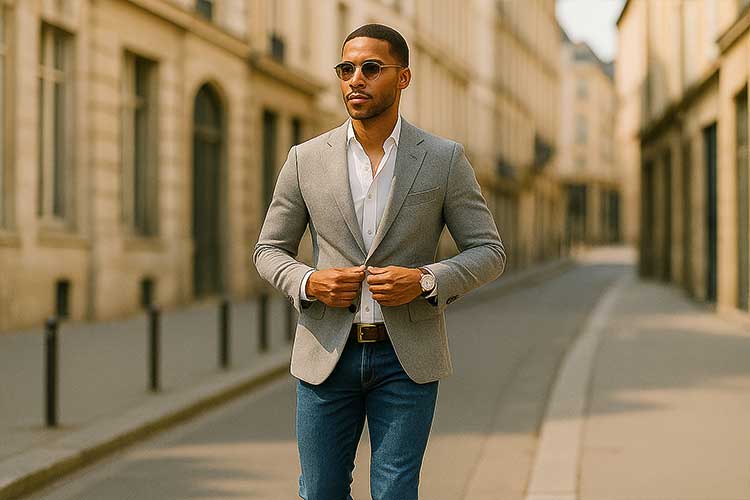
Sports coat With Jeans

You don’t need a huge wardrobe to nail this look, but you do need balance. Every part of the outfit, jacket, denim, shirt, and shoes, should be at the same level of smart casual. Once you get that idea, building outfits starts to feel easy and repeatable.

Think of formality as a slider. Rugged, shredded jeans fight against a shiny office jacket, and that clash is what makes outfits look “off.” Aim for middle-ground pieces instead: a jacket with some structure but soft shoulders, and jeans that are clean, dark, and free of whiskers or rips. A Sports Jacket With Jeans should look like two parts of the same story, not from different wardrobes.

Now, here is the interesting part: fit will quietly decide whether you look sharp or sloppy. You want the jacket to shape your torso with a slight nip at the waist, sleeves that end just above the wrist bone, and jeans that skim your legs without grabbing your calves. Off-the-rack is fine, but a simple sleeve tweak or jean hem can change how everything feels.

Color ties it all together. Simple combos are your friend: navy jacket with dark blue jeans, brown jacket with mid-wash denim, grey jacket with black jeans. While you want contrast between jacket and jeans, avoid shades that are so close they look like a “failed suit.” Start simple, then experiment with bolder pairings once you’re comfortable.

Choose Your Sports Jacket: Fabric, Color, and Fit

Buy On Amazon

Most guys don’t mess up the jeans; they mess up the jacket. Grab a shiny office blazer and you look stiff; grab a sloppy one and you look like you dressed in the dark. This section shows you how to spot the best sports jackets to wear with jeans so your outfit actually makes sense.

Start with fabric. Smooth worsted wool screams “boardroom,” while textured cloth feels relaxed enough for denim. Look for tweed, hopsack, brushed cotton, or linen blends that have a bit of grit and visual texture. Navy, brown, and grey work hard in real life and pair easily with dark or mid-wash jeans. Soft shoulders or light padding keep the jacket from looking like half a suit.

Now think about color and pattern. Navy, charcoal, medium brown, and olive give you maximum flexibility, especially if your jeans range from dark indigo to lighter blue. Subtle patterns, small checks, herringbone, or a quiet windowpane add interest without fighting your denim. Buy your first jacket in a solid or very subtle pattern, then grab a bolder check once you know you’ll wear the combo often.

Fit is what separates a “good enough” jacket from one you never want to take off. Try several brands and sizes; you want clean shoulders, a waist that shapes but doesn’t pinch, and sleeves ending near the wrist bone. If you’re picky about fit, a custom-tailored sports jacket for jeans can give you the exact shoulder, sleeve, and body shape you like.

Choose Your Jeans: Wash, Fit, and Dressiness Level
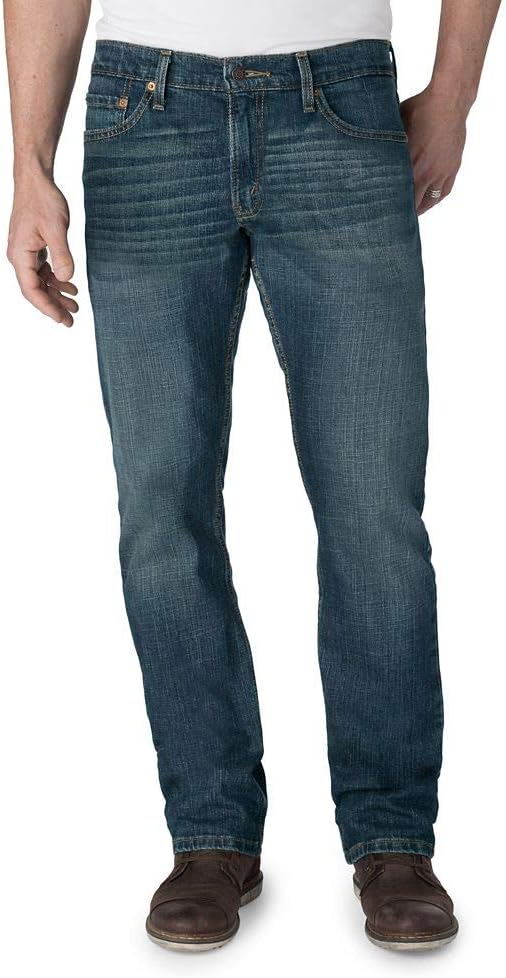
Levi Strauss Straight Fit Jean

Buy On Amazon

Your jacket can be perfect, but the wrong denim will drag the whole outfit down. So you want jeans that feel casual enough for daily wear but sharp enough to pair with a structured jacket. Think clean lines, solid color, and just enough polish to handle dinners and dates.

Start with the wash. Dark indigo or rinsed denim instantly looks sharper than light, blown-out blue. A sports-jacket-and-dark-jeans outfit men can wear to dinners, casual Fridays, or dates hits that sweet spot between relaxed and refined. Black jeans read slightly dressier; mid-wash feels more relaxed and works better with textured, earthy jackets. Pairing a sports coat with jeans works best when your denim looks slightly polished rather than weekend-only.

Now, check the fit and leg shape. You want slim or straight jeans that skim your legs without clinging. Overly skinny cuts make your upper body look bulky and throw off the balance. On the other hand, wide, saggy fits bunch over your shoes and kill the clean line you get from a sharp jacket. The best jeans to wear with a sports coat keep distressing low, whiskering soft, and rips out of the picture.

Length is the quiet detail that separates “fine” from “nailed it.” Aim for a slight break or almost no break at the shoe for a modern feel. Decide whether you prefer a small cuff or a clean hem, then stick with it so your closet feels consistent. A quick hem at the tailor costs little and once your jeans are dialed in, the shirt, shoes, and accessories in the next sections start to fall into place almost automatically.

Shirt Options & T-Shirt Combinations With Suit Jackets and Jeans

Buy On Amazon

Here’s the harsh truth: most guys get the jacket and denim right, then wreck the outfit with the wrong shirt. The collar collapses, the print screams, or the T-shirt looks like sleepwear. Your shirt choice decides whether the whole mix feels modern, confident, and intentional—or like you just grabbed the nearest clean top.

Start with the classic dress shirt, sports jacket, and jeans. Go for crisp cotton in solids or subtle patterns, with a collar that stands up clean under the lapels. White, light blue, and pale pink are easy wins, plus small checks or stripes. Tuck it in with a proper belt for a sharper edge; for relaxed settings, you can wear it untucked if the length hits mid-fly, not halfway down your thighs.

Now, think about options that sit between a formal shirt and a tee. Oxford cloth button-downs, chambray, and soft flannel give you texture and comfort without looking sloppy. Roll the sleeves, leave the top one or two buttons open, and you instantly look laid-back but still pulled together.

T-shirts work too, but not the gym kind. Strong T-shirt-and-suit-jacket combinations use plain, good-quality tees in white, black, or grey. Avoid loud logos and giant graphics that fight the jacket. Use simple formulas you can repeat: navy jacket + white tee + dark jeans, or grey jacket + black tee + black jeans, for a low-effort but sharp look.

Wear Appropriate Shoes: From Sneakers to Brogues

Shoes are where a lot of guys sabotage a great jacket-and-denim combo. Too sporty and you look like you forgot to change after the gym; too formal and your feet look ready for a wedding while your jeans look ready for tacos. The right footwear quietly controls how dressed-up or relaxed the whole outfit feels.

Here’s the aha moment: think of your shoes as the “volume knob” for the outfit. Clean leather or suede sneakers in white, grey, or navy keep things relaxed but still sharp. They work best with darker, slim jeans and a softer jacket for weekends, casual dinners, or travel days. Just skip running shoes and chunky trainers; the sporty soles clash with the jacket’s structure, making the outfit feel confused.

Now move the dial up with loafers, brogues, or derbies. Brown leather loafers with dark denim and a navy jacket are an easy go-to for dates and smart dinners. Suede brogues or derbies sit in a sweet spot: sharper than sneakers, but less stiff than glossy dress shoes. They’re ideal when you want to look like you made an effort without looking like you left a meeting. This is where most men keep their best shoes for wearing with a sports jacket and jeans.

For colder months, boots step in. Chelsea boots or chukkas, in leather or suede, pair perfectly with slim, slightly cropped, or neatly hemmed jeans. Tan boots team nicely with mid-wash denim and brown or olive jackets, while dark brown or black boots match dark jeans and a navy jacket. The shape of the boot is sleek, not bulky, which keeps your sports jacket-and-jeans combo looking intentional, not like you threw on smart shoes with workwear.

Accessories and Layering With Knitwear

Small details are where your outfit really starts to look intentional. The right belt, watch, and knit layer can make your jacket-and-denim combo feel sharper without screaming “look at me.” So this is where you turn a basic mix into something that looks well put together.

Start simple with accessories. A leather belt that matches your shoe color instantly makes the outfit feel more considered. A clean watch on a leather strap or metal bracelet beats a chunky digital piece that belongs in the gym. Pocket squares can be subtle: white, navy, or a soft pattern that nods to your shirt or jacket. You don’t need bright colors; a hint of contrast at the chest is enough to make people think you pay attention.

Now here is the interesting part: knitwear lets you adjust warmth and dressiness in one move. Think fine-gauge crew necks, V-necks, or light turtlenecks when layering knitwear under a sports jacket with jeans. Grey, navy, and camel slip under most jackets without bulk, keeping your silhouette clean. Thick, chunky knits look great on their own but can make your jacket pull and bunch, so keep anything under the lapels fairly slim.

Cold-weather extras finish the picture. A simple wool scarf, leather gloves, and a clean overcoat worn over your jacket keep you warm without ruining your outfit’s shape. While bold colors can work, sticking to a tight palette of navy, grey, brown, and black means you can grab any piece in a rush and still know it matches your sports coat and jeans combo.

When to Wear a Sports Coat and Jeans: Formulas for Real Life

casual sports coat and jeans

You don’t want to stand in front of your closet, guessing whether a jacket-and-denim combo is “too much” or “not enough.” So here’s where you see exactly how to plug a sports jacket with jeans into dates, work, weekends, and travel without overthinking it.

For date night and dinners, keep it simple and reliable. Try a navy jacket, dark jeans, a white shirt, and Chelsea boots. The coat shows effort, the denim keeps you relaxed, and the shoes add a bit of edge. When you’re unsure how dressy the restaurant is, this sports-coat-and-jeans setup keeps you safe from both extremes.

For casual offices, lean into texture. A grey or brown jacket, mid-wash jeans, an OCBD or chambray shirt, and loafers or derbies cover most “smart casual” workplaces. If your office leans sharper, pick darker denim and leather shoes; if it skews relaxed, choose softer fabrics and maybe suede. Weekends and travel need comfort that still looks well-thought-out. Here’s where how to dress up jeans with a sports jacket really pays off: navy jacket, dark or black jeans, a clean tee, and leather sneakers handle airports, city breaks, and family events, and once you own that combo, a sports jacket with jeans becomes the outfit you reach for on repeat.
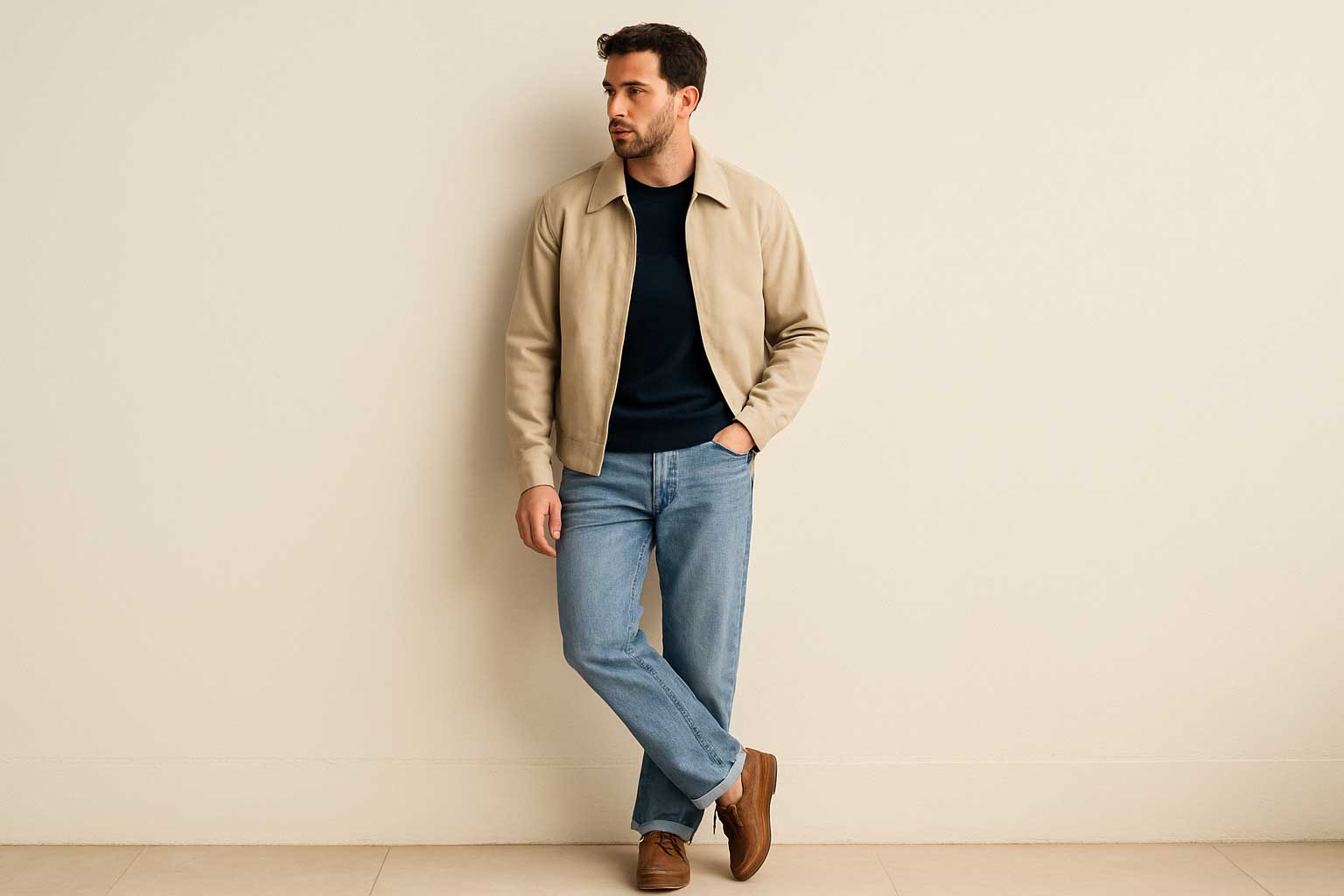
Best Jeans for Men Under $100: Affordable Yet Durable Pairs


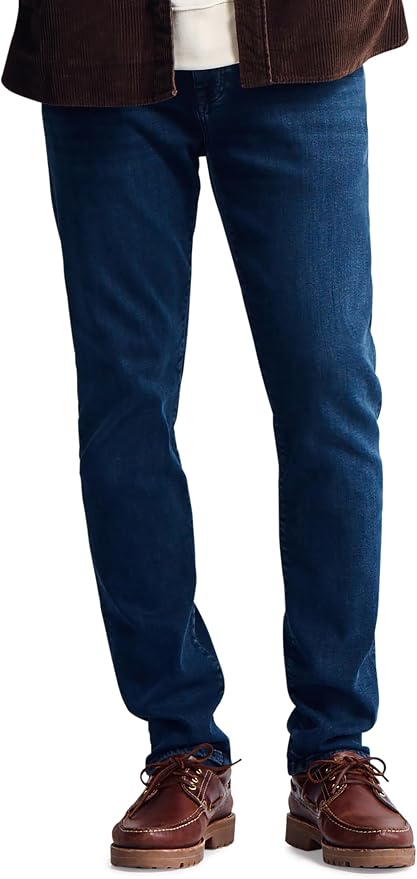
mens style Jeans

Finding affordable men’s jeans that actually fit right, hold up through wear, and don’t feel like sandpaper on your legs? Harder than it should be. Some pairs shrink, some bag out, and others don’t feel good to wear past day one. And yet, dropping over $100 doesn’t always guarantee better results.

Here’s the good news: brands in 2025 are proving you can find stylish, durable, and comfortable jeans without overspending. You don’t have to compromise on quality just because you’re on a budget.

This guide breaks down the best men’s jeans under $100, all tested for fit, comfort, quality, and everyday wear. Whether you need jeans for work, weekends, or something in between, there’s a pair here worth trying.

Whenever you purchase through links on this page, we make a small commission from Amazon.com and other affiliate partners. Our ultimate goal is to provide our readers with actionable insights and practical tips to improve their daily lives. Learn more.


Lucky Brand 363 Vintage Straight-Leg Jean

Buy On Amazon

A clean, classic straight-leg cut that flatters most builds and works with everything from tees to button-downs.

The Lucky 363 jean is crafted from soft mid-weight cotton with just a touch of stretch, making it feel broken-in from the start. It strikes the right balance—structured enough to look sharp, flexible enough for comfort. The rise is neither too low nor too high, making it one of the best-fitting men’s jeans under $100.

Stitching holds up after repeated washes, and the color fades evenly with wear.

Details: Material: 99% Cotton, 1% Elastane – Sizes: W29–W44 L30–L34 – Colors: Dark, Medium – Care: Wash cold, tumble low


Buffalo David Bitton Men’s Straight Six Jeans

Buy On Amazon

Sleek and streamlined, these mid-rise jeans offer a clean, straight fit that looks sharp without trying too hard.

Buffalo David Bitton’s Straight Six jeans feature a stretch denim blend that resists sagging and holds its shape after long days or multiple washes. The texture feels smoother than typical rigid denim, and the fit works equally well with sneakers or boots. These stylish men’s jeans on a budget offer a perfect blend of comfort and style.

They wear well in office-casual settings and off-duty weekends alike.

Details: Material: 98% Cotton, 2% Elastane – Sizes: W30–W42 – Colors: Indigo, Washed Black – Care: Machine wash warm


Levi’s 559 Relaxed Straight Jeans

Buy On Amazon


A longtime favorite for guys who want extra room without looking oversized.

Levi’s 559 jeans feature a relaxed cut with a seat and thigh that allow easy movement throughout the day. They’re one of the best relaxed fit jeans for men that still offer structure and style. Reinforced stitching at stress points adds to their lifespan, making them solid, durable jeans for men who wear their denim hard.

The straight leg sits neatly over boots or sneakers—no awkward stacking.

Details: Material: 100% Cotton – Sizes: W29–W44 L30–L36 – Colors: Dark Stone, Medium Wash – Care: Wash inside out


GAP Men’s Baggy Denim Jeans

Buy On Amazon

This one’s for guys leaning into the loose-fit trend without going full skater mode.

GAP’s baggy denim brings back a ‘90s vibe with a roomy silhouette that’s surprisingly wearable. The mid-weight 100% cotton fabric softens with every wash, making it more comfortable over time. They hang well without feeling sloppy, striking a balance that works for laid-back weekends or casual errands. For those seeking affordable men’s jeans with a throwback style, these are definitely worth a look.

Pair with a hoodie or relaxed flannel and you’re good to go.

Details: Material: 100% Cotton – Sizes: W28–W42 L29–L34 – Colors: Light, Medium Blue – Care: Tumble dry low


Wrangler Relaxed Fit Boot Cut Jean

Buy On Amazon

Made for wear-and-tear, these jeans deliver toughness without sacrificing comfort.

The Wrangler Relaxed Fit Boot Cut is built with heavier cotton denim and reinforced seams, making it one of the most durable jeans for men under $100. The relaxed fit through the seat and thigh provides ample room to move, while the boot-cut leg is wide enough to accommodate work boots or western styles. Five-pocket styling adds classic function, and they break in nicely after a few wears.

If you’re tough on jeans, these hold their own.

Details: Material: 100% Cotton Denim – Sizes: W30–W44 L30–L36 – Colors: Dark Indigo, Black – Care: Machine wash cold


General Denim Works Rise Slim Leg Jeans

Buy On Amazon


A clean slim-leg jean that doesn’t squeeze or restrict—just modern, effortless style.

General Denim Works nails the balance between structure and stretch with a slim profile that’s breathable and flexible. These men’s jeans feature stretch under 100, allowing them to move naturally with your body and making them ideal for extended wear. The minimalist look skips loud branding or stitching, which means they pair effortlessly with tees, Henleys, or button-ups.

A great everyday option for those who prefer a lean fit without going skinny.

Details: Material: 98% Cotton, 2% Spandex – Sizes: W29–W38 – Colors: Rinse, Dark Grey – Care: Cold wash, line dry


Ariat Men’s M2 Relaxed Fit Boot Cut Jean

Buy On Amazon

Rugged build meets modern comfort—designed for movement and made to last.

The Ariat M2 jean combines classic Western styling with a relaxed fit that doesn’t bunch or sag. Reinforced pockets and heavyweight stitching make them one of the most high-quality jeans under $100 for guys who work, ride, or want dependable denim. The fabric includes a bit of stretch, so you get flexibility without compromising strength.

They hold up well through active use and clean up easily for casual nights out.

Details: Material: 99% Cotton, 1% Spandex – Sizes: W28–W44 – Colors: Denim Blue – Care: Tumble low


Silver Jeans Co. Relaxed Fit Straight Leg Jeans

Buy On Amazon

Comfort meets casual with a laid-back fit and lived-in finish.

Silver Jeans Co. delivers a jean that’s roomy through the seat and thigh, with a straight leg that doesn’t taper too hard. The soft stretch denim offers day-long wearability—perfect for guys who value ease without losing shape. With a slightly worn-in wash, they’re affordable men’s jeans that feel broken-in from day one.

These are ideal for off-duty wear or dressed-down workdays.

Details: Material: 98% Cotton, 2% Elastane – Sizes: W29–W44 – Colors: Medium, Dark Blue – Care: Machine wash warm


True Classic Stretch Jeans for Men

Buy On Amazon

Built for movement, these jeans feel more like activewear than stiff denim.

True Classic’s stretch jeans are made with a lightweight, flexible blend that adapts to your day—whether you’re commuting, traveling, or chasing kids around. The trim modern cut flatters without clinging, and the four-way stretch makes them one of the best-fitting jeans for men at this price point. They’re soft, breathable, and surprisingly polished for under $100.

Perfect for guys who want style and comfort that lasts.

Details: Material: 92% Cotton, 6% Polyester, 2% Spandex – Sizes: W30–W40 – Colors: Dark Indigo, Washed Blue – Care: Cold wash only


How to Choose the Right Pair of Affordable Jeans

Finding the best men’s jeans under $100 gets easier once you know what to look for. Too often, guys settle for jeans that “kind of fit” or wear out in months—all because they don’t know the small details that make a big difference. This section breaks it down into four key aspects: fit, fabric, color, and build quality. Nail these, and you’ll get more wear, more comfort, and way more value from every pair.

If you want to learn more about denim types, check out our guide to Types of Jeans for Men.

Know Your Fit and Body Type

Start here—because the wrong fit ruins everything, even if the jeans are great.

Slim, straight, relaxed, and boot-cut all serve different build and style needs. Slim fits work best for lean or athletic types, hugging the legs without squeezing. Straight fits are safe bets—classic, clean, and balanced from thigh to hem. Relaxed fits offer more room in the seat and thigh, great for bigger legs or those who prefer movement. Boot-cut adds flair at the ankle and is usually styled with work or Western boots.

The key? Ensure a match fit with your footwear and proportions. Bigger shoes or boots? Try straight or boot-cut. Thinner legs? A straight or slim leg avoids the balloon effect.

Fabric and Stretch Composition

Denim has changed, and that’s a good thing—especially if comfort matters.

Modern blends now include elastane or spandex, which makes jeans more flexible and easier to wear all day. A cotton-to-elastane ratio around 98/2% is ideal: soft, durable, and stretchy enough to move with you. For guys always on the go, men’s jeans with stretch under 100 are a smart upgrade from stiff, 100% cotton pairs.

Stretch also helps jeans hold their shape longer—no saggy knees or baggy backsides after sitting or bending. And with less break-in time, they feel good from day one.

Wash and Color Choice

Color matters more than you think—and not just for looks.

Light washes feel more casual and laid-back, but can fade faster. Dark washes offer versatility, working with tees and blazers. If you’re buying just one pair, go dark—it dresses up or down easily and hides stains better. Want a second pair? Add a medium wash for weekend-ready rotation.

Here’s the clever play: wash jeans inside out, use cold water, and avoid over-drying to preserve color. That way, your jeans stay looking new longer.

Quality Markers to Check

Price doesn’t always predict quality—but construction details do.

Check the stitching: tight, even seams mean better wear over time. Rivets at stress points (like front pockets) reduce tearing. A sturdy zipper that doesn’t stick is a small thing that makes a big difference. Reinforced hems and double-stitched inseams are easy wins for durable men’s jeans.

More brands are making high-quality jeans under $100 that compete with $200 pairs—it’s just a matter of knowing what to look for. Touch the fabric. Feel the weight. If it feels flimsy, it probably is. If it feels substantial and smooth, it’s more likely to last.

Final Thoughts

You don’t need to spend a fortune to look sharp and feel comfortable. The best affordable jeans for men under $100 prove that great fit, durable fabric, and modern style are within reach—even on a budget.

Mixing different fits and washes gives your wardrobe way more mileage. Go slim for sharp nights out, relaxed for daily wear, and always have a go-to dark pair on hand.

Upgrade your wardrobe without overspending—every pair above proves quality denim doesn’t have to break the bank.

How to Wash Men’s Jeans Without Ruining the Fit


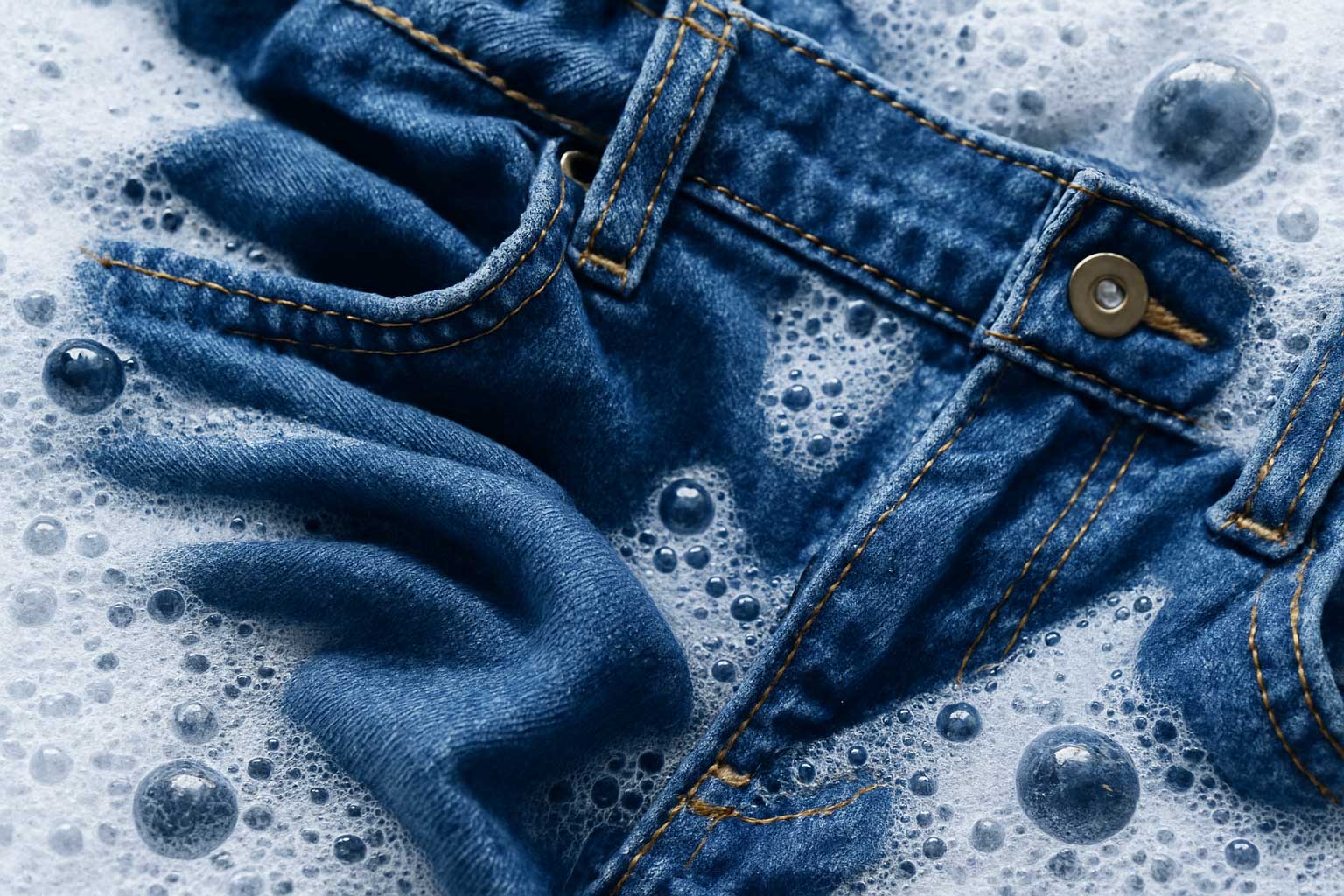
how to wash jeans

Most guys hesitate to throw their favorite pair of jeans in the wash, and for good reason. A single cycle can mean unexpected shrinkage, weird warping at the knees, or faded color that never quite looks right again. You’ve probably heard the old-school advice: “Never wash denim.” While that might keep jeans looking dark and rigid, it’s not exactly realistic if you’re living in them daily. So how do you wash men’s jeans without wrecking the fit you’ve broken in so perfectly?

You don’t need to risk stiffness or saggy knees. With the proper care techniques, ones that don’t require complicated routines or special equipment, you can keep your jeans looking clean, feeling soft, and fitting exactly how you want them. This guide breaks down what actually matters when it comes to cleaning denim: how often to wash, what to avoid, and the safest methods for hand- or machine-washing. You’ll also find tips to prevent fading, keep seams strong, and help your jeans age with style.

Whenever you purchase through links on this page, we make a small commission from Amazon.com and other affiliate partners. Our ultimate goal is to provide our readers with actionable insights and practical tips to improve their daily lives.Learn more

The Truth About How Often to Wash Men’s Jeans

If you’re not sure when it’s time to wash men’s jeans, you’re not alone. Most guys either wash them way too often or not at all. And while the idea of never washing your jeans might sound appealing for convenience, it’s not exactly great for your skin or the fabric. So, how often should you wash men’s jeans? That depends on how you wear them, but there are some easy rules to follow.

Now, if you wear your jeans a few hours a day without breaking a sweat, you can go 5 to 10 wears before washing. However, if they’re starting to smell, feel stiff, or show visible dirt, it’s time. Odor is the clearest sign your jeans need a wash. Dirt buildup and rough texture are also solid clues that bacteria and grime are hanging out longer than they should.

Overwashing, though, is where jeans start to fall apart. Frequent cycles cause fading, shrink seams, and stress the fabric. If you want to keep the fit right and color bold, skip unnecessary loads. You can refresh jeans between washes using a garment spray or by airing them out overnight. If you’re wondering how to clean jeans without washing, try freezing them in a bag for 24 hours. It kills odor-causing bacteria without affecting the fabric.

So when it’s time to wash men’s jeans, make it count. Stick to those visual and scent cues, not the calendar, and your denim will last a lot longer.

Pre-Wash Care: Setting Up for Success

Washing denim starts before the water even touches the fabric. If you want to wash men’s jeans without shrinking, bleeding, or weakening the fibers, the way you prep them makes all the difference. These quick steps help you protect your favorite pair before the cycle begins.

First, always turn your jeans inside out. This small move shields the outer surface, keeping the dye and stitching from taking a beating. It’s essential if you want to wash black jeans without losing color. The inside-out trick also reduces friction with other fabrics during the wash, resulting in fewer fuzz balls and a smoother finish.

Next, zip up all zippers and fasten every button. This prevents snags either on your jeans or other clothes in the load. It also helps keep the waistband and fly area from stretching out in weird ways, and it helps wash jeans with other garments. Only do it with like colors to avoid dye transfer and to prevent towels or heavy items from roughing up the denim.

Cold water is your best friend here. Hot water can cause shrinkage and premature wear. A cold water wash keeps fibers tight, helping your jeans hold their shape through countless wears. It also allows the dye to stay put, especially in darker washes.

Prepping might feel like an extra step, but it’s the easiest way to protect your denim and extend its life without sacrificing how it looks or fits after the wash.

How to Wash Men’s Jeans by Hand

Hand washing might sound old-school, but when it comes to preserving fit and color, this is the safest way to wash men’s jeans. It puts you in complete control, with no harsh cycles, no twisting seams, and no shrink surprises. Plus, it’s easier than you think and works well for high-quality or raw denim.

Start by filling a clean tub or sink with cold water. Add a small amount of mild detergent, preferably one labeled best detergent for jeans or something made for delicates. Swish it around with your hand to mix. Submerge your jeans and gently press them down so they’re thoroughly soaked. Let them sit for 20–30 minutes.

Once soaked, lightly agitate the jeans by moving them around with your hands. Focus on areas like the waistband, knees, and seat where dirt tends to collect. Skip the scrubbing; gentle movements are enough. Drain the water, refill with clean cold water, and rinse the jeans thoroughly. You might need to repeat this once or twice to get all the soap out.

Here’s the part that matters most: never wring or twist the fabric. Doing so can stretch out the waistband, ruin the fit, and cause fading. Instead, press the water out gently or roll the jeans in a towel to absorb moisture. Want to skip detergent altogether? A short cold soak still removes surface oils and odors, making it a smart option if you’re focused on minimal wear.

Hand washing jeans vs machine wash? When your fit matters, the hand wash wins every time. It keeps your denim clean, soft, and shaped just right.

Machine-Washing Jeans Safely

Here’s the controversial part: yes, you can wash men’s jeans in the washing machine without destroying them. But only if you do it the right way. Most damage happens because guys rush the process or toss jeans in like they’re gym socks. A few clever tweaks and you’ll keep the fit, color, and texture right where they should be.

Always start with a gentle cycle and cold water. Hot or aggressive settings can fade the dye quickly, distort the shape, and cause stretch denim to lose its snap. Cold water keeps the fibers tighter and helps prevent shrinkage, especially if you’re washing stretch jeans that need to maintain their bounce.

Want an extra layer of protection? Use a mesh laundry bag or a denim wash bag. These help reduce zipper snags and frayed hems. They also limit friction, so the color doesn’t get dull and seams don’t get pulled out of line. It’s one of the easiest upgrades you can make to extend the life of your denim.

Skip the fabric softener always. It might seem like a good idea for comfort, but it clogs fibers and ruins denim’s natural texture. Over time, it actually weakens elasticity, especially in jeans with any stretch.

So if you’re wondering how to wash jeans in a washing machine without regret, this is it: gentle cycle, cold water, no softener, and a wash bag. Treat your jeans like you want them to last, and they’ll keep that perfect fit for way longer.

The Right Way to Dry and Store Jeans

You’ve made it through the wash without a hitch; now don’t undo all that care during drying. How you handle your jeans post-wash plays a significant role in keeping the fit snug and the fabric feeling right. Air drying isn’t just gentler; it’s the more brilliant move if you want your jeans to last.

First, avoid the dryer. It’s tempting to throw them in, especially when you’re in a rush, but high heat warps fibers, causes stiffness, and can lead to uneven shrinking. That perfect fit around the thighs or waist? It won’t survive the tumble cycle. Air drying wins every time in the air-dry vs tumble-dry jeans debate.

To keep the shape intact, lay your jeans flat on a drying rack or hang them from the waistband using clip hangers. This keeps the seams straight and reduces the chance of wrinkles. Want to avoid hanger marks? Slip a soft cloth under the clips or use hangers with rubber grips.

If you’re drying jeans on a hanger vs flat, both work, but flat drying is ideal for heavier denim to prevent stretching from gravity. Once dry, skip the overpacked drawer. Fold them neatly or hang them up to maintain the silhouette and reduce creases. Hanging works exceptionally well if you wear them often, as it makes grabbing your favorite pair quick and easy.

Learning how to dry jeans without wrinkles or shrinkage is just as important as the wash itself. Handle your denim with care after it’s clean, and you’ll preserve the look and feel that made it your go-to in the first place.

Common Mistakes That Ruin Jeans

Let’s get real: most guys ruin their jeans through avoidable mistakes. You can follow every step on how to wash men’s jeans correctly, but if you slip up here, you’re shortening the life of your denim without even realizing it. Some habits seem harmless but do severe damage over time.

The biggest mistake? Using hot water or harsh detergents. These break down the cotton fibers, zap color, and shrink your jeans in weird places. Stick to cold water and pick a gentle, denim-friendly detergent. Skip anything labeled “ultra” or “deep-cleaning”, they’re too aggressive for fabric meant to age slowly and naturally.

Another denim killer is overwashing. It’s tempting to toss jeans in the wash after a few wears, but the more you do, the faster they fade and stretch. How to keep jeans from shrinking or going stiff? Wash only when they really need it and refresh them in between using sprays or quick cold soaks.

Ignoring care labels is another silent denim destroyer. Not all jeans are the same; raw denim, stretch blends, and selvedge denim each need their own care. Washing raw denim for the first time? You need to be extra careful, or you’ll lose that rich, lived-in character they’re known for. And if you don’t know how to wash selvedge denim properly, you risk puckered seams and uneven wear.

So before you wash men’s jeans, slow down. Avoid shortcuts and read the label. These small habits mean the difference between jeans that last six months and ones that age like your favorite leather boots.

Conclusion

Keeping your denim sharp doesn’t mean babying every pair. When you wash men’s jeans with care and strategy, they stay clean, hold their fit, and age with that perfect broken-in look. Wash less often, only when the signs are unmistakable. Always choose cold water and air-dry every time to avoid warping or shrinkage. Whether you go with hand washing or the gentlest machine cycle, treating your denim with a bit of respect pays off.

The bonus? When you do it right, jeans don’t just last, they get better. The fit stays true, the color fades in all the right places, and the fabric softens without giving up structure. And if you want to make this process even easier, check out a few innovative tools: denim wash bags, detergent made for dark fabrics, and hangers that don’t leave creases.

Once you’ve got your system down, you’ll never wonder how to rewash men’s jeans; you’ll keep enjoying the way they fit, wear after wear.

Should a Guy Pick High-Rise or Low-Rise Jeans


When shopping for denim, few details affect your comfort and appearance as much as jean rise. The term “rise jeans” refers to the distance between the crotch seam and the top of the waistband, a small measurement that makes a big difference in how jeans fit and flatter your frame. The rise determines where your jeans sit on your waist, how balanced your proportions look, and even how confident you feel wearing them.

Some men prefer the snug, supportive feel of a higher-rise, while others lean toward the relaxed, modern vibe of a lower-cut. So, which one should you choose, high-rise or low-rise? This guide explains how to find the right rise for your body type, personal style, and everyday wardrobe.

Whenever you purchase through links on this page, we make a small commission from Amazon.com and other affiliate partners. Our ultimate goal is to provide our readers with actionable insights and practical tips that they can use to improve their daily lives. Learn more

What Is “Rise” in Jeans and Why It Matters

Before choosing between high-rise and low-rise, it’s helpful to understand what “rise jeans” really mean. In denim terms, the rise is the vertical measurement from the crotch seam to the top of the waistband. This distance determines how high your jeans sit on your waist and how they shape your overall silhouette.

There are two main components to consider: front rise and back rise. The front rise affects how jeans sit below or above your belly button, while the back rise controls how comfortably the jeans fit when you sit, bend, or move. A balanced rise ensures comfort, prevents gaping, and gives a more flattering fit from every angle.

Men’s jeans typically come in three rise categories: low-rise, which sits several inches below the navel; mid-rise, which rests just below or at the natural waist; and high-rise, which sits right on or slightly above the navel. Each creates a different visual effect and level of comfort.

For example, low-rise jeans give a casual, laid-back appearance, mid-rise jeans offer everyday balance, and high-rise jeans provide structure and a classic, vintage-inspired fit. Many men refer to a jeans rise chart for men to visualize better where each style sits on the body.

Whether you’re dressing for work or casual wear, understanding the rise helps you pick jeans that not only fit well but also complement your height and body proportions. It’s the foundation of every great-fitting pair.

The Case for High-Rise Jeans

High-rise jeans have been making a steady return, and for good reason. They sit above the natural waist, often near or just above the belly button, providing a structured, balanced appearance that suits many men. For those with shorter legs or a longer torso, high-rise jeans can make a dramatic visual difference by lengthening the legs and creating a taller, leaner impression.

From a comfort standpoint, this rise offers better coverage and support, especially for men with a slight belly. If you’ve ever wondered what high-rise jeans hide, belly fat is your answer. They help smooth the midsection without feeling restrictive, offering both practicality and confidence in everyday wear.

High-rise styles also pair naturally with tucked-in shirts, belts, and structured jackets, giving a clean, vintage-inspired silhouette that nods to classic menswear. Think of icons from old Hollywood or today’s vintage denim fans, they favored this fit for its timeless polish and flattering proportions.

Stylistically, high-rise jeans outfit ideas for men include pairing dark denim with a crisp button-up or a crewneck sweater for a refined weekend look. They can transition easily from casual Friday to dinner out with minimal effort.

While low-rise jeans convey a casual vibe, high-rise jeans convey a more put-together message. They’re ideal if you prefer a tailored aesthetic or want to look polished without sacrificing comfort. Whether you’re dressing up or keeping it classic, this rise offers the best mix of proportion, confidence, and style longevity.

The Case for Low-Rise Jeans

Low-rise jeans sit well below the natural waistline, often resting just above the hips. They first gained popularity for their relaxed, contemporary look, and while they’ve faded in and out of fashion, the low-rise jeans trend comeback shows they still have a place in men’s style. For guys with lean or athletic builds, this rise can highlight muscle tone and create a sleek, modern silhouette.

Low-rise jeans for tall men often work best because they balance a longer torso and maintain a casual proportion from hip to hem. The lower waistband naturally draws the eye downward, making long legs appear more proportional. For athletic or slim body types, this cut gives off an effortless, confident vibe, especially when paired with fitted T-shirts or open shirts layered over tanks.

In terms of styling, the low-rise vs. high-rise fit comes down to attitude. Low-rise jeans are made for relaxed, everyday wear. They pair easily with sneakers, hoodies, or casual boots, making them a go-to choice for weekend or streetwear outfits.

However, they do come with a few cautions. Low-rise jeans can exaggerate shorter legs or emphasize the midsection if you carry weight around the stomach. They also tend to slide when sitting, so a proper fit and quality waistband are essential.

When styled correctly, low-rise jeans can look sharp and modern, just be mindful of proportion. If your goal is a youthful, easygoing look with a bit of edge, low-rise denim delivers exactly that without trying too hard.

Mid-Rise Jeans: The Safe Middle Ground

If you’re unsure where to start, mid-rise jeans are the most forgiving and versatile option for most men. Sitting just below or at the natural waistline, they strike the perfect balance between comfort and modern style. For daily wear, mid-rise jeans provide enough structure to look put-together without feeling too tight or too casual.

This rise works well for nearly all body types. Men of average height or those with balanced proportions often find that mid-rise jeans create the best overall look. They keep your shirt neatly tucked without riding too high, and they prevent that awkward sag that can happen with low-rise styles. The waistband naturally conforms to your body’s shape, allowing you to move and sit comfortably.

In terms of style flexibility, mid-rise jeans are the true all-rounder. You can pair them with button-up shirts, polos, or even a T-shirt and blazer. They transition effortlessly from weekday office wear to casual weekends, making them a reliable go-to in any wardrobe.

If you ever find yourself wondering which rise jeans are most flattering, mid-rise almost always wins. It offers balance, proportion, and ease qualities that make it a timeless favorite. When in doubt, go for rise jeans for men’s fashion that sit mid-waist; they’ll feel comfortable, look natural, and fit seamlessly into nearly every outfit combination you wear.

How to Choose the Right Rise for Your Body Type

Finding the right jean rise starts with understanding your body’s proportions. The best “rise jeans” choice for you depends on the balance between your torso and leg length, as well as your overall build.

Shorter men: A high-rise jean helps visually extend the legs, making you appear taller. By raising the waistband closer to the natural waist, your legs take center stage, and your body looks more proportional. If you’re under 5’9″, this minor adjustment can make a noticeable difference in how your jeans flatter your frame.

Tall or lean men: Both low-rise jeans and mid-rise jeans can work well for tall men. Low-rise designs maintain natural proportions by breaking up a longer torso, while mid-rise styles offer balance if you prefer a more classic fit.

Athletic or muscular builds: The best rise jeans for an athletic build often fall in the mid to low range. These rises allow more room in the thighs and seat while keeping the waistband snug. A high rise can sometimes feel restrictive for muscular legs.

Men with a heavier midsection: A high-rise jean is the most flattering. It provides gentle compression and coverage, sitting above the stomach to prevent the waistband from rolling or pinching.

To simplify your decision, refer to a jeans rise comparison chart that shows where each rise falls on the body. Seeing the visual difference between high, mid, and low rises can help you make a decision faster. Ultimately, selecting the right rise is about finding the right proportion, achieving comfort, and feeling confident when you look in the mirror.

How to Measure Rise and Spot the Difference

Whether you’re shopping online or comparing pairs in-store, knowing how to measure rise helps you pick jeans that truly fit. The rise measurement is simple: lay your jeans flat, then measure from the crotch seam straight up to the top of the waistband. That distance, usually between 8 and 12 inches, tells you the rise. High-rise jeans fall on the upper end, while low-rise jeans measure shorter.

Understanding the difference between front-rise and back-rise jeans is also essential. The back rise is typically higher to provide comfort when you sit and to prevent gaping at the waistband. A well-proportioned back rise ensures coverage and prevents the awkward slide-down feeling that occurs when bending or moving.

One source of confusion for shoppers is labeling. Some brands use terms like “regular,” “classic,” or “modern,” instead of giving exact measurements. This can make comparing fits tricky. Always check the product details or a jeans rise chart for men; if available, it can help translate those marketing terms into real numbers.

Finally, try before you buy when possible. Jeans may share the same rise on paper, but fabric stretch, waistband width, and cut can alter how they feel. Knowing how to measure rise on jeans gives you the upper hand, ensuring you get comfort, balance, and the right look every time.

Styling Tips Based on Rise Choice

Once you’ve figured out your ideal rise, the next step is knowing how to style it with confidence, the right outfit pairing can make any pair of jeans, whether high, mid, or low, look intentional and flattering.

High-rise styling: These jeans look best when you show off the waistband. Try tucking in your shirt and adding a belt for definition. A structured jacket or denim overshirt completes the look. Consider high-rise jeans outfit ideas for men that lean classic and refined, perfect paired with leather boots or loafers for a polished finish.

Mid-rise styling: This is the most adaptable option. You can wear shirts tucked or untucked, depending on the occasion. Pair mid-rise jeans with button-ups, polos, or knit sweaters. When you’re unsure, mid-rise is the safe pick that works with nearly any shoe style, from sneakers to dress boots.

Low-rise styling: Keep it relaxed. Low-rise jeans pair best with T-shirts, Henleys, or hoodies that naturally rest near the waistband. The casual look works great for weekends or laid-back nights out.

If you’re wondering what rise jeans look best with boots, mid and high rises usually pair better since they provide enough coverage for tucking or layering. Remember, jeans rise and torso length work hand in hand. A balanced rise complements your shape, helping you look confident and put-together in every setting.

Conclusion

Choosing the right rise jeans isn’t just about fashion; it’s about how you feel wearing them. The rise affects comfort, proportion, and the overall balance of your outfit. High-rise jeans bring polish and structure, low-rise adds a relaxed edge, and mid-rise offers an easy, dependable fit for everyday wear. The best choice is the one that feels natural, moves comfortably, and complements your body shape. Don’t let trends decide for you, try different rises, look in the mirror, and trust what feels right. When jeans fit your body well, confidence follows effortlessly every time you put them on.


How to Wear Men’s Jeans with Boots: Proportions, Cuffs & Pairing


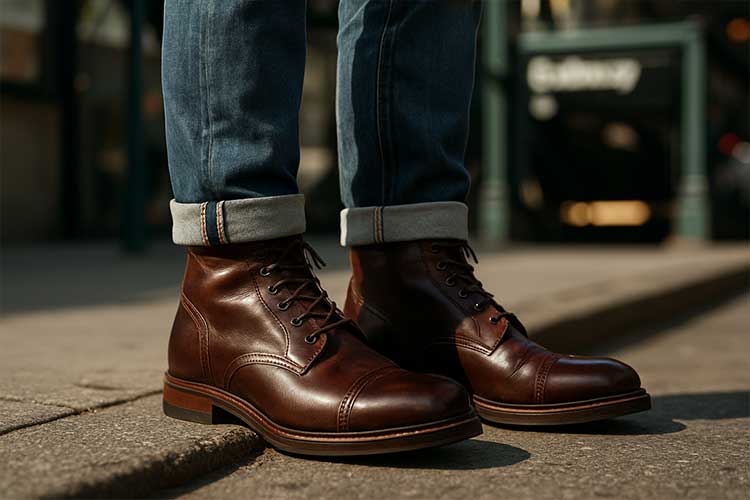
man wearing boots with jeans

Wearing men’s jeans with boots might seem simple: grab your favorite pair and lace up, right? Not so fast. This pairing has the power to make or break your look. When done right, it sharpens your silhouette, adds polish to your casual style, and pulls together rugged or refined outfits with zero effort. But the wrong jean cut, length, or cuff can throw off your proportions and overwhelm your boots.

That’s where a few key guidelines come in. The right fit and hem length, paired with smart cuffing and boot-matching techniques, help you walk that fine line between stylish and sloppy. Whether you’re dressing up sleek Chelseas or stomping around in heritage work boots, this guide breaks down what actually works, no guesswork needed.

You’ll get practical advice on the best jeans to wear with boots men need to know about, how your inseam should fall, what cuffing styles look clean (and which to skip), and how to pair colors and washes with different boot types. Mastering this combo helps you stay sharp from fall through spring, no matter the dress code or boot choice.

Whenever you purchase through links on this page, we make a small commission from Amazon.com and other affiliate partners. Our ultimate goal is to provide our readers with actionable insights and practical tips that they can use to improve their daily lives.Learn more.

Choosing the Right Fit for Your Boots

Wearing the best jeans to wear with boots men actually want to live in starts with picking the right fit. This isn’t just about comfort; it’s about ensuring your boots and jeans work together, rather than against each other. The wrong silhouette can bunch, bulge, or completely hide the shape of your shoes.

Start with fit balance. Slim-fit jeans paired with boots are a great middle ground, streamlined yet not skin-tight. They taper slightly without clinging, letting your boots peek out cleanly without creating a stacked mess. If you prefer more room, straight-leg jeans with boots for men offer a timeless look that rests naturally over most boot shafts. They’re perfect for casual and workwear looks. Somewhere in between, tapered jeans paired with boots give men a tailored vibe, fitting through the thigh and narrowing slightly from the knee down to sit neatly on top of your shoes.

Proportion matters here. Your jeans should rest lightly on the boot without swallowing it or looking stretched. The shaft of the boot shouldn’t push against the fabric or create bulges. If it does, your jeans are too tight. If they cover the entire boot and pool around the ankle, they’re too wide or long.

Now, match the jeans to the boot style. Chelsea boots work best with slim or tapered jeans that stop right at the top of the boot, no puddling. Straight-leg cuts are ideal for chunkier work boots and moc toes, where rugged denim balances the solid profile. For sleeker ankle boots or dressy pairs, a tailored leg keeps things sharp and office-appropriate.

Understanding Length & Break: Getting It Just Right

You can have the right fit, but if your jeans bunch, sag, or flop above your boots, the whole look falls apart. Knowing how jeans should fall on men’s boots is the difference between a sharp silhouette and one that looks unfinished or sloppy. The goal is a clean line from hip to boot, with a slight bend, not a full-on fabric pile.

So, what length jeans should men wear with boots? Aim for a hem that lightly touches the top of the boot or sits just a half inch over it. This creates a subtle “break”, the small fold or bend in the fabric near the ankle. A slight break keeps your jeans looking tailored and pairs well with dressier boots, such as Chelsea boots or zip boots. For rugged lace-ups or heavier styles, a complete break with minimal stacking can add a laid-back, broken-in feel. Avoid letting it get sloppy.

When jeans are too long, they stack excessively or get caught behind the boot. Too short, and you end up flashing socks or ankle skin unintentionally. Use a jeans fit guide for men’s boots as a baseline, but don’t be afraid to take them to a tailor for a custom fit. A quick hem or subtle taper at the ankle ensures they break just right, giving your boots space to shine without the extra fabric stealing the show.

How to Cuff Jeans for Boots (and When Not To)

Learning how to cuff jeans for boots men actually wear is a styling skill worth having. A good cuff shows off your boots, adds texture, and helps adjust jeans that are just a bit too long. But it’s not always the right move, and if done wrong, it can make your outfit look unbalanced or overly styled.

Let’s start with cuffing styles. A single cuff, one clean fold up works well with straight or slim jeans and most boot types, especially when you want a more laid-back look. The double cuff adds height and bulk, making it better suited for thick-soled boots, such as moc toes or work boots. Then there’s the pinroll cuff, a tight, tapered roll that works best with low-profile boots and slim cuts. This one’s trickier but can look sharp if your jeans are slightly wide at the hem.

But here’s the thing: cuffing isn’t always the answer. Tucking jeans into boots usually looks off unless you’re dressing for a specific purpose, such as workwear or hiking. And if your denim is too thick or your shoes are too high, cuffing can create weird bulges or stiff folds. That’s when you’re better off hemming.

Wash matters too. Cuffed jeans paired with men’s boots look more natural in medium to light wash denim, especially when combined with rugged boots. Save your dark wash jeans with boots in a men’s style for uncuffed, clean finishes. This works best for dress boots, where keeping the lines sleek is more critical than showcasing the cuff.

Matching Jeans with Boot Types

Here’s the interesting part: not all boots play nicely with every jean style. Wearing men’s jeans with boots isn’t about throwing on any combo, it’s about pairing the shape and weight of the denim with the right boot design. Get this wrong, and your jeans either swallow the boots or make them look like an afterthought.

Start with Chelsea boots. These sleek, ankle-hugging styles shine when worn with slim or tapered jeans. A clean leg opening allows the boot to sit neatly underneath or just barely peek out, keeping things polished. Avoid wide openings; they ruin Chelsea’s refined shape and make your outfit feel clunky.

Next up: Work boots. Think Red Wings, Timberlands, or classic moc toes. These heavier styles need denim with a bit of substance. Straight-leg jeans or slightly relaxed fits give structure and enough room for the boots to breathe. Slim fits can work, but only if the shaft is short and the denim flexible. When in doubt, thicker jeans in a mid to light wash add to that rugged, worn-in vibe.

For ankle and dress boots, aim for tailored denim in darker washes. The best jeans for men to wear with ankle boots should sit just at the top of the boot, with a slight taper to showcase the sleek silhouette. If the jeans are too long or too wide, the shape of the boot disappears, and the outfit loses its sharpness.

So, whether you’re choosing the best jeans for Chelsea boots or jeans to wear with work boots, men count on daily, it’s all about matching the vibe and the volume of your jeans to the shoes they’re paired with.

Color Coordination: Pairing Denim Washes with Boot Shades

Getting your denim and boot colors to sync can take your outfit from decent to sharp with almost no effort. Knowing how to match jeans color with boots helps you build outfits that feel intentional, not random. It’s not about rules; it’s about pairing tones that work together and knowing when to contrast or coordinate.

Stick to the classics when in doubt. Blue jeans paired with brown boots are a classic and versatile combination, especially in medium or dark washes. Black jeans paired with black boots create a streamlined, urban look that is ideal for city wear or dressier settings. Gray or charcoal denim pairs well with both black and brown boots, making it a good neutral for modern wardrobes.

Don’t forget texture. In men’s denim styles for boots, rougher textures pair better with raw denim or vintage washes. Think suede boots with faded or whiskered jeans it gives off an effortless, rugged feel. On the other hand, smooth leather boots pair best with dark indigo or black jeans, especially when the goal is to achieve a polished look.

Season matters, too. For spring and summer, reach for lighter washes and taupe or sand-colored boots to keep things breezy. Once the weather cools down, switch to rugged jeans and boots look staples: deeper blues, black denim, and richer brown or oxblood boots. It’s a subtle change that keeps your outfits feeling fresh all year long.

Outfit Ideas: How to Style Jeans and Boots for Every Occasion

You’ve got the boots, you’ve got the jeans, now it’s time to pull it all together. With the right pairings, men’s jeans and boots outfit ideas can take you just about anywhere. Whether you’re headed out for a casual day, a smart dinner, or want to clean up your weekend look, these outfit combos make the most of your denim and boot collection.

For a casual weekend, a faded or light-wash jean, a basic tee or flannel, and rugged work boots make a no-fuss trio. Add a rolled cuff and consider a chore coat or utility jacket for a polished yet off-duty look. This is a go-to for guys who love men’s casual outfits with jeans and boots that don’t try too hard.

When you’re aiming for smart casual, it’s all about polish. Go for dark slim jeans, a tucked-in button-down, and Chelsea boots. Layer with a blazer or structured wool jacket, and you’ve got a dinner-ready outfit that’s sleek without being too dressy. It also nails the balance that men often look for in dress boots paired with jeans: sharp yet grounded.

Now for something a little more urban modern. Pair black jeans with minimalist leather or suede boots, a slim-fit tee, and a structured overcoat or bomber jacket. This style leans clean and contemporary, perfect for cooler months and street-ready confidence. This urban jeans and boots style works just as well for nights out as it does for daytime errands, adding an edge.

Common Mistakes (and How to Avoid Them)

Let’s be honest wearing boots with skinny jeans men often try can go south fast. At the same time, it may seem like a modern choice, but jeans that are too tight around the ankle can disrupt the proportions of your entire outfit. The result? Your boots look bulky, your jeans look stretched, and your overall fit feels awkward.

So, how to fix it? Trade the spray-on skinnies for tapered or straight-leg fits. These still give you a clean silhouette but let the boot shaft fit naturally underneath. It’s a small change that makes your entire look feel more balanced and mature.

Another common issue: stacking gone wrong. If you’ve ever seen jeans puddled over boots in big waves of denim, you’ve seen this mistake in action. Too much stacking can disrupt the line of your outfit and make you look shorter. Stick to slight or moderate breaks, and remember that a quick hem can often be the most straightforward fix.

Finally, don’t ignore the season. One of the perks of men’s fall outfits, jeans and boots combinations, is the ability to layer. But when the rest of your outfit doesn’t match the weight of your shoes, the look falls apart. Bring in flannels, denim jackets, or waxed cotton coats to add structure and seasonal context to the outfit, especially when paired with chunky boots. Knowing how to wear jeans over boots in a well-matched men’s style is as much about the rest of the outfit as it is about the footwear.

The Perfect Pairing of Men’s Jeans with Boots

Mastering the art of men’s jeans with boots isn’t about chasing trends; it’s about getting the basics right and wearing them with intention. Fit, proportion, length, and cuffing all work together to shape a cleaner, sharper silhouette that complements any boot style you step into.

Whether you’re going for rugged workwear or a refined city outfit, the right jeans complement your boots and vice versa. From slim cuts with Chelsea boots to relaxed denim with moccasins, it’s about knowing what works and building your look from the ground up.

So next time you lace up or zip up, give your denim some thought. The right combo isn’t just more comfortable, it’s more confident. Try out your best jeans-and-boots pairing and see how easily your wardrobe levels up.

How to Choose Jeans Based on Your Body Shape & Build


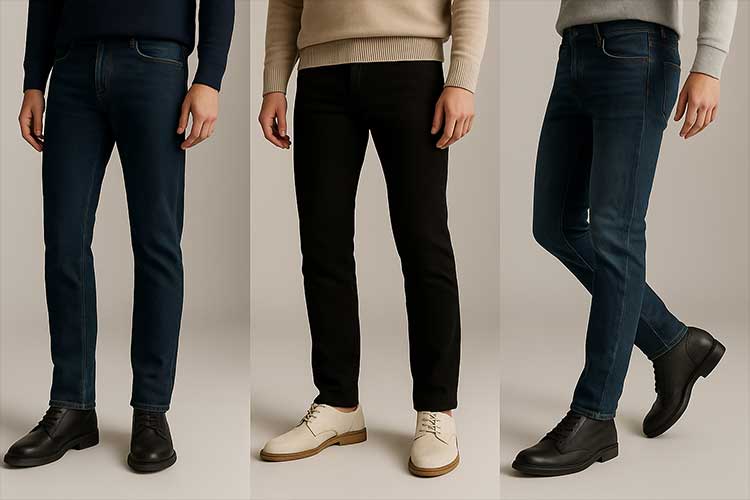
different men jeans outfit

Every man wants jeans that look sharp, feel comfortable, and fit right, but most struggle to find that perfect pair. Too often, you’re either stuck in a dressing room guessing sizes or scrolling endlessly online, hoping a model’s cut matches your own shape. And let’s be honest, one-size-fits-all advice doesn’t cut it.

Here’s the good news: You can skip the guessing game. In this guide, you’ll learn how to choose jeans that complement your build, whether you’re tall, muscular, slim, or broad. We’ll walk through the styles, fits, and denim details that make all the difference.

You’ll understand the impact of rise, leg shape, and stretch so you can stop wasting money on denim that doesn’t work. Instead, walk away with the confidence to shop smarter, dress sharper, and know exactly which jeans are right for you.

Ready to finally find your fit? Let’s get started.

Whenever you purchase through links on this page, we make a small commission from Amazon.com and other affiliate partners. Our ultimate goal is to provide our readers with actionable insights and practical tips that they can use to improve their daily lives.Learn more.

Understand Your Body Shape Before You Buy

Before selecting a style, color, or brand, you need to understand what your frame actually requires from a pair of jeans. This step is often skipped, but it’s the foundation of buying denim that flatters, rather than frustrates. Knowing your body type helps eliminate bad fits and guides you toward the right cuts.

If you’re tall and lean, you’ll want jeans that accentuate your shape without exaggerating your length. Athletic and muscular men need room in the thighs and a waistband that doesn’t gape. Stockier or broader individuals tend to look better in jeans that balance their upper and lower halves. Each build benefits from a different silhouette.

Now here’s why proportion matters: Jeans that are too skinny make lean legs look spindly, while oversized fits can overwhelm your shape. It’s all about balance. The goal is to create a clean, natural line from waist to ankle that aligns with your frame.

Before shopping, grab your tape measure. Focus on waist, inseam, and thigh circumference. These three numbers give you a real-world starting point when browsing size charts or trying on jeans. Brands vary wildly, so your measurements will help you stay consistent.

Understanding how to choose jeans that match your body shape is the first step toward achieving a better fit and minimizing frustration in the fitting room or online shopping cart.

Slim & Lean Builds: Add Structure and Shape

Here’s the truth: most style blogs won’t say skinny jeans are the worst thing a slim guy can wear. They don’t make you look edgy; they highlight how little room you fill out. Instead of doubling down on narrow, you need jeans that bring balance to your frame.

Start with straight-leg or slim-straight jeans. These add just enough structure without clinging to your calves or thighs. A slim-straight fit hugs slightly at the hips and falls cleanly from the knee down, offering a flattering middle ground that adds volume without appearing bulky.

Denim weight matters more than most think. For lean builds, opt for midweight denim (approximately 12–13 oz). It creates a clean drape and holds shape better than soft or ultra-stretchy fabric, which can collapse around slim legs. Avoid jeans that feel like leggings; they won’t do you any favors.

Stay away from extreme tapering. While some taper adds shape, too much emphasizes how narrow your lower half is. If you’re tall and slim, a slight break at the hem helps ground your look and avoids the giraffe-leg effect.

Once you focus on structure, fit, and fabric, jeans stop looking like a last-minute outfit and start working like a style upgrade.

Muscular & Athletic Builds: Focus on Flexibility and Comfort

Buying jeans shouldn’t feel like leg day. Yet for muscular guys, especially those with strong thighs and glutes, that’s often the case. Standard slim or straight cuts squeeze in all the wrong places, while relaxed fits can look sloppy. The sweet spot? Styles made to move with your shape.

Look for athletic-fit jeans or straight-tapered cuts. These offer more room in the seat and thigh, but narrow slightly below the knee, keeping the silhouette clean without strangling your quads. This combo defines without excess fabric.

Next, choose stretch denim. The ideal mix is 98–99% cotton with 1–2% elastane or spandex. That little bit of stretch makes a huge difference. It prevents bunching, eases movement, and avoids the “painted-on” look that happens when the fabric fights your build.

Pay close attention to the rise and waistband. A mid-rise jean will sit comfortably above your hips and help avoid gaping at the back a common issue for men with bigger glutes or a tapered waist. Low-rise jeans can create awkward proportions and ride down when you move.

Stocky or Broad Builds: Streamline Your Look

Here’s the interesting part: most guys with broad frames don’t need bigger jeans; they need better structure. Going up a size might feel more comfortable, but it just adds bulk. The right denim trims you visually and supports your build without squeezing it.

Start with heavier, structured denim. Lightweight jeans tend to cling or sag, which emphasizes width. Heavier fabric holds shape and skims over your frame, offering a more tailored look even in a relaxed fit.

Next, focus on relaxed-straight or tapered fits. Relaxed-straight jeans give you space where you need it, particularly in the hips, thighs, and seat, but fall straight from the knee to the ankle, keeping your base streamlined. If your legs are thick and your shoulders broad, a tapered cut narrows things slightly and pulls your silhouette together.

Now let’s talk color. Dark washes, think deep indigo or black, are your best friend. They create clean lines, hide stress points, and instantly dress up your outfit. Avoid distressed details or aggressive fading; they break up the line and draw attention to areas you might prefer to smooth over.

The right jeans for broad builds aren’t about hiding your frame; they’re about balancing it with innovative structure and sharp styling.

Tall Men: Maintain Proportion with Length and Break

The challenge with tall builds isn’t finding long jeans it’s finding ones that don’t throw your proportions off. When jeans bunch at the ankle or hang too loosely, they stretch you out visually and throw off your look. The solution lies in the details.

Start with the right inseam length. If your jeans stack heavily at the ankle, it shortens your legs visually — ironic, but true. Instead, opt for a single break or a cropped hem that falls just above the shoe. It keeps the line clean and puts the focus back on the overall fit, not the excess fabric.

Choose slim-straight or straight-leg styles. These maintain your natural proportions from hip to ankle without making your legs look too long or too thin. Avoid skinny jeans or super-wide-leg cuts; both extremes tend to throw off visual balance in taller frames.

Color choice also plays a surprising role. Stick with medium to darker washes to ground your look. Lighter denim on tall builds can make your legs seem disproportionately long, especially when paired with lighter tops or shoes.

When your jeans match your height in a way that looks intentional, not accidental, your entire outfit comes together.

Shorter Men: Use Fit and Color to Add Height

Most jeans aren’t made with shorter guys in mind, and hemming alone won’t fix a poor fit. The goal isn’t just to find jeans that “aren’t too long,” but to create a vertical line that adds visual height. With the correct details, denim can subtly lengthen your frame.

Start with slim-tapered fits. These follow the shape of your leg without excess fabric, creating a clean, streamlined profile from hip to ankle. Baggy jeans can visually cut your height, while overly tight ones can make your legs appear shorter.

Next, avoid low-rise jeans. These sit lower on the hips and reduce the appearance of leg length. Instead, opt for a mid-rise it sits at your natural waist and creates the illusion of longer legs. This slight shift makes a big difference in how your proportions appear.

Stick to dark, solid washes with minimal fading. Dark indigo or black jeans draw the eye upward and slim the lower body, making you appear taller and leaner. Heavy fading or whiskering tends to break the line and draw attention exactly where you don’t want it.

You don’t need to “look tall,” just taller. The right jeans stretch your silhouette and work with your proportions, not against them.

Key Details That Define a Perfect Fit

Here’s where most guys go wrong: they focus on waist size and ignore everything else. But great jeans are more than just “fitting at the waist.” To truly work for your shape, you need to consider the rise, waist, fabric blend, and even the pocket placement.

Let’s start with rise. A mid-rise is usually the safest choice for most builds. It sits at your natural waist, supports your core, and flatters your proportions. High-rise can work for longer torsos, but low-rise often shortens the legs and emphasizes the hips.

Next, pay attention to denim wash and fabric. Darker washes, such as black or deep indigo, are consistently the most flattering and versatile, making them easy to dress up or down. Look for a bit of stretch, 1–2% elastane helps jeans move with your body without turning baggy or sagging over time.

Now check the waistband and pocket placement. A snug, gap-free waistband should contour without digging in. Rear pockets should sit mid-cheek; if they are too low, they drag everything down, and if they are too high, they look awkward. Avoid oversized or heavily detailed pockets if you’re aiming for a clean silhouette.

Finally, always test your jeans in motion. Sit, squat, or walk. If they pinch, sag, or shift, move on. The right pair should feel like they were made for you.

Once you understand how to choose jeans with the right fit and details, you’ll shop with confidence and actually enjoy wearing what you buy.

Conclusion

Now that you understand how to choose jeans based on your body shape and build, you have a clear edge not just in fit, but also in confidence. The right pair shouldn’t feel like a compromise or a lucky find. They should feel natural, move with you, and look sharp every time you wear them.

When your jeans suit your build, whether tall, muscular, slim, or stocky, every outfit starts on the right foot. You’ll notice your proportions look more balanced, your top layer better, and your shoes finally look like they belong in the outfit.

Once you know your ideal rise, cut, and fabric, shopping becomes simple. Whether you’re browsing online or checking out racks in-store, you’ll know exactly what to look for — and what to skip.

Next time you’re browsing for denim, use this guide as your reference for how to choose jeans that look and feel right for you. That perfect pair? You’ll spot it quicker than ever.