Welcome to Menstopspot

Recent Posts

How to Cuff Men’s Jeans: Single, Double & Deep Styles Explained


man wearing cuff jeans

Cuffing your jeans isn’t just a throwback move; it’s one of the quickest ways to dial in your personal style without buying anything new. Whether you’re showcasing a sharp pair of boots or giving your kicks the spotlight, the right cuff instantly adds structure, character, and purpose to your outfit. Different cuffs can completely shift the vibe of your jeans, from laid-back streetwear to clean-cut casual.

The trick is knowing how to cuff men’s jeans based on your fit and the type of footwear you’re wearing. A single fold suits sneakers and slim jeans, while a bold, deep cuff speaks to raw denim lovers and rugged boot wearers. With just a few turns of fabric, you can control the silhouette, proportions, and attitude of your look.

Most importantly, the confidence to cuff comes from understanding when and why to do it. Whether you’re experimenting for the first time or refining your go-to style, this guide has you covered. Let’s break down how to cuff men’s jeans so you can get that polished edge — no tailor required.

Whenever you purchase through links on this page, we make a small commission from Amazon.com and other affiliate partners. Our ultimate goal is to provide our readers with actionable insights and practical tips that they can use to improve their daily lives.Learn more.

What Does It Mean to Cuff Men’s Jeans?

Cuffing men’s jeans is one of the easiest styling tricks in the book, and one of the most overlooked. When done right, it can balance your proportions, frame your footwear, and add just the right amount of polish. However, not all cuffs are created equal, and understanding the basics is crucial to wearing them confidently.

At its core, cuffing men’s jeans means folding the hem upward to expose the inside of the denim. It’s not the same as rolling, which often looks looser and more spontaneous, or hemming, which permanently shortens your jeans. Cuffing is temporary and adjustable, giving you control over your look and the ability to adapt to different shoes and styles on the fly.

Historically, cuffed denim started as a necessity. Before pre-shrunk jeans hit the market, men folded up the legs to avoid walking on excess fabric. Over time, this habit persisted and evolved into a style move, particularly among denim purists and streetwear enthusiasts.

So when should you cuff? Start with jeans that are slightly too long or have a clean hem — raw denim and slim or straight fits work best. Avoid cuffing if your jeans are already cropped or have a raw, frayed edge. Think of cuffing as a styling tool, not a fix-it hack.

The Single Cuff: Clean and Casual

The single cuff is the easiest entry point into cuffing, simple, subtle, and sharp. This one-fold style provides a clean break at the ankle, showcasing just a hint of the hem while maintaining a polished look. If you’re figuring out how to cuff slim-fit jeans, this is where to start.

This cuff works best with slim-fit and straight-leg jeans, the kind that taper slightly but don’t hug your calves. A single cuff adds structure without bulk, helping you fine-tune your inseam while keeping the lines clean. Avoid doing this with overly tight skinny jeans; they’ll bunch and make the fold look forced.

Pair the single cuff with sneakers to highlight your kicks without swallowing them up in denim. White leather trainers, canvas low-tops, and even classic runners pop more when there’s a little ankle room. For a preppy twist, consider swapping in loafers or low-cut boots, such as Chelsea boots or desert boots. The exposed hem draws the eye, but doesn’t scream for attention.

Now, here’s where many guys go wrong the cuff width. Keep it between ¾” and 1¼” for balance. Too thin and it disappears; too wide and it looks clumsy. This is one of the best cuff styles for men’s jeans when you’re aiming for a relaxed, stylish look without trying too hard.

The Double Cuff: Balanced and Classic

If the single cuff feels a little too subtle, the double cuff is your next move. Neat, symmetrical, and just bold enough, it creates a crisp frame around your ankles without going full lumberjack. Learning how to double cuff men’s jeans is especially useful when working with thicker denim or when your jeans are a bit too long.

The double cuff consists of two equal-sized folds at the hem, each stacked neatly to create a firm break. It works particularly well with selvedge jeans, where the inside seams are intentionally visible. The double fold keeps the selvedge line visible while maintaining its shape throughout the day, a favorite trick among raw denim enthusiasts.

So when should you reach for this style? It’s perfect for mid-weight to heavy jeans that don’t drape easily and need a bit of structure. Try it with straight-leg or relaxed tapered fits, especially those with a slightly longer inseam. As for footwear, chunkier sneakers, chukka boots, and even Derbies complement this cuff without getting swallowed up.

This cuff also suits a range of social settings, from casual Fridays at the office to denim date nights, where you want to keep things cool yet tidy. It’s a go-to when you need just a little extra effort.

The Deep Cuff: Bold and Statement-Making

Here’s the part where some guys flinch, but the brave ones stand out. The deep cuff isn’t for playing it safe. It’s wide, deliberate, and demands attention. If you’re wearing jeans with character, think raw denim, heavyweight selvedge, or anything with a thick weave — this is the cuff that carries weight, literally and visually.

This style usually involves turning the hem up 2 to 3 inches in a single, bold fold. It adds instant edge and makes a strong style play, especially when paired with rugged boots. So, if you’re wondering about cuffing jeans for boots, the deep cuff was made for this purpose. It bridges the gap between utility and style, think Red Wings, Vibergs, or any boot that deserves to be seen.

However, proportions matter here. A deep cuff shortens the leg line visually. If you’re on the shorter side or wearing relaxed-fit jeans, it can compress your silhouette. To fix that, aim for a higher rise on the jeans or balance the look with a cropped jacket — that helps keep things looking intentional, not sloppy.

Curious how to make jeans look shorter on purpose? This cuff does precisely that — great for guys with longer legs who want to break up the vertical line. Just don’t pair deep cuffs with cropped denim; the fold eats too much fabric and leaves the overall fit looking awkward.

Matching Your Cuff Style to Footwear and Fit

Different shoes require different cuffs, and getting the combination right can make or break the look. Whether you’re lacing up boots or stepping into loafers, how to cuff jeans for different shoes depends on both your denim’s cut and the shoe’s shape. The cuff should complement, not compete.

Start with sneakers, especially low-tops. Stick with a single cuff or slim double cuff that lands just at or slightly above the ankle. It creates a clean line that showcases the shoe without overwhelming it in denim. This works exceptionally well when cuffing jeans with high tops, too — but make the cuff taller, around 1½ inches, to give those sneakers breathing room without bunching.

Now for loafers and dressier slip-ons. This is where proportion matters most. You want a small, even cuff — around ¾” — that maintains a polished, men’s style cuff jeans with a loafers look. Pair this with slim or tailored jeans that don’t taper too aggressively, and your cuffs will feel intentional, not accidental.

Boots are a different beast. From Chelsea boots to combat styles, the goal is to show just enough of the shaft without overwhelming the shoe. When cuffing jeans for boots, men should often opt for a double or deep cuff, depending on the weight of the denim. Heavier jeans hold thicker cuffs better, while lighter jeans pair well with slimmer boots and moderate folds.

Style Scenarios: When to Cuff (and When Not To)

Let’s clear something up, cuffing isn’t mandatory. Just because your jeans allow for it doesn’t mean you should do it every time. The difference between a sharp cuff and a sloppy one often comes down to the context. That’s why understanding the distinction between casual cuff and dress cuff jeans makes all the difference.

Cuffing shines on casual weekends, coffee dates, brunch with friends, or anytime you’re going for effort without trying. It pairs beautifully with vintage-inspired denim, sneakers, loafers, or rugged boots. These are the moments where a cuff adds depth, intention, and structure to your outfit.

But when should you not cuff? Start with formal settings, especially when wearing dressier jeans or pairing them with oxfords or brogues. A cuff can feel out of place in situations where a cleaner hem is expected. Also, skip cuffing if the jeans are already cropped or sit just above the ankle, as folding them up any further breaks the proportion.

Raw hem jeans? Leave them alone. Folding that frayed edge creates unnecessary bulk and loses the edgy, unfinished vibe that makes raw hems interesting in the first place.

Now, let’s talk about one of the biggest mistakes when cuffing jeans: inconsistent sizing. Uneven folds make the whole outfit look rushed. Another? Over-cuffing, rolling up too many times, or wearing them too high, especially with tapered jeans, can make ankles look pinched. If you’re wondering how to cuff jeans without looking sloppy, keep the cuffs even, low-profile, and appropriate to the shoe.

Expert Tips for a Sharp Finish

If your cuffs look messy, the rest of your outfit can’t save you. Clean, even folds take your jeans from average to intentional in seconds. So if you’re wondering how to cuff jeans for a clean look, these are the details that separate well-dressed guys from the rest.

Start by measuring your cuff width. Use your fingers as a guide; most men achieve the best results with cuffs between ¾” and 1½”, depending on the shoe type and denim thickness. Consistency is key. If one cuff is higher or wider than the other, it throws everything off — especially with slim jeans or cropped jackets.

Steam or press your cuffs for sharper, more defined lines. This sounds like overkill, but a quick press with an iron or handheld steamer flattens the fold and helps it stay crisp. Especially useful for business casual looks, where jeans are standing in for slacks and you want the polish without the stiffness.

Pick your denim wisely. Raw and selvedge hold cuffs beautifully, but if you’re working with softer or stretchy jeans, your folds might sag or unroll throughout the day. A subtle hack? Use a hidden safety pin or fabric tape on the inside of each cuff — it’ll keep them in place without showing.

Pay attention to current cues too. The cuffing jeans trend 2025 leans into slightly wider, cleaner cuffs no messy rolls or stacked ankles. Crisp lines, intentional widths, and proportioned folds are what style-forward guys are leaning into now.

Conclusion

Mastering how to cuff men’s jeans provides a practical way to elevate your style, without the need for a tailor or new denim. Each cuff style brings a distinct vibe to the table, whether you’re keeping it casual with sneakers or dressing up for a smart-casual night out. With the right folds, you shape the whole feel of your outfit, cleaner lines, better proportions, and standout footwear.

Think of cuffing as one more tool to customize your fit. Whether you go with a single, double, or bold deep cuff, it’s all about experimenting and owning your look. Try out each style, see what clicks with your favorite shoes and jeans, and find the one that feels most like you.

So next time you’re getting dressed, don’t just throw on your jeans, cuff them, and give them that extra bit of character.
When to Wear Black Jeans: Smart Casual & Date Night Rules


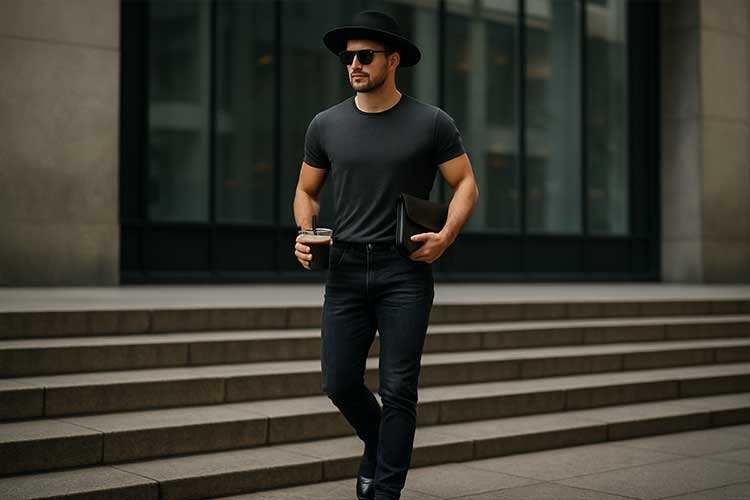
man in black jeans

Few wardrobe staples work as hard or as quietly as black jeans. Whether you’re dressing for a relaxed weekend or a low-key dinner date, knowing how to wear black jeans the right way can give your outfits a sharp edge without much effort. Their versatility is unmatched: they pair just as easily with sneakers and tees as they do with boots and blazers.

What sets them apart is how seamlessly they move from casual to smart casual when styled correctly. That’s why every guy should know when and how to put them to work.

In this guide, you’ll learn how to style black jeans confidently across different settings, from the office to nights out, and pick up smart tips along the way.

Why Black Jeans Are a Style Essential

Black jeans have a way of working overtime in your wardrobe without ever making a fuss. If you’ve been wondering whether it’s time to wear black jeans more often, the answer is yes; they offer one of the most effortless style wins. These jeans carry a sleek, slightly edgy look that never feels overdone. Unlike trend-driven denim, black jeans stay sharp year-round, blending with nearly anything you throw at them.

Here’s why they’re a keeper: the neutral color flatters all body types, visually slims the silhouette, and works across decades, whether you’re 25 or 55. You can dress them up with a blazer or pare them back with a hoodie. That kind of flexibility makes outfit planning much simpler, especially for travel or when you’re heading straight from a casual day out to a smart evening dinner.

When you’re hunting for black jeans outfit ideas for men, the options feel endless. A crisp Oxford shirt or slim turtleneck pulls the look together with ease. But it’s fair to ask: are black jeans formal or casual? The truth lies in the styling. Alone, they lean casually. Add structured layers or polished shoes, and you’re quickly in smart casual territory.

So when you wear black jeans, you’re choosing simplicity that never looks basic, and that’s a smart move.

When You Should Wear Black Jeans (Smart Casual Rules)

Here’s the interesting part: black jeans aren’t just for weekends or band tees. With the right pair, you can easily blur the line between relaxed and refined. Knowing when to wear black jeans casually or step it up for a smart-casual outfit is where the authentic style payoff occurs.

Start with the office. Casual Fridays or creative workspaces often allow for denim, and black jeans are a safe bet. Opt for a slim or tapered fit in a dark, uniform wash — no rips, no fading. Pair them with a crisp button-down or a merino sweater, and add a blazer if your office has a dressy atmosphere. This is precisely how you can wear black jeans to work without breaking the code.

For weekends, black jeans are a go-to choice. Heading to brunch or running errands? Swap in a plain white tee or Henley, a denim jacket or overshirt, and clean white sneakers. The black base keeps it sharp, even when the rest of the design is low-effort. That’s how you stay casual from slipping into sloppy.

Evenings call for something slightly elevated, and here’s where black jeans truly shine. If you’re out for dinner, drinks, or a gallery event, try a black-on-black look with a fitted knit or shirt jacket. Add leather Chelsea boots, and you’ve nailed the smart casual outfit with black jeans.

So the next time you’re unsure whether jeans are appropriate, check the setting. Chances are, black denim will fit right in if styled with just the right amount of structure.

Black Jeans for Date Night: Confident, Clean, and Effortless

Let’s be honest — your date outfit says more than you think. Wearing black jeans on a date is one of the easiest ways to show you’ve got style without trying too hard. They strike a balance between polished and laid-back, which is precisely the tone you want for a night out.

So when do they work? Most date settings are perfect for black denim. Think dinner at a modern bistro, rooftop drinks, a cozy wine bar, or even a live show. The trick is pairing them with elevated pieces that show intent — not just whatever was clean that day.

Start with fit. Slim or straight-cut black jeans with minimal fading are your best bet. Then build your outfit around them. For casual dinners, opt for a soft button-up or a slim polo, layer it with a bomber or suede jacket, and complete the look with leather sneakers or boots. For something slightly more upscale, opt for a monochrome look with a black turtleneck and a structured coat it’s sleek, stylish, and makes a statement.

Curious about what to wear with black jeans for date night? Avoid loud graphics or overly trendy layers. Instead, lean into clean lines and neutral tones. Confidence comes from comfort, so don’t force a look that feels unnatural.

Most importantly, steer clear of worn-out or faded jeans. Nothing undercuts a good outfit faster than denim that’s lost its sharpness. Black jeans outfit men innovative casual styles work best when your denim looks fresh so keep them crisp, dark, and well-fitted.

Pairing Colors and Fabrics with Black Jeans

Here’s where most guys slip up: they pair their black jeans with the wrong colors or textures, and the whole outfit falls flat. Done right, black denim becomes the perfect canvas. It anchors your look while giving other pieces room to stand out. Let’s discuss how to pair it with confidence.

Start with classic contrasts. A black jeans outfit with a white shirt? Always sharp. That clean break in color draws the eye and creates instant polish. Grey works just as well whether it’s a soft crewneck or a charcoal overshirt; the balance between light and dark keeps things modern. For cooler days, try a camel or tan jacket, which adds warmth and depth without overpowering the jeans.

Texture makes a difference, especially in fall or winter. Black denim pairs beautifully with heavier fabrics. Wool coats, suede bombers, and leather jackets all bring richness to the look. These layers add visual interest and keep the outfit from feeling flat. Don’t be afraid to experiment, keep the fit tailored.

Wondering what color shirt goes with black jeans beyond white and grey? Earth tones, such as olive, burgundy, and navy, all complement black without clashing. When considering what color jacket pairs well with black jeans, opt for neutrals — they’re both safe and stylish.

One tip: avoid layering too many dark tones without contrast. Head-to-toe black can work, but only if textures vary. Otherwise, you risk looking like you threw on a uniform. Keep the balance, and your black jeans will carry any look.

Footwear That Works with Black Jeans

Footwear can make or break your black jeans outfit. The right shoes will sharpen your look, while the wrong ones throw off the entire vibe. Once you’ve locked in your jeans, your shoes are the next most crucial call — and luckily, black denim plays well with nearly every style.

For casual days, white sneakers are the gold standard. They pop against the dark jeans, bringing a clean, crisp feel that works year-round. Low-profile styles, such as leather or canvas sneakers, are best — avoid bulky soles that overwhelm the slim shape of the jeans. Slip-on loafers also work if you want something casual but a bit more refined.

When aiming for a bright casual look, leather Chelsea boots are the go-to choice. Whether black or brown, they add a dressed-up edge to the outfit. Want something more rugged? A slim lace-up boot in dark brown or oxblood pairs perfectly, adding just the right amount of structure. This is how to wear black jeans with boots that feel intentional, not clunky.

Color matters too. Stick with neutral tones such as white, black, grey, or tan, and keep your shoes in good condition. If you’re wondering what color shoes go with black jeans, the answer lies in subtle contrast. Bright, neon kicks or oversized trainers are best reserved for gym days. The goal here is to achieve balance and sharp lines, and the proper footwear helps keep your black jeans looking intentional and well-styled.

When Not to Wear Black Jeans

Black jeans do a lot of heavy lifting, but there are times when they’re not the right call — and knowing when to skip them keeps your look sharp and setting-appropriate.

Formal events are the biggest no-go. Weddings, job interviews, and black-tie functions all call for trousers or suiting — not denim. Even the darkest, cleanest pair of black jeans can’t match the polish of tailored dress pants. So if you’re wondering, can you wear black jeans in the office? The answer depends entirely on the dress code. Creative or relaxed workplaces? Sure. Traditional corporate settings? Leave them at home.

Another time to hold back is when your jeans are past their prime. If they’ve faded to charcoal, lost their shape, or show frayed seams, they’ll drag your whole outfit down. Black denim needs to look fresh to do its job well.

One last point in peak summer heat, black jeans can feel stifling. If you must wear them, opt for lightweight denim or blends that offer stretch and breathability. That’s how to wear black jeans in summer without overheating or looking uncomfortable.

How to Dress Up or Down Black Jeans

Black jeans are your style chameleon; they shift from dressed-up to laid-back with just a few changes. Once you know how to work them both ways, you’ll get even more mileage from a single pair.

To dress them up, it’s all about structure and polish. Start with a button-up shirt or a lightweight knit, then layer it with a blazer or a tailored jacket. This instantly upgrades the outfit and works for client lunches, gallery openings, or a sharp dinner date. Dark leather boots or minimalist dress sneakers pull it all together. If you need ideas, black jeans and blazer outfit ideas can include a navy sport coat with a crisp white tee or a charcoal blazer with a black turtleneck, both solid moves.

For a more relaxed look, tone it all down. Swap the blazer for an open overshirt or hoodie, and opt for canvas sneakers or slip-ons instead. Stick to neutral colors and clean lines to keep the outfit from feeling messy. That’s how you go from smart casual to effortless cool in under five minutes.

Want even more versatility? Keep a few essentials on hand, such as a solid belt, sunglasses, or clean sneakers, so you’re ready to adapt on the fly. Knowing how to dress up black jeans makes them a year-round player, and when you wear black jeans right, you’ll always have a base you can count on.

Conclusion

There’s a reason black jeans have earned their spot in every well-dressed man’s closet. They work harder than almost any other piece — clean enough to dress up, relaxed enough to keep things casual. The secret isn’t just owning a pair, it’s knowing how and when to wear black jeans with confidence.

From smart casual offices to laid-back weekends and stylish date nights, they adapt to nearly any setting. Just stay sharp with fit, fabric, and finish. A dark, structured pair opens more doors than most trends ever will.

If you haven’t already, invest in a high-quality pair that fits perfectly. You’ll wear black jeans more often than you think and with better results every time.

How to Fade Men’s Jeans: Step-by-Step for a Natural Look


faded mens jeans

There’s something undeniably cool about a pair of jeans that looks like it’s lived a life. When you fade men’s jeans naturally, you’re not just softening fabric; you’re creating a personal history with every crease and shadow. Unlike the uniform fades stamped out by fast fashion brands, a real, worn-in fade reflects your routine, your movement, your lifestyle.

Men love this because no two fades are ever exactly alike. Each pair becomes a signature. Whiskers at the hip, honeycombs behind the knees, and thigh fades all develop over time, mapping out your daily habits. And while chemical distressing may look the part, it rarely holds up in character or comfort.

This guide walks you through how to achieve that broken-in, lived-in denim look yourself. From understanding how fading works to safe, natural DIY techniques that respect the integrity of your jeans, every step is designed to help you wear them into perfection.

Why Denim Fades

To fade men’s jeans with authenticity, you need to know why fading happens in the first place. Most denim, especially raw or unwashed, is dyed with indigo, a dye that adheres to the surface of the fabric rather than penetrating all the way through. That means every time you move, sit, walk, or wash your jeans, small amounts of dye rub off, gradually revealing the lighter cotton underneath.

Now here’s the interesting part: the way your jeans fade depends on how you wear them. Natural fading occurs due to consistent wear over time, as creases develop at the hips, behind the knees, and along the thighs, resulting from the fabric softening and bending in those areas. This leads to fade marks known as whiskers (hip creases), honeycombs (behind the knees), and stack fades near the ankles. These aren’t random; they’re like a topographic map of your movement.

In comparison, artificial fading techniques such as chemical bleaching or pre-faded store-bought denim tend to appear uniform and lifeless. The distressing is often too perfect, missing the nuanced contrast and organic texture that natural fades develop over months or years. That’s why raw denim fans swear by breaking jeans in yourself; it gives your denim personality you can’t fake.

Choosing the Right Jeans for the Perfect Fade

Most guys never achieve the fade they want because they start with the wrong jeans. If you wish for bold contrast, whiskers that pop, and a worn-in look that turns heads, fast fashion denim won’t suffice. The best jeans fading techniques only work on the proper foundation, raw, heavy, quality denim built to wear in, not wear out.

Start with raw or unwashed denim. These jeans haven’t been pre-faded or chemically treated, so the indigo dye is still fully intact. That’s what makes them ideal for a proper DIY fade. You’ll see every mark develop based on how you wear them. Unlike pre-distressed pairs, raw denim tells your story, not the factory’s.

Next, pay attention to weight and weave. A heavier denim, typically between 13 and 16 oz, produces stronger contrasts and takes longer to break in, which rewards you with deeper, more defined fade lines. Lighter denim will fade faster but won’t show the same level of character or depth.

If you’re serious about denim, look for selvedge denim. It’s often woven on vintage shuttle looms, giving you a tighter, more durable fabric that fades beautifully over time. Additionally, the clean selvedge edge is a sign that you’ve invested in a pair built for long-term wear and severe DIY fading.

Prepping Your Jeans Before Fading

Before you start fading your jeans, there’s a crucial prep phase most people skip, and that’s where early mistakes show up later. To achieve even fading and prevent patchy spots or stiff fades, proper preparation is non-negotiable.

First, wash your new jeans once before wearing them regularly. Use cold water and a mild, denim-safe detergent. This removes excess starch and factory residue that can interfere with the fading process. Avoid any detergent with brighteners or harsh cleaners, especially if you’re using the best detergent for fading jeans. You want the dye to wear away naturally, not chemically stripped.

Skip the dryer. Tumble drying can prematurely set the dye into the fibers, making it harder for high-contrast fades to form. Instead, hang them to air dry, preferably in a shaded space, to prevent accidental sun fades before you’re ready.

Now comes the patience part. Wear your jeans 30 to 60 times before attempting any aggressive fading methods. This break-in period softens the fabric and helps the denim mold to your body. During this time, your natural whiskers, thigh fades, and honeycombs will begin to develop, creating a blueprint for the fading process.

Treat this stage like seasoning a cast-iron skillet. The more love and time you put into them, the better your jeans will look in the long run.

Natural Fading Methods That Actually Work

Here’s the truth: you don’t need bleach or a washing machine on overdrive to get that worn-in, high-contrast denim look. Some of the best fades come from simple, natural methods that protect your jeans and the planet. If you’re serious about learning how to fade jeans without bleach or harsh chemicals, these techniques are the real deal.

Sun Fading
Let nature do the heavy lifting. To fade jeans in the sun, hang them outside in indirect light for several hours a day. Turn them regularly to prevent uneven exposure or strong lines. Over the course of a few weeks, you’ll start to see a soft, even fade perfect for those who want a subtle wash without damage. Pro tip: stretch the jeans flat or hang them from the waistband for better control over shape and fade consistency.

Salt and Vinegar Soak
If you’re after a more pronounced fade, try a salt and vinegar soak. Fill a tub with lukewarm water, add 1 cup of salt, and 1/2 cup of white vinegar. Let the jeans soak for 4–6 hours, agitating them every hour. This mixture gently pulls indigo from the fabric without breaking down the cotton. It’s slow, safe, and sustainable. Rinse and hang dry, no heat, no rush.

Wear-to-Fade
The most authentic method? Just wear them. Biking, walking, squatting, and stretching create pressure in high-friction zones perfect for building those coveted whiskers and honeycombs. The more you move, the more your jeans fade to fit your lifestyle. It’s low-effort, high-reward, and it gives you fades that feel earned, not faked.

Natural fading takes time, but the results speak for themselves. And if you’re looking for denim-friendly tools to help, like raw denim care kits or eco-safe detergents, this is the stage where those make the most significant difference.


Accelerated Fading Techniques (Use With Caution)

Fast fades might sound tempting, but here’s the catch: aggressive techniques can backfire. If you rush the process, you risk brittle denim, blown-out knees, or fades that look forced instead of lived-in. The insight most guys miss? Good fades aren’t just about removing dye; they’re about revealing the wear. That’s why even “quick” methods should mimic natural use, not overwrite it.

Washing Machine Fades
To fade jeans quickly without completely ruining them, try several short, cold water wash cycles with no detergent and no heat. This loosens dye more gently than bleach and can help soften up rigid raw denim. To speed things up slightly, toss in a few old tennis balls to agitate the fabric.

Pumice Stone or Sandpaper
Want to speed up whiskers or thigh fades? A pumice stone or fine sandpaper can help, but only in moderation. Rub lightly along areas that naturally crease, such as the thighs, knees, and back pockets. Overdoing it creates thin, weak spots that will tear before they look cool. Start slow and blend the edges for a believable look.

Diluted Bleach Spray
If you’re confident and want a high-contrast look, a diluted bleach spray (1 part bleach to 10 parts water) applied with a misting bottle can dramatically lighten dark denim. Always test on a hidden seam first. Follow with a vinegar soak to neutralize the bleach and halt the fading. Never soak the entire pair; target areas only.

Fast methods can be helpful, but they also carry risks. The best way to fade jeans fast is still to focus on high-friction areas, keep your tools gentle, and remember: no technique beats time and consistent wear.

Maintaining the Perfect Faded Look

Once your jeans have that rich, worn-in look, the last thing you want is to wash all that character down the drain. Knowing how to fade jeans without damaging them starts with maintenance. Fading isn’t a one-time project; it’s a slow build that rewards care and restraint.

Wash Less Often
Frequent washing is the fastest way to dull your hard-earned fades. Unless your jeans are visibly dirty or have a strong odor, skip the machine. Instead, spot clean with a damp cloth or use a garment spray between wears. Washing less often helps your fades last longer and look sharper.

Use Gentle Detergents
When washing, use cold water and a gentle detergent specifically designed for denim, avoiding bleach, brighteners, and fabric softeners. These strip the indigo unevenly and can break down the cotton. Turn your jeans inside out before washing and always air-dry to preserve their color and texture.

Reapply Wear
The more you wear them, the more the fade evolves. Keep bending, biking, and living in your jeans to deepen whiskers and thigh fades. Rotate less-worn pairs into your wardrobe, but always come back to your fade project to keep the look fresh and natural.

Mistakes to avoid? Don’t iron, don’t use high heat, and don’t fold them in ways that create unwanted creases. Tools like denim brushes, padded hangers, and non-toxic refresh sprays can help keep your jeans soft and looking lived-in without compromising the fade.

How to Fade Black Jeans to Grey (and Still Look Stylish)

Fading black denim is a different game. Unlike blue jeans, which fade to white and light blue, black jeans move through charcoal and slate tones. But here’s the trick: if you fade black jeans too quickly, they can turn blotchy, greenish, or just plain dull. A slower, more intentional method keeps things stylish while giving you that worn-in grey finish.

Start with Warm Water Soaks
Skip bleach altogether; black dye tends to react poorly and often fades unevenly. Instead, begin with a warm water soak (no detergent) for an hour or two. This gently lifts excess dye and softens the fabric without shocking it. Rinse and air dry. Repeat after every few wears to encourage gradual fading.

Use Lemon Juice or Hydrogen Peroxide
For targeted fading, dab lemon juice or a diluted hydrogen peroxide solution (approximately 1:3 with water) on areas where you want lighter tones, such as the thighs or knees. Leave the jeans in indirect sunlight while the solution works, then rinse and dry. This gives a subtle stone-washed effect without heavy contrast.

Keep the Look Sharp
Once your black jeans reach a washed-grey tone, they become one of the most versatile pieces in your closet. Pair them with neutral T-shirts, classic denim jackets, or white leather sneakers for an effortless, monochrome look. Avoid using too much color, as it can distract from the clean, worn texture that faded black denim brings to your outfit.

If you’re fading black jeans for a worn look, patience is still your best tool. The correct method keeps them soft, stylish, and timeless, never cheap or overly distressed.

 Conclusion

If you want jeans that tell your story, skip the shortcuts and choose patience over peroxide. To fade men’s jeans the right way, it’s all about steady wear, competent care, and natural methods that protect the fabric while letting the character come through. Whether you’re softening raw indigo or greying out black denim, the best fades come from thoughtful effort, not aggressive tricks. Stick with denim-safe tools, skip the harsh chemicals, and trust the process. You’ll end up with a pair of jeans that look like no one else’s, and that’s precisely the point.

Slim vs Skinny Jeans: What’s the Real Difference for Men?


man in skinny jeans

Skinny jeans have been a mainstay in men’s fashion for over a decade, but that doesn’t mean everyone understands what sets them apart from their close cousin: slim jeans. As styles continue to evolve, more men are left scratching their heads, wondering which fit actually suits them best. Should you go for the snug, body-hugging skinny? Or stick with the more forgiving slim cut?

Both styles dominate modern wardrobes, yet choosing the wrong fit can disrupt your entire look and compromise your comfort. Whether you’re shopping for a night out, daily wear, or something in between, understanding the difference between the two can save you time and frustration. In this guide, you’ll get a clear, practical breakdown of skinny jeans, how they differ from slim fits, and which ones actually flatter your build. Style tips and buying advice included.

The Key Difference Between Slim and Skinny Jeans

Ask most guys the difference between slim and skinny jeans, and you’ll likely get a vague shrug. But here’s the real deal: while they may seem similar on the rack, they fit very differently once you pull them on. Understanding that distinction is the key to finding jeans that look good and feel right.

Slim jeans are cut to follow the natural line of your legs without clinging too tightly. They taper from the hips down to the ankle, offering a tailored silhouette that’s snug but not restrictive. Think of them as the modern man’s upgrade to the classic straight leg, clean, sharp, and versatile. The leg opening is narrow, but it leaves room to breathe and move comfortably throughout the day.

Skinny jeans, on the other hand, take that taper to the next level. They hug your thighs, knees, calves, and even your ankles. The fit is designed to sit close to the waist and hem, creating a more fitted silhouette. Many styles incorporate a percentage of elastane or spandex, providing the jeans with enough stretch to move with your body without losing their shape.

So why does this matter? Fit defines the vibe. Slim jeans are a lean, casual-cool choice, often worn in business-casual settings or paired with boots for a dressed-up look. Skinny jeans bring a more style-forward edge ideal for statement outfits, streetwear looks, or nights out where you’re going for impact. The difference between slim and skinny jeans isn’t just in the fabric; it’s in how you want to be seen.

Fit Breakdown: How Each Style Feels and Moves

When choosing jeans, how they feel while walking, sitting, or moving through your day can be just as important as their appearance. That’s where a proper skinny jeans fit guide for men comes in handy. Fit isn’t just about size, it’s about comfort, flexibility, and confidence in how your clothes perform.

Slim-fit jeans offer a balanced shape. They’re gently tapered from the thigh to the ankle, allowing for movement without feeling constricting or baggy. You won’t feel compressed when crouching or sitting, which makes slim fits a reliable choice for everyday wear, especially if you’re on your feet or moving around a lot. They’re ideal for men who want structure without stiffness.

Skinny fit jeans take things closer to the skin. They contour to your legs and stay snug from the hip down. To avoid that stiff, restrictive feeling, most skinny jeans for men are made from denim blended with stretch fibers like elastane. This bit of stretch is the difference between feeling locked in and comfortably secure. Skinny jeans work best on leaner frames or if you’re aiming for a streamlined, modern silhouette that doesn’t sag or bunch.

Now, let’s talk fabric. Whether slim or skinny, denim with 1–2% elastane gives the best of both worlds: structure with stretch. This detail helps jeans keep their shape, hug in the right spots, and recover after every wash or wear.

Which Jean Fits Your Body Type Best

Here’s where most guys get it wrong, choosing jeans based on trend, not fit. The truth is, no matter how good skinny jeans look on a mannequin, they won’t work if they don’t match your frame. Knowing how each cut affects proportions helps you make smarter choices. So, when it comes to slim vs. skinny jeans and body type, here’s what actually works.

If you’ve got an athletic build, strong thighs, muscular calves, and a V-shaped torso, go with slim-fit jeans. They skim your build without choking it. Skinny jeans on bulkier legs often pull awkwardly at the thighs or knees, causing tension in the fabric and an unflattering look. A slim taper will accentuate your shape without making you look like you’re squeezed into the wrong size.

Lean guys, this is where skinny jeans shine. They add definition to slender legs and give a more structured appearance without excess fabric. With the right stretch blend, you’ll avoid the “painted-on” look while still benefiting from the close, streamlined shape. Skinny jeans help give proportion to slim upper bodies by balancing out the silhouette.

Now, if you have a regular or larger build, whether that means broader hips, thicker thighs, or more weight in the midsection, straight or slim-straight cuts usually deliver the best results. Skinny fits tend to exaggerate size and create an off-balance look, especially around the waist and ankle. Slim jeans, however, offer a tidy, flattering shape that doesn’t draw attention to their width or volume.

The bottom line? Your fit should flatter, not fight against your body. The slim vs skinny jeans body type debate isn’t about fashion rules; it’s about finding what feels and looks natural on you.

Are Skinny Jeans Still in Style for Men?

Some guys swear they’re dead. Others never took them off. So what’s the truth? Are skinny jeans still in style for men, or have baggy, oversized fits replaced them? Here’s the interesting part: while trends swing, skinny jeans never fully left. They’ve just evolved.

Skinny jeans first gained popularity through music culture, particularly among punk rockers, skaters, and indie bands. Over time, they evolved and became incorporated into mainstream wardrobes. Today, instead of ultra-tight low-rise versions, designers are favoring stretch skinnies with more structure, subtle distressing, and cropped hems. This modern spin keeps them looking fresh without screaming early-2010s.

Even with the current wave of looser silhouettes, such as relaxed or wide-leg fits, skinny jeans still hold their ground. Men who prefer sharp, tailored outfits keep them in rotation because they pair easily with jackets, boots, or streetwear staples. And while loose pants dominate some runways, slimmer fits remain a core part of retail collections across price points.

The rise of modern vs classic fit jeans also tells the story. Classic fits lean, straight, and simple, while modern styles such as stretch skinny or tapered skinny jeans offer a closer cut without sacrificing comfort. It’s this blend of style and wearability that’s kept them relevant.

So if you like how they look and feel, keep wearing them. Fashion trends shift, but personal style always prevails.

How to Style Slim and Skinny Jeans the Right Way

Styling skinny jeans isn’t just about squeezing into the tightest pair and calling it a day. The way you pair them with shirts, layers, and shoes can either enhance your look or completely throw it off. If you’ve ever wondered how to wear skinny jeans without looking out of place, here’s how to do it right.

Start with smart-casual combos. A well-fitted Oxford shirt or fine-gauge sweater pairs perfectly with dark, skinny, or slim jeans. Tuck the shirt in and add a leather belt for a polished look. Want to elevate things further? Chelsea boots or minimalist sneakers are a foolproof match. If you’re asking what shoes to wear with skinny jeans, clean lines and low profiles are key. Skip anything bulky that overpowers the ankle.

For off-duty days, go relaxed but intentional. A graphic tee or hoodie gives you that laid-back edge, especially when layered under a denim jacket or bomber. Slim jeans in medium or light washes balance out the casual vibe. To complete the look, opt for sneakers, such as Vans, Converse, or leather trainers.

Layering is where skinny and slim fits really shine. Because the jeans are fitted, they accentuate your silhouette and allow upper layers to play with volume. An overshirt, cardigan, or structured blazer adds shape without clashing. It’s also a smart way to transition skinny jeans between seasons, light layers in spring, wool or suede in colder months.

Men’s fashion skinny jeans outfits work best when the rest of your look feels deliberate. Avoid oversized tops that make your legs look disproportionately thin. Stick with balanced fits, neat layers, and shoes that complement the clean line of your jeans.

Buying Guide: What to Look for Before Choosing

Before pulling the trigger on a new pair, you’ll want to check a few key details that separate a regret purchase from your go-to jeans. Whether you’re looking for stretch skinny jeans for men or something designed for all-day comfort, these checkpoints will save you time and frustration.

Start with fabric. The best comfortable skinny jeans for men include 1–2% elastane or spandex. This stretch factor lets the jeans move with you, not against you. Without it, skinny fits can feel rigid and tight after a few hours. With it, you get flexibility and shape retention—a must for a slim, clean look that lasts.

Next, pay attention to the rise and waist fit. Low-rise jeans can sag or dig in, while high-rise options can sit awkwardly if not paired well. Most guys find that a mid-rise strikes the best balance, keeping everything in place without cutting into your core. The waistband should hug, not pinch. If you’re stuck between sizes, try the larger one with a belt.

Now for the length. Aim for a hem that falls just at the ankle. That clean break keeps the silhouette sharp, especially with tapered styles. Too much stacking can ruin the line of even the best skinny jeans for men, making them appear sloppy instead of sleek.

Lastly, double-check the brand’s fit guide. Not all “skinny” or “slim” labels mean the same thing. Some run extra tight; others lean closer to a slim-straight fit. Reviews help here; real fit feedback can tell you more than a size chart ever will.

Slim or Skinny? Which Should You Choose?

There’s no shortage of opinions on skinny jeans, but here’s the thing most style advice skips: they’re not better or worse than slim fits. They’re just different tools for different jobs. So if you’re stuck asking how to choose between slim and skinny jeans, it’s time to get real about what works for your style and your life.

If your go-to look is sharp, trend-aware, or you’re working with a leaner frame, skinny jeans can feel like a second skin in a good way. They’re built for confident, fashion-forward outfits that thrive on structure and edge.

Slim jeans, on the other hand, win in comfort and flexibility. They provide you with room to move without sacrificing a tailored fit. If you’re after versatility, something you can wear to brunch, work, or date night—slim fit is the steady choice.

Truth is, both cuts deserve space in your rotation. Think of it like footwear, you wouldn’t wear the same shoes everywhere, right? So whether you lean toward skinny jeans for punch or slim fits for ease, base your choice on how you want to feel, how you move, and what fits your frame best.

What Is a Gingham Cotton Shirt? A Simple Guide for Beginners


Gingham Cotton Shirt

If you’re building a better wardrobe, there’s one shirt that quietly does more than most: the gingham cotton shirt. It looks sharp without being loud, fits into every season, and pairs easily with jeans, chinos, or a blazer, no stylist needed.

This guide breaks down everything you need to know about gingham cotton shirts, what they are, how they differ from plaid or flannel, and why they’ve stuck around for decades without looking tired. Whether you’re dressing for the office, date night, or weekend plans, gingham checks the box for clean, timeless style.

If you’ve ever stood in front of your closet thinking, “What actually looks good and feels comfortable?” this guide is for you.

Understanding Gingham Cotton: The Fabric Behind the Classic Look

Before you start picking patterns or planning outfits, it’s worth knowing what gingham actually is. Gingham cotton shirts aren’t just “checkered shirts”; they’re made from a pattern and fabric combo that’s lightweight, comfortable, and surprisingly easy to wear year-round.

At its core, gingham is a simple check pattern made from dyed cotton yarns woven into evenly spaced stripes that cross over each other. The result? A balanced, symmetrical pattern usually in two colors that gives the shirt its signature “box” look. The most common pairings are white with navy, red, or black, but there are dozens of variations.

Because gingham is woven rather than printed, the color retains its integrity better through repeated washes. Cotton gingham also tends to feel soft right out of the box, with no stiff break-in period required. The fabric is light, breathable, and low-maintenance, making it a go-to choice for warmer months while also being easy to layer under jackets or sweaters.

So, yes, if you’ve ever wondered, “Is gingham breathable?” or “What makes it different from other shirts I own?” it’s the cotton weave that makes the difference. It lets air in, absorbs moisture, and dries fast. Whether you’re commuting, traveling, or relaxing on the weekend, a gingham cotton shirt strikes the perfect balance between comfort and polish.

Gingham vs Plaid: Don’t Confuse These Two Style Staples

Do you think gingham and plaid are the same thing? You’re not alone, but that’s like confusing a black coffee with a triple-shot pumpkin latte. One is clean and consistent; the other is all over the place (on purpose).

Gingham is a two-color check pattern made from evenly spaced horizontal and vertical stripes. The checks are equal in size, creating a repeating, grid-like design. It’s symmetrical, easy to match, and tends to read as crisp and classic, especially in shirts.

Plaid, on the other hand, is more varied in its patterns. It typically includes three or more colors, lines of varying widths, and irregular spacing. The design is bolder, more casual, and less suitable for pairing cleanly with other patterns. That’s why plaid shirts are often heavier and styled with a more rugged look, evoking flannel, workwear, or lumberjack vibes.

Here’s where it matters for you: Gingham works better for layering under blazers, pairing with chinos, or tucking into dress trousers. It’s clean and office-friendly. Plaid leans casual and bulky, better suited for outdoor weekends, bonfires, and cooler months.

If you’ve ever looked at your closet and wondered why one shirt looks sharp and the other looks “busy,” pattern balance is the reason. Gingham is neat. Plaid is expressive. Both have their place, but one is more versatile and easier to wear in various settings.

Still Stylish? Gingham Shirts in 2025 Men’s Fashion

Let’s get this out of the way: Gingham hasn’t gone out of style, but it has outlasted a lot of trend-chasing patterns. In 2025, it’s still one of the safest ways to look like you know what you’re doing, even if you barely care.

Why? Because gingham isn’t about fashion, it’s about style. It’s not loud, not too busy, and it looks sharp whether you’re 25 or 55. You can wear a gingham shirt under a sports coat, over a plain tee, or tucked into shorts. It fits into business casual, date night, or even a smart airport outfit.

Designers have quietly included gingham in their seasonal collections because it consistently sells year after year. You’ll still find it in modern cuts, softer cotton blends, and smarter color palettes. Instead of basic red or blue, 2025 options lean into washed greys, olive greens, dusty rusts, and deeper navy tones, clean, neutral-friendly shades that look great with denim or khaki.

If you’re looking to build a reliable closet with pieces that work, gingham is a great choice. It won’t get you fashion-week compliments but it will get approving looks from people who understand style. And once you’ve found the right fit and fabric? You’ll reach for it every week without thinking.


Who Wears Gingham Shirts and Why It Works for Guys

Some people avoid gingham because they think it’s too “preppy” or too feminine. The truth? Gingham started in workwear, not brunch photos, and it’s always had a masculine edge when worn right.

Gingham first gained traction in the U.S. during the mid-1800s as a durable fabric for shirts and dresses, but it was quickly picked up by men working outdoors and in factories. In the ‘50s and ‘60s, Ivy League students and Hollywood icons like Paul Newman and Steve McQueen gave gingham a cool, rugged confidence. They didn’t wear it to be noticed. They wore it because it was practical and looked damn good without trying.

Fast forward to now, and gingham hasn’t lost that edge. It still reads as confident and clean, just subtle enough to avoid looking like you’re trying too hard. The symmetrical pattern gives shirts structure and sharpness. It’s one of the few prints that doesn’t make a statement; it makes an outfit.

You’ll see it worn across the board: guys in business-casual offices, off-duty professionals, low-key fashion insiders. That’s because gingham fits every style lane. It pairs well with rugged denim, looks clean with neutral slacks, and balances out the formality of jackets or knitwear. Whether your look leans outdoorsy, minimalist, or modern casual, there’s a version of gingham that fits your style without crossing over into novelty or costume territory.

What to Look for in High-Quality Gingham Cotton Shirts

You can spot gingham from across the room, but quality? That takes a closer look. Here’s where most guys mess up: they focus on the pattern and overlook the fabric, stitching, and fit. But once you know what to look for, you’ll stop wasting money on shirts that fade, sag, or fall apart after a season.

Start with the cotton. Look for long-staple or combed cotton, which means the fibers are smoother, stronger, and less prone to pilling. If the label says “poplin,” expect a lighter, crisper feel that’s perfect for layering or tucking in. If it says “twill,” the weave will be more textured and forgiving, great for cooler weather or a more relaxed look. Either way, steer clear of stiff, overly synthetic blends that trap heat and wrinkle easily.

Now check the details. A well-made gingham shirt will have reinforced seams, clean stitching, and evenly aligned pattern lines, especially where the front placket meets the chest. Look at the collar too: button-downs offer structure, while spread collars lean dressier. No-collar “band” styles work for summer but are harder to layer. You want buttons that feel secure, not wobbly or cheap. These details make or break how a shirt holds up over time.

Here’s the insight most guys miss: fabric weight, breathability, and fade-resistance matter more than just color. You want a shirt that still looks good after 10 washes, feels breathable in warm months, and layers cleanly under jackets when it cools off. Spend a little more upfront and you’ll avoid the frustration of shirts that shrink, twist, or fade unevenly.

And don’t assume high quality means high price. Plenty of affordable brands (like Uniqlo, Everlane, or Lands’ End) offer solid cotton gingham shirts with sharp construction. If you’re going premium, look for makers that focus on shirting, such as Proper Cloth, Gitman Bros, or Spier & Mackay, for a better fit and finish.


How to Wear Gingham Cotton Shirts Year-Round

Chef Works Men’s Gingham Dress Shirt

Available on Amazon

You don’t need a closet full of shirts for every season; you need smart layers and the right fabric weight. Gingham cotton shirts work surprisingly well all year long if you know how to rotate colors and layer them with purpose.

In warmer months, opt for lighter poplin cottons in brighter shades, such as sky blue, soft red, or sage green. These shirts pair well with rolled chinos, linen trousers, or even shorts. Leave the top two buttons open, and you’ve got a clean, confident look without trying too hard. Breathability is key here, so avoid heavy weaves or thick blends that trap heat.

Once temps drop, shift to heavier cotton or brushed twill versions. They still breathe but have a bit more structure, making them perfect under chore coats, quilted vests, or soft wool blazers. A navy gingham shirt under a grey sweater looks polished without being stiff. Roll the cuffs or leave a bit of the hem visible to showcase the check pattern as part of your layered look.

One versatile pick that works across seasons: Chef Works Men’s Gingham Dress Shirt on Amazon. It’s a sharp, no-fuss option made from a cotton/poly blend, cut with a more relaxed fit that layers easily. Great for work, casual Fridays, or dressed down with jeans. It comes in classic gingham colors and holds up well after multiple washes a solid choice for those seeking an affordable yet durable option.

Now comes the smart move: rotate your color palette by season. Stick to warm earth tones, such as burgundy, forest green, and mustard, in the fall and winter. In spring and summer, lean into washed blues, pale greys, and brighter contrast checks. This swap keeps your style fresh without requiring you to buy new shirts every season.

Once you find a gingham cotton shirt that fits and feels right, don’t set it aside after just one season. With smart layering and a few color shifts, it earns its place in your weekly rotation, rain or shine.


The Best Gingham Shirt Colors for Men (And How to Wear Them)

Not all gingham is created equal—especially when it comes to color. Some shades are timeless, others are tricky. Knowing which ones work best for your style (and how to wear them) saves you time, money, and awkward pairings.

Start with the classics. Navy gingham is the undisputed champ—sharp, masculine, and easy to pair with anything from grey trousers to dark jeans. Black gingham runs a close second. It’s clean and minimal, great for a more modern or monochrome wardrobe. If you like a bit more color, red or burgundy gingham adds just enough personality without veering into novelty territory. These shades all work well for office wear, casual dinners, or weekend errands.

Looking for something a little different? Grey gingham is massively underrated—cool-toned, versatile, and a great base for layering. Green gingham works best in darker forest or olive tones, while rust or mustard reads more rugged and seasonal. These earth tones tend to pop more in the fall and winter, especially when paired with jackets or wool layers.

Here’s the trick: balance the shirt with clean, neutral pants. Navy or black gingham? Go with khaki, stone, or charcoal bottoms. Red or green gingham? Stick with dark denim or olive chinos. If the shirt’s bold, keep the rest simple. If it’s subtle, feel free to add texture—such as corduroy or faded denim—for added dimension.

Don’t overthink it—just anchor your gingham shirt with solids, and let the pattern do the work. Once you’ve got one or two solid colors in rotation, mixing in new ones becomes easy and natural.

Is Gingham Like Flannel? Here’s the Real Difference

Let’s clear this up once and for all: gingham is a pattern, flannel is a fabric—and confusing the two is one of the fastest ways to buy the wrong shirt for the wrong season.

Gingham refers to the check pattern, characterized by evenly spaced squares formed from intersecting stripes. It can be printed or woven into a variety of fabrics, but it is most commonly found in lightweight cotton. Gingham shirts are crisp, breathable, and structured—ideal for warm weather, layering under jackets, or pairing with office-friendly looks.

Flannel, on the other hand, is a fabric type—thicker, brushed, and often made from wool or heavyweight cotton. Yes, flannel shirts often have check patterns too (especially plaid), but they’re built for warmth. They’re softer, bulkier, and definitely not something you want to wear while sweating during spring or summer.

Here’s where guys go wrong: they assume a check pattern means it’s warm and wintery. However, gingham is the opposite—lightweight, breathable, and sharp enough for both business casual and weekend wear. Flannel is better suited for camping trips and cold days when you need insulation, rather than airflow.

So if you’re shopping based on the look of the shirt, pause and feel the fabric. If it’s thin, crisp, and airy—it’s gingham. If it’s fuzzy, thick, and warm—it’s likely flannel. One belongs under a blazer, the other over a thermal.

Bottom line? Gingham keeps you cool, flannel keeps you warm. Don’t mix them up—and don’t wear the wrong one for the weather.


Tapered Jeans or Slim Fit? How to Choose for Your Body Type


slim fit mens jeans

When it comes to men’s denim, there’s one debate that keeps resurfacing—tapered jeans vs. slim fit. And if you’ve ever stood in a dressing room wondering which one actually flatters your shape, you’re not alone. Many men struggle to decipher these fitness labels. What’s too tight? What’s too baggy? And which style actually feels good for all-day wear?

The truth is, your jeans don’t just cover your legs—they shape your entire outfit. A good fit balances your proportions, complements your shoes, and can even make you look taller, leaner, or more muscular, depending on how it’s cut. But a poor fit? That throws everything off.

This guide will clarify the difference between tapered jeans and slim fit, showing you how each style works for different body types and lifestyles. By the end, you’ll know exactly what to look for—so you can buy with confidence and feel great every time you wear them.

Tapered Jeans vs Slim Fit: What’s the Real Difference?

Understanding the tapered jeans vs. slim fit debate begins with clarifying the cut itself. A lot of guys assume these terms are interchangeable—but they’re actually built very differently. Knowing the difference will help you skip the guessing and go straight to what works.

Tapered jeans are roomier through the thigh and gradually narrow toward the ankle. This creates a silhouette that’s relaxed at the top but neatly tailored at the bottom. If you’ve got thicker legs or athletic thighs, this cut gives you breathing room without ballooning out near your feet. That subtle taper creates shape and structure—ideal for balancing bulkier builds without sacrificing style.

Slim fit jeans, on the other hand, are cut close from the hip down to the ankle. The fit remains consistently narrow throughout. They hug your frame more evenly, giving a streamlined look that’s especially flattering on leaner body types. The result is sharp and polished—ensure the fabric has some stretch, or the fit can feel restrictive.

So, what’s the bottom line in this comparison of tapered jeans vs. slim fit? If you want a close but not clingy fit, especially around the legs, opt for a tapered style. If you’re aiming for a lean, uniform silhouette, slim is your go-to.

How Each Fit Looks on Different Body Types

Here’s the interesting part—jeans don’t just hang on your body, they reshape how it looks. The right fit can highlight your strengths and bring your whole outfit into balance. When you’re comparing tapered jeans vs slim fit, your build should guide the choice more than trends or labels.

If you’ve got an athletic build, with muscular thighs and glutes, tapered jeans are your best friend. They offer space where you need it—at the top—while still narrowing at the bottom to avoid a baggy or boxy look. This keeps your silhouette sharp without making your jeans feel like a second skin.

If you’ve got a slimmer frame, slim-fit jeans work especially well. The close, consistent cut adds shape to lean legs and gives a more tailored feel. They prevent extra fabric from bunching around the knees or ankles, which can make you look smaller or less put-together.

For individuals with a stockier or broader build, a tapered fit helps keep things from feeling bulky. Slim fits can sometimes pull at the thigh or waist, creating tight spots that don’t feel great after a few hours. A gentle taper balances your proportions and creates a longer leg line—something a straight or wide fit won’t do.

When it comes to choosing between tapered jeans and slim fit, your body shape should be the deciding factor. Once you match the right cut to your build, your jeans won’t just fit better—they’ll look better too.

Comfort, Mobility, and Everyday Wearability

Here’s what no one tells you—fit isn’t just about how jeans look. It’s also about how they feel from the moment you put them on to the end of the day. And this is where the tapered jeans vs slim fit question gets personal fast.

Tapered jeans are designed with comfort in mind, especially for men with larger thighs or those who prefer a little extra room to move. The looser upper leg means less bunching when you sit, squat, or climb stairs. This makes them a top pick if you’re on the move or just can’t stand feeling pinched.

Slim-fit jeans offer a closer fit all around, which looks sleek but can become tight—especially if you’re wearing rigid denim. Without stretch, they can start to dig in at the hips or knees by midday. But when made with the right fabric blend, they move well and hold shape better than you’d think, just like the picks in our 8 Best Men’s Jeans That Stretch.
.

That’s why fabric matters just as much as the cut. Look for jeans with 1–2% elastane or spandex. This small amount of stretch makes a significant difference in comfort and recovery—whether you opt for a tapered or slim fit.

So if you’re wondering, are tapered jeans tighter than slim fit?—the answer is no. Tapered jeans are generally more forgiving at the top, while slim fits hug you more evenly throughout. Knowing how both styles move helps you make the right choice for real life, not just the mirror.

Style Guide: How to Wear Tapered and Slim Fit Jeans

You’ve picked your fit—now comes the fun part. Styling tapered jeans vs slim fit is where your jeans stop being just clothing and start becoming a staple. With a few smart combinations, either cut can work hard in your wardrobe, from laid-back weekends to nights out.

Tapered jeans are a go-to choice for achieving a smart-casual look. They pair effortlessly with low-profile sneakers, leather loafers, or ankle boots. The gradual taper helps highlight your shoes without a break in the line. Try them with a crewneck tee and a bomber or a textured knit for a pulled-together look that doesn’t feel stiff. And if you’re dressing them up? A clean Oxford shirt or soft blazer nails it.

Slim-fit jeans lean more towards a sharp and structured look. Their clean profile makes them perfect with dress shirts, button-downs, or fitted polos. Heading to a casual office or dinner date? Add a slim-fit blazer or leather jacket and you’re good to go. They also work with nearly every shoe; keep the cut close enough to avoid awkward bunching.

When it comes to color, dark washes are your most versatile option. They visually slim the legs and clean up the overall look, whether you’re wearing tapered or slim. Lighter washes feel more relaxed and modern, but they highlight every crease—making them better suited for off-duty style.

So whether you’re into laid-back weekend wear or clean and polished fits, tapered jeans vs slim fit isn’t just about cut—it’s about how you make them yours.

Choosing Based on Height and Proportion

Fit isn’t just about size—it’s also about how your jeans work with your height and leg proportions. This section clarifies how tapered jeans and slim fit perform depending on whether you’re short, tall, or somewhere in between.

If you’re on the shorter side, tapered jeans help create the illusion of longer legs. That gradual narrowing toward the ankle draws the eye downward in a clean, uninterrupted line. It avoids the ballooning effect that can happen with straight or loose cuts. Just make sure to hem them to skim your shoes—excess fabric around the ankle makes you look shorter than you are.

Taller individuals often opt for slim-fit jeans because they help balance out their longer frame. The consistent fit from hip to ankle keeps your proportions from feeling exaggerated, especially when paired with a structured shirt or jacket. Avoid jeans that are too tight—they can make long legs look even skinnier.

Regardless of height, proportion matters. If your jeans stack heavily at the ankle or sag at the thigh, they’re not doing you any favors. Get them hemmed so the cuff grazes your shoe—no puddling. This simple fix enhances the polished look of your outfit.

In the debate between tapered jeans and slim fit, think beyond your waist size. Choose based on how your legs are built and how much visual balance you need from top to bottom.

Buying Guide: How to Find the Right Fit for You

Buying jeans shouldn’t feel like a gamble. Once you understand the difference between tapered jeans vs slim fit, the next step is trying them on with intention—not just grabbing whatever’s on sale. Here’s how to make sure you walk away with a pair that fits you, not the mannequin.

Start by trying both fits, even if you’re leaning toward one. When you’re in the fitting room, don’t just stand and stare—move. Sit down, bend your knees, and take a few steps. If the thighs feel restrictive or the waistband cuts in when you sit, that’s a no-go. Tapered jeans should feel easy through the thigh with a gentle squeeze at the ankle. Slim fits should hug without digging.

Next, check the fabric blend. High-quality denim with 1–2% elastane (or spandex) provides extra mobility without compromising shape. This is especially important for slim fits—rigid cotton jeans can get stiff fast, while stretch denim flexes with you and bounces back.

So, when should you choose one over the other?
Opt for tapered jeans if you have muscular thighs, a stockier build, or want a slightly roomier feel that still tapers cleanly.
Choose slim-fit jeans if you have a lean or average frame and like a sleeker silhouette.

Now that you’ve felt the difference between tapered jeans vs slim fit, you can shop smart—not just guess.

Final Thoughts: Confidence Comes from Fit

At the end of the day, tapered jeans vs slim fit isn’t about fashion rules—it’s about how you feel when you wear them. Jeans that fit right make you walk taller, move easier, and forget you’re wearing them at all.

Whether you go for the extra room of a tapered cut or the crisp lines of a slim fit, the best pair should match your build, move with you, and suit your lifestyle. Now that you understand the difference, you’re ready to choose with confidence—and wear your jeans like they were made for you.

Explore More Styles

Best Jeans For Men With No Butt To Buy Online

5 Best Jeans for Men with Skinny Legs That Actually Fit Right

7 Common Struggles with Jeans for Men with Big Thighs

5 Jeans for Older Men Who Hate Skinny Fits