Welcome to Menstopspot

Recent Posts

Types of Jeans for Men: Complete Style & Fit Guide for Every Guy


best jeans for men

Jeans aren’t just casual wear—they’re the most purchased clothing item for men worldwide. Yet surveys show that over 60% of guys admit they don’t know their correct size or fit, which explains why so many pairs sit unworn in closets. The truth is, jeans are the backbone of modern style, but with endless cuts, rises, and washes, it’s easy to feel overwhelmed in the denim aisle.

That’s where this guide comes in. We’ll break down the main types of jeans for men, explain how each fit works, and show you which styles suit your body best. No fluff, no guesswork—just clear advice that helps you find jeans you’ll actually wear, not ones that collect dust.

Whenever you purchase through links on this page, we make a small commission from Amazon.com and other affiliate partners. Our ultimate goal is to provide our readers with actionable insights and practical tips that they can use to improve their daily lives. Learn more

The Main Types of Jeans for Men

When you’re building a solid style lineup, understanding the types of jeans for men isn’t just helpful — it’s essential. Each fit says something different about your taste, comfort level, and where you’re headed. The good news? There’s a pair out there for every guy, whether you’re running errands or dressing up for dinner. The key is knowing how each type works and what works for you.

Straight-leg jeans are the classic all-rounders. The leg runs straight from the hip to the hem, providing balance without being too tight or too loose. They’re your best bet if you want one pair that works at the office, out with friends, or thrown on with sneakers on weekends. If you’re new to the different types of jeans for men, this is your safest first step.

Slim fit Jeans

Slim-fit jeans for men have a closer cut through the thighs and calves, but are not as skin-tight as skinnies. Think of these as modern without going overboard as a trend-chaser. Guys with lean or athletic builds often find slim-fit clothing flattering — it adds shape without restricting movement. Slims also work well for smart-casual days, paired with loafers or Chelsea boots and a structured jacket.

Skinny jeans

Skinny jeans are still around, but they are no longer the default. Their tight silhouette can highlight your shoes and streamline your frame. But here’s the catch: unless you’re lean or very confident in your leg shape, these can feel more like a fashion experiment than everyday wear. For trend-driven streetwear or nights out, they still hold their own — don’t overdo it.

Relaxed fit jeans
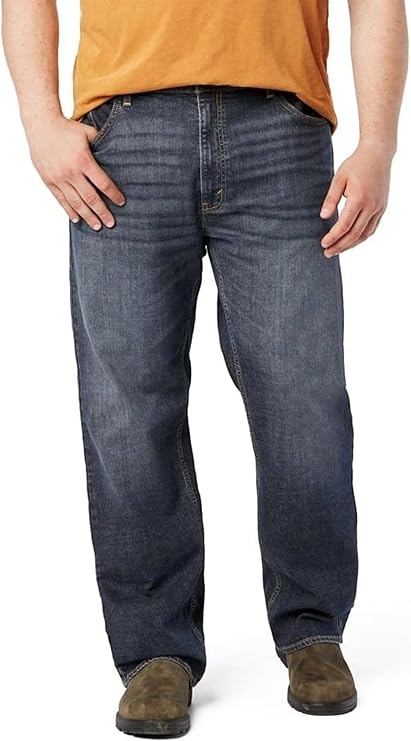
Relaxed-fit jeans for men are all about one thing: comfort. Looser in the seat and thigh, they’re ideal for those with a stockier frame or larger legs. These jeans let you move, breathe, and exist without pulling or pinching. Pair them with oversized tees or flannels for a more casual, laid-back look.

Bootcut jeans

Bootcut jeans flare subtly from the knee down, originally designed to fit over — you guessed it — boots. They work best with chunky footwear and a bit of Western or rugged styling. If you’re into heritage workwear or want a throwback vibe, this style earns its place in your rotation.

Tapered jeans

Tapered jeans combine a roomier thigh with a narrower ankle. They’re a smart choice for athletic guys with big quads who want structure without the squeeze. The taper balances proportions while keeping things clean near your shoes. Look for these if skinny feels too tight and straight feels too boxy.

Wide-leg jeans

Wide-leg jeans are back, and not just for Gen Z. The extra room from hip to hem gives off a bold, fashion-forward vibe. While they’re harder to pull off, they can look sharp when balanced with a fitted tee or a cropped jacket. These are best suited for taller individuals or those seeking a more experimental style.

Whether you’re all about slim fit jeans for men, or prefer relaxed fit jeans for men, the perfect pair is more than just a trend — it’s about fit, function, and feeling good. Getting the right match for your body and lifestyle makes every outfit easier to build.

Understanding Jean Fits and Sizing

Most guys wear the wrong size jeans—and they don’t even know it. You’ve probably tried on a pair that fit great in the waist, but bunched up at the ankle… or one that looked good standing still but turned into a squeeze-fest when you sat down. Knowing how jeans for men should fit will save you time, money, and frustration every time you shop.

Start with the waist: it should sit snug, not tight. You shouldn’t need a belt to keep your jeans up, but you also shouldn’t feel squeezed or have marks on your skin after wearing them. If you’re wondering how men’s jeans should fit at the waist, try this test: you should be able to slip two fingers comfortably between your waist and the waistband — no more, no less. If you need to yank them up constantly, they’re too big. If you can’t breathe after lunch, they’re too small.

Next up: rise. This is the distance from the crotch seam to the waistband. A higher rise means the jeans sit closer to your navel, while a lower rise sits more on your hips. Most guys will be comfortable in a mid-rise, but athletic builds often benefit from a slightly higher rise to avoid gapping at the back. Rise can change your entire silhouette, so don’t overlook it.

Now, let’s talk about how long jeans should be for men. If the hem pools heavily over your shoes, they’re too long. If they float above your ankles, too short. A slight break (where the fabric rests lightly on your shoe) looks sharp and intentional. For cuffing, add an inch or two—but keep it clean, not sloppy.

So, should men buy jeans tight or loose? Here’s the deal: jeans stretch over time, especially if there’s any elastane or “stretch” fabric blended in. Buy jeans that feel fitted but not skin-tight on the first day. If you’re stuck between two sizes, opt for the smaller one in stretch denim or the bigger one in raw/rigid denim. Avoid sizing based only on how they feel in the dressing room — consider how they’ll wear over time.

One of the biggest mistakes? Buying based on a number rather than the actual fit. Sizes vary widely across brands, so disregard the tag and focus on how the jeans actually fit your body. Know your inseam, check your rise preference, and pay attention to the taper. Even a great pair of jeans for men falls flat if the proportions are off.

Best Jeans for Different Body Types

Not all jeans are made for everybody. What looks great on one guy might totally overwhelm or squeeze another. Instead of chasing trends, start with fit that works with your shape. Once you’ve got that dialed in, everything else—from style to wash—falls into place. Here’s how to find the best jeans for short men, tall men, athletic builds, and guys with bigger thighs.

If you’re under 5’9″, look for cuts that lengthen the leg line. The best jeans for short men are those that are slim or tapered, with minimal rise. Cropped or cuffed styles chop the visual line and make you look shorter, so aim for a clean break just at the shoe. Mid-rise gives better proportion than low-rise, and dark washes create a sleeker, uninterrupted line. Skip oversized or relaxed fits—they swallow your frame.

Taller individuals (6’+) face the opposite challenge: ensuring jeans don’t resemble capris. The best jeans for tall men come with longer inseams (34″+), but it’s also about balance. Straight-leg or slim-straight keeps things proportional without looking stretched. Avoid skinny jeans unless you’re very lean—they can accentuate height too much. Wide-leg styles can also work if you’ve got the confidence to go full fashion-forward.

Now, the best jeans for athletic men—especially those with broader thighs—shouldn’t feel like compression wear. You’ll want jeans with extra room in the seat and thigh, paired with a tapered leg to avoid a baggy ankle. Look for athletic cuts, stretch denim, or relaxed taper fits. These let you move, bend, and sit without looking sloppy. They also prevent the dreaded waist-gap issue, common with muscular builds.

Men with more power in their legs will appreciate jeans made specifically for large quads. Good jeans for men with large thighs offer comfort above and structure below. The key? A generous thigh area without being overly relaxed. Stretch fabrics make a huge difference here. Athletic taper, slim-straight, and Levi’s 541 are fan favorites for this reason—they deliver shape without squeeze.

Finding the right jeans for men starts with knowing your body—not just your size. A great pair won’t just fit, it’ll flatter. Think beyond trends and build your denim rotation around fits that enhance your look in everything else you wear.

Brand Spotlight: The Big Three

Here’s the unpopular truth most premium denim brands won’t admit: the best jeans you’ve ever worn might still come from the big 3 jeans brands — Levi’s, Wrangler, and Lee. While newer labels shout about heritage and hype, these three have quietly been outfitting men for over a century. So why are they still around? Simple: they deliver on fit, durability, and price.

Levi’s

Let’s start with Levi’s. Ask anyone, why is Levi’s so popular? Because they’ve perfected the art of giving guys options that actually fit. Whether it’s the slim-cut 511s, tapered 512s, or athletic 541s, Levi’s has a number system that makes shopping easier. Beyond fit, Levi’s offers a variety of fabric blends and washes. They’re wearable for every age and strike a balance between classic and contemporary. Whether you’re into selvedge, stretch, or raw denim, they’ve got a version that works.

Wrangler

Wrangler’s reputation? Built tough. Their jeans have always been the go-to choice for workwear, rodeos, and guys who actually wear their denim out. But there’s more range than most think. The Cowboy Cut is iconic, but Wrangler also offers modern fits, such as the Retro Slim and straight-leg styles, made with Comfort Flex. They’re a win if you want hard-wearing denim that still looks good with boots or sneakers. Think rugged, not dated.

Lee

Lee, often underestimated, hits that sweet spot between Levi’s polish and Wrangler’s grit. Their Motion Series offers all-day comfort, and their Extreme Motion jeans are a sleeper hit for guys who want stretch that doesn’t look or feel like gymwear. Lee also excels at relaxed-fit jeans for men and those with athletic builds, making them a strong choice if you’ve found slim cuts too restrictive elsewhere.

So what’s the difference between Levi’s and Wrangler jeans? Fit and style lean more fashion-forward with Levi’s, while Wrangler sticks to its roots with utility and durability. Lee sits comfortably in the middle—often offering better comfort for the price. Whether you want a dependable workhorse pair or something trend-savvy, one of the big 3 jeans brands has already nailed the formula.

Quality Matters: From Affordable to Premium Denim
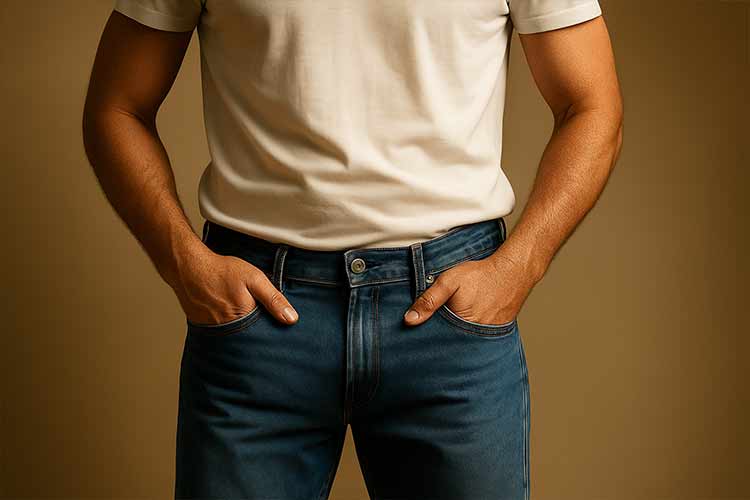
man wearing Premium Denim

Here’s the part most guys miss: price doesn’t always equal quality. Some $200 jeans fall apart after a few washes, while a $50 pair might last years. What separates the best quality jeans for men from the rest isn’t the label — it’s construction, fabric, and how well they hold up under real-life wear.

Start with fabric weight. Lightweight denim (10–12 oz) is softer and easier to break in, but won’t last as long if you’re wearing them hard. Heavier denim (13–16 oz) takes longer to soften but offers better shape retention and durability. If you want the most durable jeans for men, look for thicker fabric, reinforced stitching (especially around stress points), and metal rivets that don’t pop off after a few wears.

Construction details matter too. Chain-stitched hems, bartack reinforcements, and selvage edges (that crisp finish on the outseam) all signal quality. You don’t need selvage to get good jeans, but if it’s there — and properly done — it’s a good sign. Likewise, watch for loose threads, warped seams, or uneven dye. That’s where budget denim usually cuts corners.

For men shopping on a budget, there are solid, affordable men’s jeans brands that don’t sacrifice comfort or longevity. Uniqlo, Lee, and Wrangler often come in under $60 with clean stitching and decent stretch. Levi’s, especially when on sale, offers killer value — especially in their 511 or 502 lines. These brands prove you don’t have to spend big to get jeans that last.

But if you’ve got the budget and want something special, premium denim jeans for men can absolutely deliver. Brands like Naked & Famous, 3sixteen, or APC offer raw and selvedge options made with Japanese or American denim, cut and sewn in small batches. They take time to break in, but reward you with a custom fit, better fades, and real longevity.

Whether you’re focused on the best quality jeans for men or want a pair that won’t blow out after six months, it pays to look past the branding. Stitching, fabric weight, and how the jeans feel after five washes will tell you way more than the price tag ever could.

Style Trends in Men’s Jeans

large man in black jeans

Still wearing the same jeans you bought five years ago? They might still fit—but they probably don’t look current. Trends in men’s jeans shift slowly, but they do shift. And while classic cuts never go out of style, paying attention to what’s in (and what’s out) helps keep your outfits sharp instead of stale.

First off, are skinny jeans for men still in style? Sort of. The ultra-tight look is fading fast, but slim and skinny tapered fits still have a place — especially when paired with minimal sneakers or streetwear looks. The key difference now: your jeans should move with you, not squeeze the life out of you. If your skinnies make sitting down a chore, it’s time to size up or switch to a different fit.

What’s taking their place? Wide-leg, straight, and tapered jeans are having a moment. The rise of relaxed fits isn’t just about fashion — it’s about comfort. Guys are realizing they don’t have to sacrifice mobility to look good. Yes, the wide-leg jeans for men trend is indeed a reality. When styled right (cropped hem, boxy tee, vintage jacket), wide legs look intentional, not lazy. Bonus: they work well with boots or chunkier sneakers.

Vintage-inspired denim is also everywhere. Think light washes, high-rise fits, and a little bit of ‘90s attitude. Brands are leaning hard into throwback styles, but with modern fabric blends and improved fits. Even tapered jeans are now being cut with vintage rises and wider hips for a more natural shape.

And then there’s distressing. Ripped, shredded, or just lightly faded — ripped jeans for men outfit ideas are still in rotation. But here’s the trick: don’t overdo it. One or two rips? Stylish. Torn to shreds? It’s a hard pass unless you’re a rockstar or 19. Pair distressed denim with clean basics: solid tees, bomber jackets, leather sneakers. Let the jeans be the statement, not the whole story.

The smartest move? Select one or two trend-forward pairs to incorporate into your rotation, but keep a few timeless cuts on hand. Trends come and go, but great-fitting jeans for men will always have your back.

Specialty Denim: Stretch, Sustainable, and Heritage Jeans

You don’t have to stick to the basics anymore. The denim market has exploded with improved fabrics, smarter fits, and jeans designed for more than just appearance. Whether you prioritize comfort, the environment, or craftsmanship, specialty denim has something worth exploring. If you’ve been stuck in stiff, off-the-rack pairs, this is where the upgrade starts.

Let’s start with a stretch. More and more men are reaching for stretch jeans, and not just for lazy days. Stretch denim blends cotton with elastane or spandex, providing flexibility without compromising the classic look of jeans. They’re perfect if you’re on the move a lot, sit at a desk all day, or just don’t want to feel restricted. Good stretch jeans look structured but feel like loungewear—a win for any age, especially if comfort is a top priority.

Sustainability is also transforming the way jeans are made. Eco-washes, recycled water systems, organic cotton, and even plant-based indigo dye are driving the eco-friendly jeans trend for men. Brands like Nudie, Outland, and Levi’s Water<Less line offer jeans with a smaller environmental footprint — without looking like “eco” fashion. If you care about what you wear (and where it ends up), it’s worth looking into greener options.

Then there’s niche denim. Have you ever heard of Japanese denim jeans for men? It’s often woven on old-school shuttle looms, giving it a tighter weave and richer texture. It ages beautifully, fades uniquely, and costs more — but fans swear it’s worth every cent. These jeans aren’t mass-produced; they’re pieces of craftsmanship.

Likewise, American-made men’s jeans are making a quiet comeback. Brands like Tellason, Raleigh, and Flint and Tinder are producing U.S.-sewn denim with pride. It’s about supporting local manufacturing, but also getting jeans made with serious attention to detail.

So if you’ve been cycling through the same three pairs year after year, specialty denim opens the door to better options. Whether it’s stretch jeans for men that make all-day wear easier, or investing in raw selvedge from Japan, there’s more to denim than just size and color.

How to Choose the Right Pair of Jeans

Here’s the thing most style guides won’t admit: you don’t need ten pairs of jeans. You need the right ones. With so many options, guys end up grabbing random pairs and wondering why half of them sit untouched in the closet. The smart move is building a small rotation of jeans for men that covers every situation.

Think about the occasion first. For work or business casual, opt for slim-straight or tapered fits in dark washes—sharp enough for the office, yet not overdressed. For weekends, relaxed or straight fits pair perfectly with sneakers and tees. Heading out at night? Black denim or a slim tapered cut looks polished without trying too hard. Matching jeans to the setting keeps you stylish without overthinking.

Now comes the strategy: a tight, versatile lineup. Most guys can get by with 3–4 pairs. Start with one dark wash slim fit (your dress-up option), one mid-wash straight leg (your everyday go-to), and one black or grey pair (for nights out). Add a relaxed or tapered pair if you like variety. That’s it—your base is covered. Once you’ve nailed the essentials, you can play with trends like wide-leg or vintage cuts without wasting money.

Shopping smarter also means avoiding common traps. Don’t buy based on tag size alone—brands cut their tags differently. Don’t ignore comfort: the comfortable jeans for men over 40 often feature stretch, higher rises, and looser fits, but still look sharp when chosen right. And don’t buy too many trend pieces at once. Build your foundation, then experiment.

Looking ahead, the best jean styles for men won’t be about extremes, but rather about balance—modern comfort with timeless appeal. A mix of stretch, sustainable fabrics, and classic fits will dominate. If you start choosing jeans based on fit, lifestyle, and purpose, your denim collection won’t just look better—it’ll finally work for you.

Final Thoughts

No matter the decade, jeans for men remain the one item that never leaves a wardrobe. Styles come and go, but denim’s appeal stays the same: it’s reliable, versatile, and always ready for whatever your day throws at you. The trick is understanding that the right pair isn’t about chasing trends, but about finding jeans that match your body, your lifestyle, and your comfort level.

If you’ve ever felt lost standing in front of a wall of denim, remember this: start with the fit. Straight, slim, relaxed, tapered — each has its place, but only a few will feel like a second skin. Pay attention to rise, fabric, and leg shape, because those details separate the jeans you wear once from the ones you live in. Once you know your sweet spot, shopping becomes a lot less stressful.

The best part? You don’t need 20 pairs. A sharp rotation of 3–4 goes further than a messy stack of 12. Add one dark wash for polish, one relaxed for comfort, and one trend-driven pair to keep things fresh. From there, build slowly and with purpose.

At the end of the day, jeans aren’t just clothes—they’re your everyday foundation. When chosen correctly, jeans for men work harder than any other item in your closet, allowing you to move through life with confidence and ease.
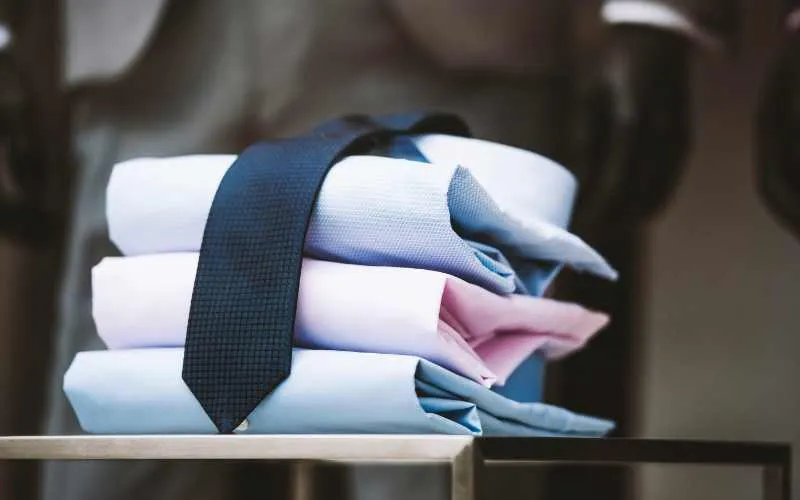
The Ultimate Guide to Cotton Dress Shirts for Men


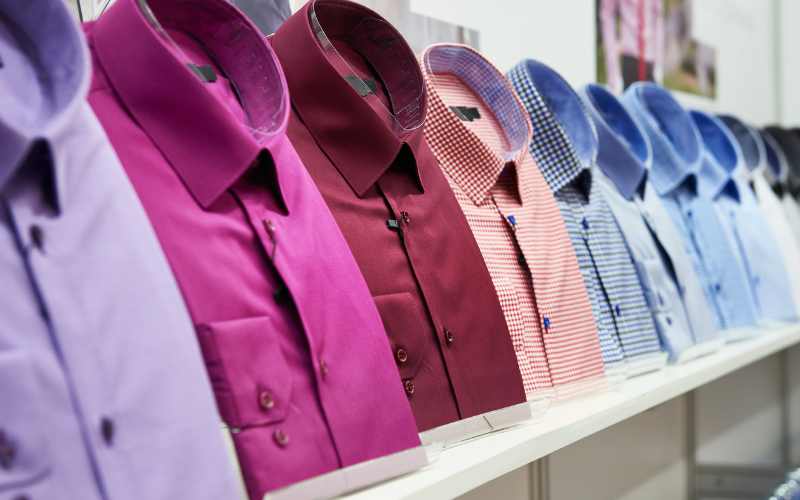
mens dress shirts on display

There’s a reason cotton dress shirts keep showing up in the closets of sharp men, year after year. They’re clean, breathable, and pull off that rare combo: polished and comfortable. Whether you’re dressing for work, weekend drinks, or something more formal, a cotton dress shirt almost always fits the moment.

Here’s what most guys miss: not all cotton shirts are created equal. From fabric type to fit, getting it wrong can mean spending too much on something you won’t reach for twice. But get it right—and suddenly you’ve got a go-to piece that works hard across seasons and settings.

This guide covers everything you need to know before buying a cotton dress shirt—from materials and fits to seasonal picks and care tips—so you don’t waste time or money.

Whenever you purchase through links on this page, we make a small commission from Amazon.com and other affiliate partners. Our ultimate goal is to provide our readers with actionable insights and practical tips that they can use to improve their daily lives. Learn more

Why Every Man Needs a Great Cotton Dress Shirt

You can’t overstate it—every man should own at least one cotton dress shirt that fits like a glove and wears like it’s part of his personality. It’s the kind of piece that works harder than most things in your closet. When chosen right, it quietly boosts your appearance without trying too hard.

Start with the obvious: versatility. A great cotton dress shirt handles the Monday morning meeting, Friday night dinner, and your best friend’s wedding—all without blinking. Tuck it in with a blazer, roll the sleeves with chinos, or wear it open over a tee. It shifts gears depending on how you style it, making it one of the most adaptable items you can own.

The fabric makes a difference. Breathable cotton dress shirts allow air to move through the fibers, so even on long days or warm commutes, you won’t feel like you’re melting inside a button-down. Unlike synthetic blends, cotton doesn’t trap heat or cling in weird spots. Look for 100% cotton if you want that crisp-but-comfortable balance most guys are chasing without realizing it.

Then there’s longevity. A solid cotton shirt won’t pill, tear, or stretch out like cheaper options do. It softens slightly with each wash, forming to your body while keeping its structure. When you invest in the best cotton dress shirts for men—whether for work or daily rotation—you’re not just buying fabric. You’re buying dependability. It’s that piece that stays in your lineup while trends come and go.


Types of Cotton Used in Men’s Dress Shirts

Here’s the part most brands hope you skip: not all cotton is good cotton. Some shirts labeled “100% cotton” are cheap, scratchy, and fall apart after a few months. That’s because the label doesn’t tell the full story—you have to know what type of cotton you’re buying to avoid wasting your money.

Let’s start with the gold standard: Egyptian cotton. Grown in the Nile Delta, this fiber is long, smooth, and naturally soft. Egyptian cotton dress shirts usually feel silkier and more breathable, and they age well—getting better over time. They’re often pricier, but worth it if you’re looking for premium quality that holds up.

Next is Pima cotton, which is grown mostly in the U.S. and Peru. It’s nearly as smooth as Egyptian, just slightly less rare. Pima cotton resists fraying and fading, making it a smart choice for men seeking a soft, breathable shirt without the luxury price tag. For anyone with sensitive skin, both Egyptian and Pima are excellent options.

Organic cotton is less about feel and more about values. It’s grown without harmful pesticides and processed with fewer chemicals. Organic cotton dress shirts are a good option if you care about sustainability—but watch for greenwashing. Not every “organic” shirt is well-made, so check for quality certifications.

Now, weave matters too. Poplin feels smooth and lightweight, ideal for summer or layering. Oxford is chunkier and more casual—great with denim or chinos. Then there’s twill, which has a subtle diagonal texture and resists wrinkles better than poplin. Twill weave cotton shirts are your friend if you hate ironing but want a polished look.

Lastly, thread count plays a small but noticeable role. Higher thread count often means a softer, more durable fabric—but only when paired with long-staple cotton. Don’t let thread count alone sway you. Focus on fiber length and weave first; those are what control how your shirt wears and feels.


Fit Matters: Choosing the Right Cut and Style


Nothing ruins a sharp cotton dress shirt faster than a bad fit. You can buy the finest fabric out there, but if the shoulders droop or the waist balloons, it’s not going to look good—or feel right. The good news? Get the fit right, and every other part of your outfit works harder for you.

Slim fit is cut closer to the body, hugging the chest and tapering at the waist. It’s best for guys with a lean or athletic frame who want a modern, streamlined silhouette. Tailored fit (sometimes called “modern” or “fitted”) offers a happy middle ground—trimmer than classic but not as tight as slim. For many men, tailored cotton shirts for work strike the best balance of comfort and clean lines.

Classic fit is roomier in the chest and sleeves and doesn’t taper much at the waist. It’s ideal if you prioritize comfort or prefer a more traditional shape. Don’t assume classic means sloppy—on the right body, a classic fit cotton dress shirt still looks smart, especially when tucked in properly.

So, how do you choose the right fit? Start by checking how the shirt sits across your shoulders—that’s your anchor point. The seam should line up exactly with the edge of your shoulder bone. From there, make sure there’s no pulling across the chest or gaping at the buttons. A fitted cotton shirt for the office should allow you to move freely without ballooning when tucked.

Here’s the part most guys don’t think about: fit changes depending on how you wear your shirt. Want to layer it under a blazer? Go slightly slimmer. Wearing it on its own, untucked? A touch of room in the torso won’t hurt. Once you’ve dialed in your ideal cut, every cotton dress shirt you buy after this gets easier. And as you’ll see in later sections, choosing fabric and color becomes a lot more fun once you’re confident in the fit.

Color and Pattern Choices for Every Guy

Wearing the wrong color shirt doesn’t just look off—it can make you look tired, washed out, or like you borrowed someone else’s wardrobe. And yet most guys stick to the same one or two shades their whole lives. Playing it safe? Sure. But it’s also holding your style back.

Let’s start with work-friendly colors. You can’t go wrong with crisp white or classic light blue. These are the foundation of any smart closet, and they match with almost any tie, suit, or jacket. For cotton dress shirts for work, add pale shades like lavender, gray, or soft pink to rotate throughout the week—enough variety to keep things fresh without breaking office norms.

Now for weddings, dates, and nights out, you can afford to play more with patterns. Thin stripes or micro-checks bring just enough visual texture without being loud. Keep the scale small for a more refined look. Want something with personality? Look at deep navy or muted burgundy for casual cotton dress shirts that still feel elevated.

Don’t ignore solids, either. They’re easiest to coordinate and can be dressed up or down fast. But here’s the interesting part: the color should match your skin tone more than the occasion. Warmer skin tones do well with earthier hues—think olive, cream, or rust. Cooler complexions pop with blues, grays, and crisp whites.

The trick is knowing which shirts work hard across multiple outfits. Focus on 2–3 core colors, then expand with seasonal shades or subtle patterns. If you’re unsure where to start, build around a few solid cotton dress shirts for work, then add more casual picks once those are in rotation.

How to Care for Your Cotton Dress Shirt

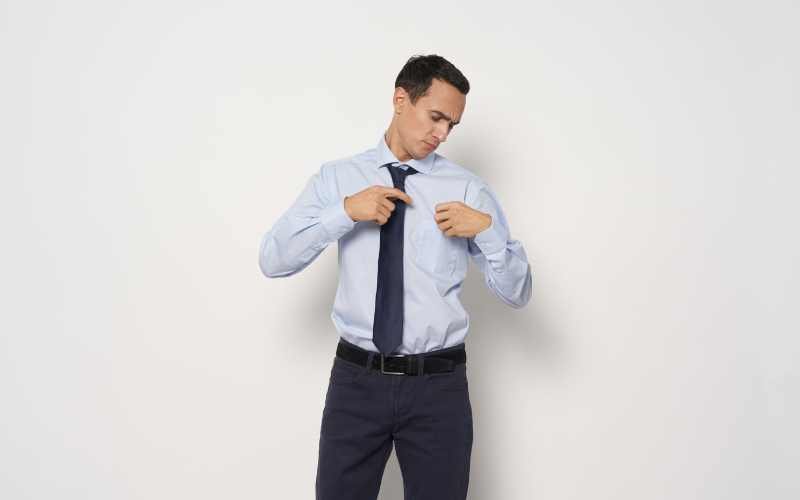
man checking his dress shirt

\Most guys treat their cotton dress shirts like any other laundry—toss them in, forget about them, and hope they survive. That’s exactly why shirts fade fast, shrink up, or lose shape after a few months. The trick isn’t complicated. You need to care for your shirt the way it was built to be treated.

Start with washing. Use cold water and a gentle cycle. It preserves the fibers and prevents color fading. Hot water might feel “cleaner,” but it breaks down cotton faster and causes shrinkage. If your shirt has stains, pretreat before washing—especially on collars and underarms. A mix of baking soda and white vinegar works surprisingly well on sweat and deodorant buildup.

Drying is where most shirts get ruined. Skip the dryer when you can. Instead, hang your shirt while it’s still slightly damp. It’ll air dry into shape, and you’ll cut your ironing time in half. If you do tumble dry, use low heat and pull it out early. Overdrying causes cotton fibers to stiffen or curl at the edges.

Now here’s the insight most guys miss: ironing isn’t just about wrinkles—it’s about longevity. A wrinkled shirt gets tugged, stretched, and manhandled during wear. Over time, that weakens seams and fibers. Ironing or steaming resets the shirt’s shape and protects the stitching. If that sounds like too much effort, look for wrinkle-resistant cotton shirts or a non-iron cotton dress shirt—just make sure it’s still breathable and not overloaded with synthetic coatings.

Want your shirt to last? Rotate it. Don’t wear the same shirt twice in a week. Let it rest between washes to maintain elasticity in the seams and avoid sweat buildup. If you’ve invested in soft cotton shirts for sensitive skin, treat them with care and avoid harsh detergents or bleach.

Taking a few extra minutes when you wash and press your shirt doesn’t just make it look better—it can add years to its life. And if you’ve picked a shirt you really love, that’s time well spent.


Where to Buy the Best Cotton Dress Shirts for Men

A shirt can look sharp online, but feel like sandpaper when it shows up. Or worse—fit like it was made for someone else entirely. So when you’re shopping for a cotton dress shirt, what you buy is only half the battle. Where you buy it matters just as much.

Start with trusted brands. If you’re after value, Uniqlo, Banana Republic, and Charles Tyrwhitt offer some of the best affordable cotton dress shirts under $50. Their fits are consistent, the cotton is breathable, and the styles aren’t trying too hard. Great if you’re building a rotation without blowing your budget.

On the premium end, look at brands like Proper Cloth, Ledbury, or Gitman Bros. These shirts cost more, but the quality jump is real—long-staple cotton, better stitching, stronger collars. Many let you customize sleeve and collar sizes, which is a big win for guys who don’t fit the off-the-rack mold. If you’re ready to level up, premium cotton shirts for men from these brands feel like a real upgrade.

Fit and return policies are where online shopping can make or break your experience. Look for stores that clearly list measurements (not just S/M/L), offer easy returns, and have plenty of customer reviews. The reviews are key—they’ll often call out whether the shirt runs large, fits boxy, or shrinks in the wash.

Now, if you’re after something made local, cotton shirts made in the USA from brands like Buck Mason or Taylor Stitch deliver quality and responsible production. You’re paying more, but the craftsmanship usually shows in the details—clean seams, stronger buttons, and smarter cuts.

Here’s the bottom line: price doesn’t always match value. A $48 cotton shirt that fits great and washes well beats a $120 one that feels stiff or shrinks in a week. The best cotton dress shirts aren’t just about brand—they’re about smart buying. Learn what to look for once, and your future shirt shopping gets way easier.

Gifting a Cotton Dress Shirt: What Women Should Know

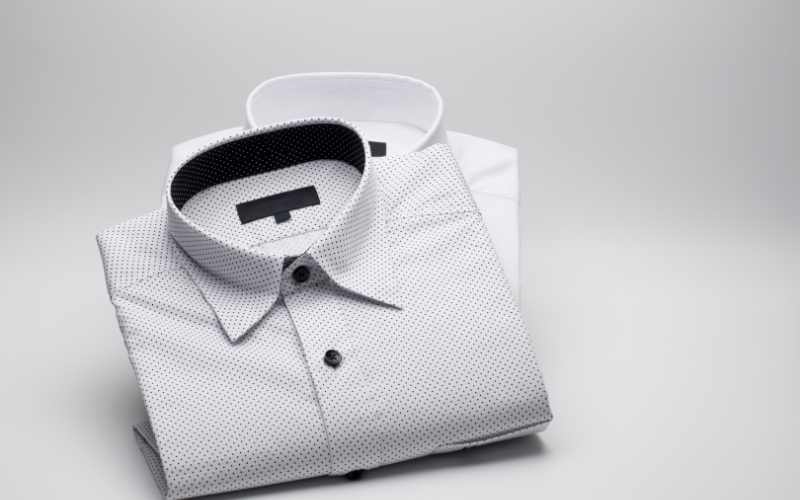
dress shirt for a gift

Buying clothes for someone else can feel risky—but a well-chosen cotton dress shirt is one of the safest style gifts you can give a man. Why? Because when you get it right, it becomes his new favorite shirt. One he’ll reach for again and again—and actually thank you for.

Start with style matching. Is he more classic and reserved? Go for solid colors—white, light blue, pale gray—with a tailored or classic fit. Does he lean more modern or expressive? A fine check, pinstripe, or even a deep navy shirt adds some personality without overdoing it. The trick is: match the shirt to his lifestyle, not just his current wardrobe.

Next, sizing. You don’t need exact body measurements, but you do need to know his general shirt size—M, L, XL—and his build. Slim guys do better with fitted cotton shirts, while broader frames are safer with classic fit or relaxed tailored cuts. When in doubt, check his favorite shirt’s tag or snap a photo—it’s a low-effort move that makes a huge difference.

Now, presentation matters. Fold the shirt neatly, wrap it in tissue, and box it. Some brands offer premium packaging for free or a small upgrade fee—it’s worth it if you’re giving it as a standalone gift. Want to go a step further? Pair the shirt with a tie or pocket square to make it a full look.

And don’t underestimate the moment: cotton shirt gift ideas for him work for birthdays, anniversaries, graduations, or just as a “you’d look good in this” surprise. It’s thoughtful without being too intimate or over-the-top. Stylish, useful, and confidence-boosting? That’s gift guide gold.

Seasonal Picks: Best Cotton Shirts for Summer & Winter

Most guys wear the wrong cotton shirts for the season—and don’t even realize it. They throw on the same shirt in August and December, then wonder why they’re sweating through it or freezing under it. Truth is, cotton isn’t one-size-fits-all when it comes to weather.

Let’s start with summer. You want lightweight, breathable fabric—look for poplin or light Oxford. These summer cotton dress shirts have a finer weave that lets air move freely, making them ideal for hot weather or high humidity. Lighter colors (white, sky blue, pale pink) reflect sunlight and stay cooler against your skin. Brands like J.Crew and Spier & Mackay offer excellent summer-weight options that still look office-ready.

Now, winter’s a different story. Skip the thin weaves. You’ll want heavier cotton shirts, like brushed cotton or thick twill. These trap heat better and layer easily under sweaters or jackets without wrinkling like linen. Winter-weight cotton dress shirts in deeper tones—burgundy, charcoal, navy—also feel more seasonally right. For layering, make sure the sleeves aren’t too tight—leave room for a thermal or undershirt if needed.

Here’s the trick most guys overlook: layer-friendly structure. In colder months, you don’t want a shirt that bunches under a jacket. Look for structured collars and slightly stiffer cuffs—they help the shirt sit better under coats and blazers, keeping your look polished even with layers on.

When shopping seasonally, consider moisture-wicking cotton blends. Some modern shirts combine natural cotton with a small amount of tech fiber to enhance sweat control in summer or heat retention in winter. Just keep the blend under 10% to maintain that soft, natural feel.

The best part? Once you’ve got a summer and winter rotation locked in, your shirts last longer since they’re not overused year-round. With just 2–3 go-to cotton shirts for each season, you’ll stay comfortable, look sharper, and stop wearing weather-inappropriate shirts just because they were clean.

Final Tips on Picking the Right Cotton Dress Shirt for You

Before you buy your next shirt, run through this quick mental checklist:
Does it fit well? Is the fabric right for when and where you’ll wear it? Does it match your style—or just look good on the model?

Fit comes first. Shoulders, sleeves, and waist—get those three right, and the rest usually follows. If it pulls at the buttons or billows at the back, try another size or switch cuts. A proper fit changes how you stand, move, and carry yourself.

Next, think about fabric. Lightweight poplin works well in heat, but twill or brushed cotton is more suitable for colder months. Want less ironing? Go for wrinkle-resistant options. Sensitive skin? Stick with soft, natural fibers—no harsh blends.

Finally, ask yourself when you’ll wear it. Is it for work? A night out? Wedding season? The best buys cover more than one situation—especially if they layer well and stay comfortable all day.

Choose smart once, and you’ll get years out of the right cotton dress shirt—without overthinking it every time you get dressed.

For You to Read Next:

Wrinkled Shirt Survival Guide for Home, Work, and Travel

Dual Voltage Steamer Essentials for Men: 

Men’s Guide to Sweat Stain Remover Essentials: From Gym to Boardroom

Best Armpit Stain Remover Playbook Guide for Active Men

Affordable French Cuff Dress Shirt Picks for the Modern Man

Affordable French Cuff Dress Shirt Picks for the Modern Man


a man in a white French Cuff Dress Shirt

A French cuff dress shirt adds polish to your outfit without screaming for attention. It’s the subtle move that tells people you know how to dress—and care enough to do it right. So what is a French cuff dress shirt? It’s a shirt with cuffs that fold back and are fastened with cufflinks instead of buttons. The look is sharper than standard cuffs, and you don’t need a tux to pull it off.

Whether you’re suiting up for a wedding or want your weekday blazer game to pop, this shirt works. And here’s the best part: you don’t need to drop hundreds to wear one. This guide brings you affordable picks that punch above their price tag in both looks and quality.

Whenever you purchase through links on this page, we make a small commission from Amazon.com and other affiliate partners. Our ultimate goal is to provide our readers with actionable insights and practical tips that they can use to improve their daily lives. Learn more

Why Every Modern Man Should Own a French Cuff Dress Shirt

Most men default to the same button-cuff dress shirts for every event—but French cuffs instantly signal you know what you’re doing style-wise. It’s not just about looking “fancy”; it’s about adding polish in a way most guys overlook. So if you’re asking, “What is a French cuff dress shirt and why should I care?”—the answer is simple. It’s the shirt that separates the guys who dress well from the guys who dress right.

The benefit of wearing French cuff shirts isn’t just the look—it’s the feeling. French cuffs were originally tied to white tie or black tie dress codes. But now they’re worn in offices, on dates, and even on weekend events. The style becomes less formal and more refined. That means you can use them to elevate smart-casual outfits without appearing overdressed. Toss one under a navy sport coat and you’re already ahead of 90% of the room.

Here’s the interesting part: confidence follows detail. A shirt that demands cufflinks forces you to slow down and think about your presentation: you stand straighter, carry yourself better, and people notice. That small folded cuff says, “I know who I am, and I dress like it.” French cuffs have also become more versatile—modern fits and cleaner fabrics make them easier to wear with jeans or chinos, not just suits.

So while the average guy sticks with the basics, you can use a French cuff shirt to quietly level up. It’s not about showing off; it’s about standing out just enough to make people remember you for the right reasons.

What to Look For in a French Cuff Dress Shirt

Think French cuff shirts are only for James Bond types? That’s outdated thinking. The right one can look just as natural at a modern office as it does at a wedding. But here’s the catch—most guys don’t know how to pick the right one. Fit, collar, cuff—get even one of these wrong and the whole look falls apart. Let’s fix that.

Start with the foundation: the shirt cuff anatomy. French cuffs are also called double cuffs because the fabric folds back on itself, creating a clean, structured edge where cufflinks go. That folded layer should feel smooth and firm—avoid shirts where the cuff is floppy or thin, as they won’t hold shape. Look for a crisp interlining (the material inside the cuff) that keeps the fold tight throughout the day.

Now onto the fit. For most guys today, slim fit French cuff shirts are the safer bet—tailored through the body and sleeves, they help the cuffs look intentional, not old-fashioned. Regular fit works if you’re broader in the chest or shoulders, but make sure it doesn’t balloon around your waist. The sleeve length also matters more here than on a regular shirt. Too long and the cuff will slide over your hand; too short and it won’t peek out from under your jacket—both are bad looks.

Collar style is where things get interesting. A spread collar or semi-spread works best because it matches the upscale tone of the cuffs. These collar types balance formal and modern without veering into tuxedo territory. Avoid button-down collars—they clash with the refined vibe of French cuffs. And unless you’re going for a full-on classic tux look, skip the wingtip collar.

As for styling tips, don’t overthink it. You can wear a French cuff dress shirt with a sharp blazer and jeans—it’s all about contrast. Want to tone it down? Pick a solid white or pale blue shirt, then use silk knot cufflinks for a casual feel. Pairing with a suit is still the easiest route, especially with darker tones like charcoal, navy, or midnight blue. Just make sure your cufflinks aren’t louder than your confidence.

Affordable Brands That Nail the Look

The good news? You don’t need a Savile Row tailor or a triple-digit budget to wear a sharp French cuff dress shirt. A handful of under-the-radar and mid-tier brands are quietly making shirts that look far more expensive than they are. And once you know where to look, you can start building a rotation that works for every calendar event—from office meetings to formal dinners.

Let’s start with Paul Frederick. Known for value-driven dress shirts, they offer a solid range of French cuff options, especially in non-iron fabrics. Expect crisp poplins and broadcloths, often under $70 when on sale. They also let you customize sleeve length and neck size—rare at this price point. If you’re after a shirt that plays well with suits but doesn’t feel too stuffy, this is a strong bet.

Next is Charles Tyrwhitt, a UK-based brand with a reputation for sharp officewear. Their French cuff dress shirts under £100 are surprisingly premium in feel. Expect Egyptian cotton, reinforced collars, and sturdy interlinings. Their “extra slim fit” is ideal for guys who prefer a trimmer silhouette without needing a tailor. With frequent 4-for-£139 deals, they land in that sweet spot between fast fashion and investment pieces.

Hawes & Curtis is another standout—especially their French cuff collection that blends British elegance with bold patterns. They lean a little more fashion-forward, with shirts that feature contrast collars, colored buttons, or statement stripes. The fit tends to run more traditional, so if you want structure with room to move, this is where to look. Check their outlet section online for steep discounts, often under $50.

So what do you get at these different price points? Shirts under $50 might use poly-cotton blends, lighter stitching, or thinner cuff interlining. But brands like Paul Frederick still deliver on shape and durability. Move into the $70–$100 zone and you’ll notice better cotton, cleaner seams, and cuffs that feel structured, not flimsy. It’s not just about “luxury”—it’s about how the shirt holds up in real life.

Shopping online gives you more variety, but keep an eye on return policies. Sites like Nordstrom Rack, Yoox, and brand-specific outlets often list cheap French cuff dress shirts online for half the retail price.

Best French Cuff Dress Shirts for Under $100

Let’s be honest: most lists of “budget” dress shirts dump whatever’s on Amazon and call it a day. But here’s the problem—they ignore the details that matter. Fit, cuff structure, fabric quality, and return policies. So instead of tossing you random links, here are real picks under $100 that look sharp, last, and don’t feel like cardboard.

1. Charles Tyrwhitt Non-Iron Poplin Shirt

Price: ~$39–$65 (depending on multi-buy deals)
Fit: Extra Slim, Slim, Classic
Where to Buy: charlestyrwhitt.com
Why It Works: You get a real spread collar, strong cuff interlining, and reliable non-iron fabric. Looks great with suits, especially navy or grey.
Watch For: Sleeves run slightly long, so double-check size charts.

2. Paul Frederick Wrinkle-Free French Cuff Shirt

Price: ~$59–$69
Fit: Regular, Trim
Where to Buy: paulfredrick.com
Why It Works: One of the few brands with wide sizing options. Crisp fabric, solid stitching, and clean white that doesn’t go yellow after a few washes.
Watch For: Slightly thicker fabric—not ideal for high-heat summer.

3. Hawes & Curtis Slim Fit French Cuff Shirt

Price: ~$49 (on sale)
Fit: Slim or Extra Slim
Where to Buy: hawesandcurtis.com
Why It Works: Great if you want a little style edge—think contrast buttons, bold stripes, or micro-check patterns.
Watch For: Sizing runs UK—order a size down if you’re in the US.

4. Brooks Brothers Regent Fit French Cuff Shirt (Factory Store)

Price: ~$89–$99
Fit: Regent (Regular)
Where to Buy: Brooks Brothers Factory Stores / Outlet site
Why It Works: Slightly more structured than other picks. Perfect for formal occasions. Looks excellent with silk knot or metal cufflinks.
Watch For: Limited colors available at outlet pricing.

5. Amazon Essentials French Cuff Dress Shirt

Price: ~$25–$35
Fit: Slim
Where to Buy: Amazon
Why It Works: Surprisingly solid for the price. Good if you need a shirt quickly and on a budget.
Watch For: Thin fabric. Best used under a blazer or suit to mask feel.

6. Nordstrom Rack Men’s Shop Dress Shirt (French Cuff)

Price: ~$35–$45
Fit: Trim Fit
Where to Buy: nordstromrack.com
Why It Works: Rotating stock with decent cotton quality. Clean white and light blue options.
Watch For: Limited availability—move fast when your size is in.

What makes each shirt ideal for the modern guy is the balance of structure, simplicity, and wearability. None of these scream for attention, but all of them step things up from your average button cuff shirt. For men wanting a non-iron French cuff dress shirt, Charles Tyrwhitt and Paul Frederick are the leaders.

How to Style Your French Cuff Shirt Without Looking Overdressed

Most guys assume French cuffs = formal. That’s why their shirts stay locked in the closet until a wedding rolls around. But here’s the insight: French cuffs aren’t formal by nature—they’re formal by styling. That tiny detail? You control it. And once you learn how to dress them down without losing polish, they become one of the most flexible shirts you own.

Start with this rule: drop the tie, but keep the collar sharp. A French cuff shirt with a semi-spread collar, worn open with two buttons undone, instantly softens the formality. Pair that with slim chinos or dark jeans and suede loafers, and the look shifts from “wedding guest” to “off-duty cool.” You’ll still look smart—but in a way that feels effortless.

Want to go even more casual? Wear your French cuff shirt under a casual, unstructured blazer or lightweight bomber jacket. It adds that visual contrast—refined shirt against relaxed layer—that makes outfits interesting. Stick to solid or subtly patterned shirts. Think pale blue, soft pink, or fine stripes. They’re easier to dress down than stark white or tux-ready bib fronts.

Let’s talk cufflink options for French cuff shirts. This is where you can set the tone. Want it relaxed? Use silk knots or fabric-covered links—they signal style without trying too hard. Want a bit more personality? Try vintage-inspired cufflinks in matte finishes (think brushed brass or dark gunmetal). The key is to skip the novelty stuff unless you’re intentionally going playful.

What about day-to-night wear? If you’re at the office, tuck in your shirt and wear it with a lightweight wool suit and a minimalist tie. Heading out after work? Ditch the tie, unbutton the top collar, and let the cuffs peek subtly from under your blazer sleeve. Just like that, it shifts from polished to cool.

Now for the big question: French cuffs with a suit vs. a sports coat? Both work—if you match the vibe. French cuffs under a structured wool suit look sharp and confident. Under a textured sportcoat with no tie? That’s the modern edge that turns heads without looking like you’re trying to.

Here’s what most guys miss: the French cuff doesn’t wear you. It just sharpens whatever look you’re going for. Once you stop thinking of it as a tux-only move, your whole outfit game opens up.

Cufflinks on a Budget: Affordable Accessories That Look Premium

You don’t need to spend a fortune to look polished—especially when it comes to cufflinks. The truth is, once your shirt fits well and the cuff is sharp, a $15 pair of cufflinks can look just as good as a $150 designer set. The trick is knowing what materials, styles, and finishes give off that premium feel—without the premium markup.

Start with the best low-cost go-to: silk knots. These fabric cufflinks usually come in sets and cost less than a sandwich. They’re lightweight, come in dozens of colors, and work great with less formal outfits. Think of them like the Converse of cufflinks—easy, affordable, and surprisingly stylish when paired right. They also make a solid starter set if you’re new to French cuffs.

If you want something more structured, go for metal cufflinks in matte or brushed finishes. Avoid high-shine chrome (it tends to look cheap under bright lighting). Instead, look for brushed silver, gunmetal, or antique brass tones. These finishes give the appearance of high-end jewelry without the flash. Bonus: they hide minor scratches and wear better over time.

Now here’s a smart tip most guys overlook—vintage-style cufflinks on resale platforms. Check eBay, Etsy, or local consignment shops for classic pairs from past decades. You can often find real silver or gold-plated options for under $25, especially from lesser-known heritage brands. Just be sure to check the clasp type—they should close securely and align properly when worn.

If you’re gifting, cufflink + box sets are a win. Look for gift bundles that include 2–3 pairs and a small presentation box. They look premium straight out of the packaging, especially when you’re giving a French cuff shirt as a gift for him. Brands like MRCUFF and Cuff-Daddy offer dozens of themed sets—from minimal black squares to mechanical watch-face styles—often under $20.

A good rule: your cufflinks should match either the tone of your belt buckle, watch case, or wedding band—but not all three. Keep it subtle and coordinated, not overly “matched.”

For those looking to test-drive cufflinks before going all in, search Amazon or Nordstrom Rack using the keyword: cufflink fitting guide French cuffs—you’ll often find great deals with styling instructions built into the product page or packaging.

Gift Guide: French Cuff Shirts for the Stylish Man in Your Life

When you want to give a gift that feels personal and polished, skip the predictable stuff like socks or another bottle of cologne. A French cuff dress shirt hits different. It’s thoughtful, useful, and just elevated enough to make the recipient feel like you know their taste. Whether it’s for a wedding, milestone, or upgrade to his work wardrobe—this shirt makes a serious impression.

Let’s talk about occasions. A groom French cuff wedding shirt for men is a top-tier gift if you’re shopping for someone about to walk down the aisle. It’s sharp, elegant, and often gets worn again—especially for formal events or important meetings. It also makes a great father of the groom gift—especially paired with cufflinks or a handwritten card. For anniversaries? A French cuff shirt is a smart way to level up his date-night look without needing to ask for his size in shoes or trousers.

What To Look For

Now here’s the part many gift buyers get stuck on: sizing. If you’re unsure, look for brands with flexible return policies (like Charles Tyrwhitt or Nordstrom). Standard sizing usually follows neck and sleeve length—for example, 15.5″ neck with 34″ sleeve. Check his current dress shirt tags, or sneak a look in the closet if possible. If that fails, aim for a “classic” or “slim” fit in medium—brands usually offer sizing charts to guide you from there.

Want to wow? Look for shirt and cufflink gift bundles. Many brands (especially on Amazon or Hawes & Curtis) offer box sets that include a neatly folded shirt, a pair of cufflinks, and sometimes even collar stays or tie bars. These kits are ideal for gifting—no extra wrapping needed. Keywords to search: “anniversary gift French cuff dress shirt” or “best gift French cuff shirt for him”.

The real charm of this gift is what it does for the wearer. Most men don’t buy French cuff shirts for themselves—but they always feel sharper when they wear one. It’s the kind of gift that upgrades their wardrobe without shouting for attention.

Care & Longevity: How to Make an Affordable Shirt Last

You can spot a neglected French cuff shirt from across the room—limp cuffs, frayed seams, and a collar that’s gone from white to grey. The real issue? Most guys treat them like regular shirts, then wonder why they look worn out fast. But even on a budget, your shirt can last years if you treat it right. Here’s how to keep it crisp, clean, and sharp—without babying it.

Start with the fabric. Shirts made from cotton-poplin or twill often have interlining sewn into the collar and cuffs to help them hold shape. This is where cheaper shirts tend to fall short—but you can make up for it in care. Skip high-heat washes, which can break down both the fibers and the cuff structure. Stick to cold water, a gentle cycle, and use a mesh garment bag if you want to go the extra mile.

When it comes to drying, the dryer is your enemy. Heat warps interlining and shrinks sleeves. Hang your shirt on a padded hanger while it’s still slightly damp. Smooth the collar and cuffs with your fingers to keep the shape. Ironing? Yes—but don’t blast it. Use medium heat with steam and go easy around the cuffs to avoid flattening the fold.

Want a shortcut? Buy a non-iron French cuff dress shirt—especially from brands like Paul Frederick or Charles Tyrwhitt. These hold up to repeated washes and keep their shape with minimal effort. Just be sure not to over-dry them, or you’ll lose the finish over time.

How to Fold a French Cuff Properly

When storing, make sure you fold the cuff flat along its original crease, then button or clip the shirt closed to prevent the sleeves from flaring. Never crumple or shove it in a drawer—creases in the wrong place are nearly impossible to fix.

Don’t forget your accessories. Store cufflinks in a small box or travel case with individual slots. Tossing them in a drawer leads to scratches, broken mechanisms, and the classic “I swear I had the other one” problem.

And here’s the trick to making a cheap shirt look expensive longer: rotate it. Wearing the same shirt every week wears out the collar and cuffs fast. Build a small rotation of 2–3 shirts, and each one will last significantly longer.

French cuff shirts don’t need to be high-maintenance—they need to be respected. Treat them like the stylish weapon they are, and they’ll reward you every time you wear them.

Conclusion

A French cuff dress shirt isn’t just another option—it’s the one detail that sets you apart. Whether you’re upgrading your daily office look or dressing for something big, it delivers confidence without shouting. The best part? You don’t need to blow your budget. With sharp picks under $100, plus affordable cufflinks and smart styling tips, you can wear French cuffs your way—bold or understated.

Once you feel the difference in fit, fabric, and presence, it’s hard to go back. So take the risk. Try one. Whether it’s your first or your next, a French cuff dress shirt is the kind of move that pays off in every room you walk into.


Dual Voltage Steamer Essentials for Men: How to Stay Wrinkle-Free Worldwide


man holding a steamer

There’s nothing worse than arriving at your destination, pulling out your favorite shirt, and realizing it looks like it was crumpled into a ball. Hotel irons? Often unreliable—or worse, they scorch your threads. Wrinkle spray? Temporary at best. That’s why a dual voltage steamer belongs in every man’s carry-on.

A dual voltage steamer works wherever you land—Tokyo, Paris, or São Paulo—without needing bulky converters. It’s compact, easy to use, and keeps you looking sharp from boardroom to rooftop bar.

If you travel often, this is more than a gadget—it’s your secret weapon. In this guide, you’ll learn what to look for, how to use it, and the best options for staying wrinkle-free on the go.

Whenever you purchase through links on this page, we make a small commission from Amazon.com and other affiliate partners. Our ultimate goal is to provide our readers with actionable insights and practical tips that they can use to improve their daily lives. Learn more

What Is a Dual Voltage Steamer and Why Every Man Should Care

Let’s be honest—looking polished overseas shouldn’t mean gambling with a sketchy hotel iron or frying your favorite shirt in a foreign socket. If you travel with just one grooming gadget, make it a dual voltage steamer. It works in virtually any country, keeps your clothes fresh, and saves your style from power mishaps. Still think it’s optional? Not if you’re serious about looking put together.

Unlike standard steamers made for single-voltage regions, dual voltage steamers are built to run safely on both 110V (North America) and 220–240V (Europe, Asia, most of the world). This matters more than you think—plug a single-voltage steamer into the wrong outlet, and you’re looking at smoke, sparks, or straight-up device death.

Here’s the interesting part: a dual voltage steamer isn’t just about safety. It’s about speed and ease. These units heat up fast, meaning you’re not wasting precious time before meetings or nights out. They’re also safer for men’s garments—especially structured pieces like blazers and sport coats that can be ruined by direct-contact ironing.

What makes these steamers great for men on the move is their simplicity. No external converters. No fried electronics. Just plug and go. This cuts down your gear count and makes packing easier.

There’s another upside—versatility. You can steam almost anything: dress shirts, casual polos, trousers, even that linen resort shirt you love but hate to iron. Most models are compact enough to fit in your dopp kit or carry-on, so you don’t sacrifice space for style.

To recap:

  • Simplifies international travel—no voltage converters or guessing games.
  • Gentle on men’s clothes—safer than irons for suits, knits, and soft fabrics.
  • Faster and cleaner than hotel appliances—most steamers heat up in under 60 seconds.
  • Saves room and time—fits in your bag, works in every hotel room.

Best Dual Voltage Steamers for Men in 2025

When space is tight and appearance matters, not all steamers cut it. The best dual voltage steamers in 2025 nail three things: compact design, fast heat-up time, and reliability on any continent. Whether you want something sleek for business travel or a rugged unit that won’t quit, this list covers every need—and budget.

1. Conair CompleteSteam Travel Steamer
This lightweight model folds flat and heats in under 60 seconds. It’s ideal for short trips or weekend getaways. The water tank is small (about 110ml), but enough for a quick refresh of a shirt and pants. Bonus: it has dual voltage built in, so it’s plug-and-play worldwide.

  • Weight: 1.2 lbs
  • Heat Time: ~45 sec
  • Price: Budget-friendly ($30–$40)

2. Steamery Cirrus No. 2
Minimalist design meets serious power. Steamery’s Cirrus No. 2 looks like something out of a Scandinavian grooming ad—and it performs just as well. It’s perfect for men who pack smart but still want something that looks premium on the shelf.

  • Weight: 1.3 lbs
  • Heat Time: ~25 sec
  • Price: Premium-tier ($130–$150)
  • Best for: Gift-worthy style and form factor

3. Rowenta DR8080 X-Cel Steam
Rowenta delivers a little more muscle. This isn’t the most compact unit, but the performance makes up for it. It tackles thicker fabrics like denim or structured cotton, making it a great option if your wardrobe skews formal.

  • Weight: 2.2 lbs
  • Heat Time: ~40 sec
  • Price: Mid-range ($65–$80)
  • Best for: Suits, blazers, and workwear staples

4. Hilife Dual Voltage Mini Steamer
This model is compact, affordable, and surprisingly effective for its size. It fits easily in carry-ons and has a decent tank capacity. It’s ideal for casual travelers who don’t want to overthink it.

  • Weight: 1.1 lbs
  • Heat Time: ~90 sec
  • Price: Budget option ($25–$35)
  • Best for: Everyday shirts and light fabrics

When comparing models, prioritize:

  • Foldability or shape—fits better in your bag
  • Heat-up time—under 60 seconds is ideal
  • Auto shut-off—for safety and peace of mind
  • Cord length—6+ feet gives you more freedom in hotel rooms

Whether you’re buying your first dual voltage travel steamer or upgrading to something faster and sleeker, there’s a model here that’ll work for your lifestyle.

How to Steam Men’s Clothes Like a Pro While Traveling

Let’s get one thing straight—steaming isn’t just for influencers or guys with too much time on their hands. It’s faster, safer, and often better than ironing. Yet most men either wing it—or worse—skip it entirely and settle for “crumpled but clean.” If you’re investing in a dual voltage steamer, you should know how to use it properly. Here’s how to stop wasting time and start looking sharp without a hassle.

Start with the right setup.
Hang your clothes on a sturdy hanger—over the bathroom door, closet rod, or even the hotel shower rail. Steam works best when gravity helps. Make sure your steamer has enough water (distilled is ideal), and plug it in to let it heat up. Most dual voltage steamers are ready in under 60 seconds.

Use smooth, downward strokes.
Don’t press the steamer into your clothes like an iron—that’s how you get water spots or streaks. Instead, hover slightly or gently graze the fabric, working from top to bottom. Go slowly. You’ll get better results with two slow passes than five rushed ones.

Know your fabrics.
Suits, wool-blend trousers, cotton dress shirts, chinos, and even technical outerwear respond well to steaming. It lifts wrinkles without damaging structure or finish. That said, steer clear of steaming leather, suede, or silk unless your device is marked as fabric-safe—and even then, test a hidden spot first.

Avoid rookie mistakes.
Filling the tank with tap water can lead to mineral build-up and sputtering. Using too much pressure can stretch or distort fabric. Steaming dirty clothes? You’re just heat-setting the stains—always steam clean, dry garments.

Pro-level tip:
If you want crisp collars and cuffs, steam them lightly, then smooth them out with your hand immediately after. For tricky folds (like shirt plackets), try gently pulling the fabric taut as you steam for sharper results.

Packing Smart: How to Fit a Steamer in Your Carry-On

You’ve got the steamer—now where the hell do you put it? The truth is, even the most travel-friendly gear becomes a nuisance if it leaks, hogs space, or gets flagged at airport security. But with a few smart packing moves, you can fit your dual voltage steamer into your carry-on like a seasoned pro—no checked bag needed.

Start with the basics: pack it dry.
Always empty the water tank before packing. A full tank isn’t just a TSA red flag—it’s a potential suitcase flood. Some steamers have travel locks or sealing caps—use them. If yours doesn’t, store it in a zip-top bag or dry pouch just in case.

Use packing cubes or a dedicated pouch.
Treat your steamer like a grooming tool. Stash it in a cube with your travel-size toiletry kit or tech cords. Soft-sided cubes help protect the nozzle and cord, while also keeping it from rattling around your luggage.

Think shape and cord length.
Foldable or flat-body steamers are easiest to pack. Some models tuck neatly into shoes or side compartments. Also, a longer cord (at least 6 feet) makes it easier to use in awkward hotel layouts—no more crouching by the sink.

Mind the size and weight.
If your steamer weighs more than 2 lbs or takes up more room than your shaving kit, it’s probably better suited for checked luggage. Stick with models under 1.5 lbs and under 10 inches long if you’re a carry-on-only traveler.

TSA tip:
Steamers are allowed in both carry-on and checked bags, but airport agents may inspect anything that looks electronic or bulky. Make sure it’s easy to remove if asked, and pack it near the top.

Once you’ve got your packing strategy down, you’ll never second-guess bringing your steamer again. It becomes just another grooming essential—like your trimmer, cologne, or face wash.

Best Dual Voltage Steamers to Gift Stylish Men

Here’s the deal—most men won’t buy a dual voltage steamer for themselves, but they’ll use it every single trip once they have one. That’s what makes it a brilliant, low-effort gift. Whether it’s for a frequent flyer, a style-conscious partner, or a groom prepping for the big day, a sleek steamer hits that rare trifecta: useful, masculine, and travel-ready.

Look for form and function.
Choose models that look sharp and feel solid in hand. Matte finishes, dark or neutral colors, and simple shapes tend to appeal more than bright plastics or bulky builds. The Steamery Cirrus No. 2 and the Conair CompleteSteam both strike a great balance between aesthetics and practicality.

Match the steamer to his lifestyle.
Is he a business traveler? Prioritize compact steamers with a fast heat-up time and no-fuss controls. For guys headed on longer trips or destination weddings, look at models with larger tanks or continuous steam flow.

Add a few accessories to round out the gift.
Want to level up your gift set? Pair the steamer with a universal travel adapter, a travel-size bottle of distilled water, or a wrinkle-release spray. Add a hard travel case if the model doesn’t come with one.

Top gifting scenarios:

  • Holiday gift for a frequent flyer
  • Bachelor party or groomsman gift with travel accessories
  • Graduation or new job gift for men heading into professional careers
  • Valentine’s or birthday gift for the guy who hates ironing

Price range to expect:

  • Budget picks under $40
  • Mid-tier steamers $60–$80
  • Premium designs $100–$150

Most grooming tools lose their shine after a while—but a steamer solves a problem men have. It keeps him looking sharp, stress-free, and ready to roll from the airport to any occasion.

Using a Steamer for Different Men’s Wardrobe Pieces

Not every piece in your suitcase handles steam the same way. Some fabrics love it—others? Not so much. Knowing what to steam (and how) makes all the difference between crisp and careless. With a dual voltage steamer, you’ve got the tool. Now here’s how to use it without ruining your favorite gear.

Suits and blazers need finesse.
Steam is great for removing travel wrinkles in wool and synthetic blend suits—but keep it light. Use quick, downward passes without pressing the steamer too hard. Focus on the back, sleeves, and pant creases. Always hang your suit fully and let it dry for a few minutes before wearing.

Dress shirts and chinos are steamer-friendly.
Cotton, linen, and poly-cotton blends respond well to steam. Shirts regain structure without scorching collars or cuffs. Chinos smooth out easily when hung properly—make sure the fabric is clean and dry first. For sharp cuffs or plackets, gently pull the fabric taut while steaming.

Steer clear of leather and suede.
Heat and moisture don’t play well with these materials. Steam can warp, stain, or crack the surface. That includes jackets, shoes, belts, and bags. Stick to traditional cleaning and conditioning methods for anything leather or suede.

Be cautious with delicates.
Items like silk ties, dress scarves, or anything with glued interfacing (like structured collars) can react unpredictably. If you must steam them, hold the nozzle several inches away and test a hidden section first.

Pro tip: Always do a fabric test.
New outfit? Unknown blend? Run a quick test on the inside hem or back before going all-in. If the fabric puckers or leaves moisture marks, back off. Some dual voltage steamers come with fabric settings—use them.

Knowing how your steamer interacts with each type of clothing means fewer mistakes—and longer life for your wardrobe. Once this becomes second nature, you’ll wonder how you ever traveled without it.

Dual Voltage vs Single Voltage Steamers: What’s the Real Difference?

Still think you can travel with that basic steamer from Amazon? Think again. A single voltage steamer might work once abroad—until it fries itself in a hotel outlet in Milan. Then what? You’re stuck with wrinkled clothes and a busted gadget. If you’ve ever asked, “Do I need a dual voltage steamer?”—the answer is yes, and here’s why.

Single voltage steamers are risky abroad.
Most cheap steamers are designed for one voltage—usually 110V (standard in the U.S. and Canada). Plug them into 220–240V outlets (common in Europe, Asia, Australia), and you’re likely to blow a fuse, melt your cord, or kill the device completely. Even with a plug adapter, the voltage mismatch still fries the internal parts.

Dual voltage means plug and go.
A dual voltage steamer is built to handle both 110V and 220V without a bulky converter. Just flip the switch (if needed), use a basic plug adapter, and you’re good. You get consistent performance whether you’re steaming shirts in Spain or pants in Portland.

Voltage varies by region—don’t wing it.

  • North America/Japan: 100–127V
  • Europe/Asia/Middle East/Africa: 220–240V
  • Australia/NZ: 230V
    Trying to guess the outlet type or “make it work” with a single voltage unit is asking for trouble.

Converters aren’t the solution you think they are.
Voltage converters are often clunky, heavy, and unreliable, particularly when used with heating elements like steamers. They also don’t play well with auto shut-off features. So not only are they annoying to carry, but they can also damage your device or cause it to short out.

Bonus detail: long cords and adapter compatibility matter.
Dual-voltage steamers often come with longer cords (6+ feet), which is helpful when outlets are awkwardly placed. And since you only need a plug adapter—not a converter—you travel lighter.

Here’s the bottom line: if you’re going overseas and still packing a single-voltage steamer, you’re gambling with your gear. A dual voltage model removes the stress, keeps your wardrobe sharp, and works where you need it to.

Final Tips to Stay Wrinkle-Free Wherever You Go

Travel doesn’t have to mean trading style for convenience. With the right habits—and the right tools—you can stay sharp without breaking your stride. Your dual voltage steamer is the MVP, but a few extra moves make a noticeable difference.

Pack smarter from the start.
Choose wrinkle-resistant fabrics like merino wool, technical blends, or stretch cotton. Roll instead of fold where possible, and use packing cubes to keep items compressed and organized. Place structured items near the top so they don’t get crushed.

Steam as soon as you unpack.
Don’t wait until 10 minutes before dinner. Hang your clothes when you arrive and run the steamer while you’re showering or brushing your teeth. Let the wrinkles fall out naturally while the fabric is still warm.

Don’t rely on hotel irons. Ever.
They’re inconsistent, sometimes damaged, and can leave water stains—or worse, burn marks. Stick with your gear that you know works. A dual voltage steamer is safer for your clothes and faster to set up.

Have a backup for tight mornings.
In a rush? Hang the item in a hot shower with the door closed. It won’t fully replace a steamer, but it’ll soften creases enough to get by. Wrinkle release spray can help, but it’s never as effective (or clean) as steam.

Treat it like part of your grooming kit.
Just like your razor, deodorant, or cologne—make steaming a 3-minute step in your morning routine. It sets the tone for the day and gives you that polished, put-together edge most guys overlook.

For You to Read Next:

Wrinkled Shirt Survival Guide for Home, Work, and Travel

Hat Sweat Stain Hacks: The Complete Man’s Playbook

Men’s Guide to Sweat Stain Remover Essentials: From Gym to Boardroom

Best Armpit Stain Remover Playbook Guide for Active Men

Best Armpit Stain Remover Playbook Guide for Active Men


man showing armpit shirt stain

Most guys grab an armpit stain remover after the damage is done—but here’s the truth: it’s not your sweat destroying your shirts, it’s the deodorant you trust every morning. Aluminum compounds in antiperspirants don’t just block sweat; they chemically react with it, baking yellow stains and stiff patches into your favorite tees and dress shirts.

The more active you are, the faster that reaction wreaks havoc on your wardrobe. And bleach? It makes those yellow armpit stains worse, not better. If you’re tired of tossing out “ruined” shirts, this guide gives you every fix that works—fast DIY methods, commercial products worth buying, and smarter routines to keep your clothes stain-free. Style, comfort, and confidence start here.

Whenever you purchase through links on this page, we make a small commission from Amazon.com and other affiliate partners. Our ultimate goal is to provide our readers with actionable insights and practical tips that they can use to improve their daily lives. Learn more

Why Do Armpit Stains Happen?

Most guys think sweat is the problem—but sweat alone doesn’t ruin shirts. The real culprit? The deodorant you’re using every morning. Popular aluminum-based products don’t just stop sweating; they trigger a chemical reaction with it that locks yellow stains deep into your shirt fibers. And the harder you scrub, the more permanent they become.

Here’s how it works: sweat carries proteins and salts, and when those mix with aluminum compounds in antiperspirants, they create a crusty buildup that darkens over time. On white shirts, this shows as yellowing; on darker fabrics, it appears as stiff white marks. That’s why “deodorant buildup” isn’t just a laundry problem—it’s a chemical one.

White shirts get hit the hardest because the yellow hue stands out against light fabric. Colored clothes show their damage differently: chalky streaks, faded patches, and rougher texture under the arms. Either way, your shirt’s appearance and comfort take a hit.

Activity level matters too. The more you sweat—whether from workouts, commuting, or just a hot day—the faster this reaction happens. Combine that with tight fits or synthetic fabrics, and stains set in even quicker. If you’re layering deodorant without fully washing it out, you’re setting up your next shirt casualty before you’ve even left the house.

Quick-Fix Methods for Busy Mornings

Running late but just noticed a pit stain on your go-to shirt? You’ve got a narrow window to act. Here’s how to treat armpit stains fast—without turning your bathroom into a science lab or ruining your clothes right before work.

Start with the simplest combo that works: hydrogen peroxide and dish soap. Mix one part of each and gently scrub the stained area with a soft toothbrush. Allow it to sit for 5–10 minutes before rinsing in cold water. This combo breaks down both sweat proteins and deodorant buildup fast, and it’s a top pick for light-colored shirts. Just avoid hot water—heat sets stains permanently.

If you don’t have time to mix anything, use pre-treatment wipes or a fabric spray specifically designed for men’s shirts. Several brands now offer stain removers in portable, gym-bag-friendly formats. Look for ones labeled safe for “deodorant marks on black shirts” or “fast stain removal.” One quick swipe, let it air out a bit, and you’re good to go. These are clutch before important meetings or post-lunch events.

Here’s what not to do: don’t bleach the area. It may seem like a quick fix for white shirts, but it can actually exacerbate yellowing. Also, skip the dryer. If you didn’t fully remove the stain, heat will cause it to set in. Instead, press a towel over the spot to blot out moisture or swap shirts if needed.

If sweat stains frequently appear, prepare a small emergency stain kit for your car, gym locker, or office drawer. Include a mini stain remover pen, deodorant wipes, and a neutral undershirt you can switch into if needed. You’ll be surprised how often this saves your day when you’re stuck in a pinch.

 DIY Armpit Stain Removers That Work

Some of the most effective pit stain removers don’t come from a store shelf—they’re probably already sitting under your sink. If you’ve got 15 spare minutes and a few common ingredients, you can cut through even the toughest yellowing or deodorant gunk without spending a dime.

Start with a classic: the baking soda paste. Mix 4 tablespoons of baking soda with 1/4 cup of warm water to form a thick paste. Rub the stain onto the affected area with your fingers or a soft brush. Let it sit for 30 minutes, then rinse with cold water. It’s especially good for white shirts with dried-in yellow armpit stains. The baking soda helps lift and neutralize the acids left behind by sweat and deodorant buildup.

For a stronger solution, combine one part hydrogen peroxide, one part dish soap, and two parts baking soda. This triple-hit DIY armpit stain remover breaks down oil, neutralizes odor, and fades stains simultaneously. Apply, let it sit for up to an hour, then wash as usual. Bonus: It also works on collar grime and gym gear.

No, if your shirt is made of a more delicate fabric or you’ve got sensitive skin, try a white vinegar soak instead. Mix equal parts white vinegar and cold water, soak the pit areas for 20–30 minutes, then rinse before washing. This method is gentler and ideal for fabrics like linen, bamboo, or performance blends that are sensitive to harsher treatments.

Here’s the key—always test on a hidden part of the shirt first, especially with bright colors or stretch fabrics. While these methods are safe for most items, some shirts (especially dark athletic wear) may react differently. But once you find what works, you’ll never look at expensive stain removers the same way again.

Top Commercial Products for Armpit Stain Removal

Walk down any laundry aisle and you’ll see dozens of “miracle” sprays and powders claiming to erase pit stains. Here’s the truth: most of them aren’t worth the bottle they’re in—especially the ones loaded with bleach. Bleach can exacerbate yellowing, breaking down fibers and leaving a dingy, uneven appearance. If you want results, skip the hype and go for products that target the cause of armpit stains.

That means enzyme-based cleaners. These break down the sweat proteins and deodorant residue at the root of the problem, rather than simply covering them up. OxiClean MaxForce, Puracy Stain Remover Spray, and Sweat X Sport are standouts. They work on both the yellowing from aluminum and the oily deodorant crust that builds up over time. Just spray, let it sit, and wash in cold water.

Match your remover to your shirt color. For white shirts, use oxygen-based brighteners like OxiClean White Revive—safe, non-bleach formulas that restore brightness while attacking pit stains. For dark or colored shirts, go with color-safe enzyme products such as Zout or The Laundress Stain Solution. Anything with chlorine bleach will leave chalky marks and weaken the fabric, especially on “deodorant marks on black shirts.”

If you’re on a budget, Shout Advanced Gel or Spray ‘n Wash Max are solid everyday picks. For guys who want premium performance and a gentler formula, The Laundress or Defunkify offer high-end results, especially for performance fabrics and men’s gym gear.

Here’s the key—let it work before you wash. Regardless of the product, allow it to soak in for at least 10 minutes. For stubborn stains, wait 30 minutes and gently scrub with a soft brush. Skip the hot water cycle—heat sets stains permanently. When you treat pit stains the right way, you’re not just cleaning your shirts—you’re saving them.

Preventing Future Pit Stains Like a Pro

If you’re constantly battling pit stains, it’s time to shift from a reactive approach to one of prevention. A few small changes to your routine can keep your shirts looking newer, longer—and save you from reaching for an armpit stain remover every week.

Start with your deodorant choice. Most yellow stains come from aluminum-based antiperspirants reacting with sweat. Switch to an aluminum-free deodorant that effectively tackles odor without leaving a chemical residue behind. Look for options labeled “stain-free” or “no white marks.” It’s one of the easiest upgrades to reduce future underarm stains without compromising freshness.

Next, focus on how quickly you wash your shirts. Letting sweat-soaked tees sit in your hamper gives stains time to set. Instead, air out and rinse your shirts after wear—especially after workouts or humid commutes. Even a quick rinse in cold water can flush out sweat salts and bacteria before they cause discoloration.

Another move? Use fabric sprays or pre-treatment solutions immediately after removing your shirt. There are products made specifically to break down sweat and deodorant buildup between washes. A quick mist under the arms goes a long way in preventing residue from locking in. Some even double as odor fighters, which helps with post-gym funk.

If you’re a heavy sweater, consider shirt layering. A lightweight, breathable undershirt acts as a buffer, absorbing sweat before it hits your dress shirt or tee. Go for moisture-wicking options made for layering—these trap less heat and dry faster than traditional cotton undershirts. And yes, they now come in invisible cuts that stay hidden under slim-fit styles.

 Stain Solutions for Different Shirt Fabrics

Not all shirts are created equal—and neither are the ways you treat stains on them. What works on a cotton tee might ruin a performance polo or leave watermarks on your best dress shirt. Knowing how to match the right armpit stain remover to the fabric keeps your clothes safe and clean.

Let’s start with cotton shirts. These handle the most aggressive treatments—baking soda pastes, peroxide mixes, and enzyme sprays are all fair game. Cotton absorbs sweat deeply, so don’t be afraid to scrub and soak. It’s also color-stable, but test bright shades just in case. You’ll usually see the best results when you pre-treat, wait 30 minutes, then wash in cold water.

Polyester and synthetic blends (such as performance shirts and gym wear) require a gentler approach. They trap oils and odors more than natural fibers, which makes them harder to clean—but also easier to damage with the wrong product. Choose enzyme-based armpit stain removers labeled as safe for synthetics. Avoid bleach or heavy scrubbing—these can stretch or wear out the fabric’s elasticity.

Dress shirts, especially premium ones with silk or wool blends, call for a more delicate routine. Stick to products marked “safe for delicate fabrics.” Soaking in cold water with a mild detergent (or diluted vinegar) works well. Spot treat carefully using a soft cloth—not a brush. If you’re unsure, take it to a cleaner who knows how to treat armpit stains from dress shirts without risking fabric damage.

And don’t forget colored clothes. Even gentle products can fade dye over time if you don’t test first. Always dab the solution on a hidden part of the shirt to see how it reacts. Stick to color-safe removers and rinse thoroughly. Deodorant buildup appears as white streaks on darker shirts—these usually fade quickly with the right pre-treatment spray.

Men’s Shirt Maintenance Routine

The best armpit stain remover is one you don’t have to use constantly. With a weekly maintenance routine, you’ll reduce buildup, extend the life of your shirts, and make future stain removal easier. Here’s what to work into your regular rotation.

Start with a weekly deep clean using an oxygen-based booster. Mix your regular laundry detergent with a product like OxiClean or a similar non-bleach oxygen-based powder. Soak white shirts and workout gear for at least 1 hour before washing. This lifts set-in sweat and odor without damaging fabric. Make this a Sunday ritual and you’ll prevent stains from setting in for good.

Before throwing gym wear or undershirts into the hamper, give them a quick rinse—especially if they’re drenched. Letting sweat-soaked clothes sit too long locks in both odor and yellowing. A pre-wash rinse, even in the sink with cold water, helps break the stain cycle. If you can’t wash right away, at least hang them to dry.

For older shirts that already have pit discoloration, try a targeted soak. Fill a bucket with cool water, a scoop of oxygen booster, and a few squirts of dish soap or laundry detergent. Let stained areas soak for 4–6 hours, then launder as normal. This works well on white dress shirts or colored tees with older marks you’ve given up on.

Storage matters, too. Don’t hang damp shirts in the closet—moisture leads to musty smells and discoloration. Store shirts in a dry, well-ventilated area and wash them before storing them for long-term use. If you’re packing away off-season clothes, make sure everything is fully dry and freshly washed to avoid setting in unseen stains.

Gifts That Solve the Problem for Him

If your guy struggles with pit stains, shirt funk, or ruined dress shirts, skip the boring socks this year. Gift him something he’ll use—and that makes his life (and laundry) a little easier. These armpit-stain-fighting gifts are practical, affordable, and surprisingly satisfying to unwrap.

A great place to start? Pre-packed stain-fighting kits. These usually include a targeted armpit stain remover spray, a soft brush, and enzyme-powered detergent. Some even throw in a deodorant bar or shirt spray. It’s a ready-to-go solution for the guy who’s tired of yellow underarms but hasn’t gotten around to buying one.

If he likes convenience, consider a laundry essentials subscription box. These deliver high-quality detergents, deodorant-friendly sprays, and fabric-safe spot treatments on a monthly or quarterly basis. Ideal for busy men, college students, or frequent travelers seeking clean clothes without the hassle of running to Target.

You can also upgrade his deodorant game. Gifting an aluminum-free stick specifically designed to reduce underarm stains shows you care—and that you’ve been paying attention. Look for formulas labeled “no white marks” or “stain-free” with fresh, clean scents (not overpowering spice bombs). These make solid stocking stuffers or add-ons to a larger gift.

Best part? These kinds of gifts don’t just solve the problem—they’re thoughtful. Whether it’s for your husband, dad, boyfriend, or a workout-loving friend, you’re giving something that helps him keep his clothes looking sharp and feel more confident in what he wears.

For You to Read Next:

Wrinkled Shirt Survival Guide for Home, Work, and Travel

Dual Voltage Steamer Essentials for Men: 

Men’s Guide to Sweat Stain Remover Essentials: From Gym to Boardroom

Hat Sweat Stain Hacks: The Complete Man’s Playbook

Hat Sweat Stain Hacks: The Complete Man’s Playbook


A Snap back hat

Nothing wrecks the sharp look of a good hat faster than an ugly sweat stain. Whether it’s a favorite baseball cap, straw hat, or your go-to felt fedora, sweat marks make even premium pieces look tired and worn. The fix? This no-nonsense guide lays out fast, practical tips to keep your hats looking fresh.

Inside, you’ll find exactly how to deal with a hat sweat stain—from removing yellow rings and salty marks to stopping them from coming back. You’ll also get a curated list of go-to products that work (no gimmicks, no fluff). Whether you’re a daily cap wearer, summer golfer, or just trying to protect your investment, this playbook covers it: removal, prevention, and product picks that deliver.

Whenever you purchase through links on this page, we make a small commission from Amazon.com and other affiliate partners. Our ultimate goal is to provide our readers with actionable insights and practical tips that they can use to improve their daily lives. Learn more

Understanding Hat Sweat Stains and Why They Happen

Sweat stains aren’t just cosmetic. They slowly break down the structure of your hat. The salty buildup, oil deposits, and dirt trapped in the sweat can change the color, warp the material, and shorten its lifespan. Before you start cleaning or buying, it helps to understand what’s happening under the brim.

Here’s what causes that gross yellow ring: sweat is mostly water, but it carries salt, urea, body oil, and sometimes hair product residue. When this dries into the hat band or crown, it leaves behind minerals and grime that soak into the fabric. That’s why even white hats turn yellow over time, especially around the inner band and edges.

Some materials stain faster than others. Cotton baseball caps are the most absorbent and often unlined; they soak up every drop. Straw hats, while breathable, tend to lock in salty deposits that harden and discolor. Felt fedoras are trickier; once oil gets embedded in the fibers, it’s tough to lift out without damaging the surface. In comparison, synthetic performance hats resist sweat longer but still need cleaning.

There’s also a big difference between fresh and set-in stains. Newer stains might look faint but clean up easily. Older ones? They’ve likely oxidized—especially if left in the sun—and may require a multi-step process. The longer you wait, the deeper the stain embeds.

One more thing to watch: over time, even if you’re careful, sweat weakens the stitching and inner structure. If you wear a hat regularly without cleaning it, you’ll start to see soft spots in the brim, flaking in the liner, or even shape warping. That’s why routine upkeep pays off. A bit of quick care now means your hats won’t get ruined before their time.

Deep Cleaning Methods for Set-In Stains

When the sweat’s been sitting for weeks—or months—you’ll need more than a rinse and scrub. Set-in stains have dried, oxidized, and sunk deep into the fabric. But with the right approach, you can still clean them without destroying the hat’s shape or color.

Let’s start with handwashing. It’s the safest option if you’re wondering how to wash a hat without ruining it. Fill a basin with cold water and mix in a small amount of gentle detergent. Submerge the entire hat only if you’re sure the material can handle it—this works best for cotton, canvas, and polyester blends. Let it soak for 15–30 minutes to loosen the stains, then gently scrub with a soft brush or old toothbrush. Focus on the sweatband and crown, where the most buildup happens.

For older sweat rings, a paste made from baking soda and white vinegar can work wonders. Mix two tablespoons of baking soda with just enough vinegar to form a paste. Apply it directly to the stained areas and let it sit for 30 minutes. You’ll hear fizzing—that’s good. After that, scrub gently with a toothbrush and rinse thoroughly. This method is ideal for white or light-colored hats but may be too harsh for dyed felt or wool styles.

Now here’s the interesting part: enzyme-based cleaners. These are the secret weapons against deep-set sweat stains, especially those caused by protein-based grime like sweat and skin oils. Look for an enzyme laundry spray or detergent marked as safe for delicates. Spray it directly onto the stain, wait 10–20 minutes, then either spot clean or proceed with a full handwash. Enzymes do the hard work of breaking down the oils without rough scrubbing.

Colorfastness is something guys often overlook. Test any cleaner or method on a hidden patch first—like the inside seam or under the brim. Some materials, especially vintage hats or dark-dyed felts, can bleed or fade fast. You don’t want a faded ring where the stain used to be.

After washing, reshape the hat as soon as possible. Avoid squeezing or folding—blot with a towel and let it air dry over a bowl, mannequin head, or balled-up towel to keep the crown and brim intact. For structured baseball caps, plastic hat shapers (like the ones used during travel) are perfect for this.

Skip the washing machine, unless your hat specifically says “machine washable” and has no internal cardboard or felt. Even then, use a garment bag and the delicate cycle—no heat, low spin, and air dry only.

Tackling old stains isn’t about one magic trick—it’s about stacking the right methods. A soak, a soft scrub, the right cleaner, and smart drying can bring most hats back from the edge.

Material-Specific Sweat Stain Removal Guides

Not all hats are made equal—and cleaning them the same way is a quick route to damage. The fabric, structure, and even the dye method change how you handle a sweat stain. Let’s break it down by material so you can treat each hat right and avoid accidental damage.

Baseball Caps (Cotton/Polyester Blends)
These are the most common—and usually the easiest to clean. You can soak most modern caps in cold water with a gentle detergent and scrub problem areas with a soft brush. If the cap has a plastic or synthetic brim insert (check by gently bending it), full submersion is fine. If the brim feels like cardboard, only spot-clean the crown and inside band to avoid warping. For colored caps, test for bleeding before soaking. Once clean, dry it over a bowl or hat form to keep its shape intact.

Felt Hats (Wool and Fur Felt)
Here’s where you need to slow down. Cleaning sweat stains from felt hats requires finesse. First, use a soft-bristle hat brush to lift surface dirt and loosen dried salt rings gently. Always brush in a counter-clockwise direction. For light stains, a damp cloth (barely damp—never soaked) can help blot the area. For more stubborn spots, use a mix of cold water and white vinegar in a 3:1 ratio. Dampen a cloth with the solution and gently blot the stain. Felt soaks up liquid fast and loses shape easily, so never saturate it. Steam from a kettle can also help lift light stains while refreshing the felt’s structure.

Straw Hats (Palm, Seagrass, Panama, etc.)
Wondering how to get sweat stains out of straw hats without cracking or unraveling them? Here’s the trick: stay light and dry. Straw is rigid and brittle, so submerging it is off-limits. Instead, use a damp cloth with a small amount of gentle soap to blot the stain. Avoid circular rubbing motions that can weaken the weave. For heavier salt rings, try lightly dabbing with hydrogen peroxide on a Q-tip—just don’t let it soak through. Let it dry in the shade, over a dome-shaped object like an upside-down bowl to preserve the crown.

Performance Hats (Moisture-Wicking Fabrics like Dri-FIT or Mesh)
These hats are designed to withstand sweat, but they can still stain over time. The synthetic fabrics resist absorption at first but can build up stink and yellowing with regular wear. The good news: they’re usually safe to wash with cold water and mild detergent. Spray enzyme cleaner on tough spots first, then soak the entire hat for 20–30 minutes. Rinse well and air-dry flat or over a mold. Avoid dryer heat, which can warp or shrink synthetics.

Each fabric needs its rhythm. Follow the material’s lead, and you’ll keep your hat clean and wearable—not just for this season, but for seasons to come.

Prevention Strategies for the Style-Conscious Man

Once you’ve cleaned a hat properly, the real goal is keeping it that way. Preventing sweat stains in the first place saves time, protects the material, and keeps your hats looking sharp longer. You don’t need to baby your hats—you need a few smart habits and the right gear.

First, invest in sweat liners or hat bands. These are thin, moisture-absorbing strips that stick to the inside of your hat’s sweatband. They catch sweat before it hits the fabric and can be swapped out after heavy use. Some brands offer disposable paper-style liners, while others use soft, washable cotton. Either option reduces buildup, making regular cleaning much easier.

Another solid move: use a sweat-proof spray. Think of it like waterproofing for your hat—except instead of repelling rain, it blocks oils and moisture from soaking in. Most of these sprays are made for suede, felt, or canvas, and add an invisible barrier. Spray lightly, follow drying instructions, and reapply every few weeks during summer or sports season. Just be sure to test first on an inconspicuous spot to avoid changing the color.

Now let’s talk hat choice. Some styles are just better at handling sweat. Choosing a sweat-proof hat for men doesn’t mean sacrificing style—it means looking for breathable builds, light-colored fabrics, and moisture-wicking materials. Cotton twill and wool tend to soak up more sweat. Instead, opt for mesh-backed caps, performance blends, or even tech fabrics like Dri-FIT. They don’t absorb as quickly and tend to dry faster, reducing long-term staining.

Another underused tactic: hat rotation. If you’re wearing the same cap every day—especially during peak heat or workouts—it doesn’t have time to dry fully. Moisture stays trapped, and stains set in faster. Rotate between two or three go-to options to give each one a break and a chance to air out properly.

And don’t forget storage. After wearing, let your hat breathe. Store it in a cool, dry spot—ideally not jammed in a gym bag or left in the car. Heat plus sweat equals faster discoloration. A dedicated hat rack or open shelf keeps airflow going and preserves shape at the same time.

Once you start building these habits, keeping your hats clean gets a whole lot easier. And the best part? You’ll be able to wear them confidently—no yellow rings, no sweat stink, no worry.

Product Recommendations That Work

You don’t need a shelf full of mystery cleaners to keep your hats fresh. Just a few well-chosen products can tackle tough stains, prevent future damage, and extend the life of your favorites. Here’s what works—and why it’s worth adding to your lineup.

Let’s start with cleaners. The best sweat stain remover for baseball caps combines gentle power with fabric safety. Two reliable options: OxiClean MaxForce Spray and Puracy Stain Remover. Both use enzymes to break down body oils and grime without bleaching colors. Just spray onto sweatbands or stained areas, wait 15–30 minutes, and hand-wash as usual. For white or light caps, The Laundress Stain Solution lifts yellowing without harsh chemicals.

For an all-in-one approach, try hat cleaning kits for sweat stains. Look for kits that include a soft-bristle brush, a pH-balanced detergent, and a form or cage to help hats keep their shape. CappKeeper Hat Cleaner Kit and Hats Off Cleaner both check these boxes. If you’re cleaning more than one hat regularly, these kits save time and deliver consistently good results.

Prevention matters as much. NoSweat Hat Liners are a go-to—they’re ultra-thin, disposable, and stick right to the sweatband. Each one absorbs up to a day’s worth of sweat and keeps the inner band dry. You can also try Suddora Terry Cloth Hat Liners for a reusable version, especially useful during workouts or hot days.

For guys who sweat a lot, breathable hats are worth the upgrade. Brands like Nike, Mission, and Lululemon offer moisture-wicking performance hats that dry quickly and resist stains. On the fashion side, Brixton, Goorin Bros., and Melin make stylish options with built-in sweat protection.

Storage tools also deserve a shout. A hat rack with airflow (not a sealed box) helps moisture evaporate instead of getting trapped. And for travel? Use a hat form or structured carrier like the Hat Saver Travel Case to prevent squishing and absorb lingering sweat.

Once you’ve got the right products, hat care becomes simple. No second-guessing, no damage—just quick, reliable results every time you need to clean or protect your gear.

Seasonal Care: Summer & Sports Scenarios

Sweat stains don’t take time off—especially when the weather heats up or your workouts get intense. Summer and sports bring the worst combo: heat, humidity, and repeated wear. But with a few smart adjustments, your hats can stay fresh, even under pressure.

In hot months, look for breathable hats for outdoor work or long hours outside. Prioritize mesh panels, moisture-wicking fabric, and light colors that reflect the sun. Brands like Columbia, Carhartt, and Under Armour offer work-ready caps that won’t trap heat. Avoid heavy cotton or dark felt—they lock in sweat and dry slowly.

For day-to-day summer wear, style meets function in summer hats for men who sweat. A classic straw Panama, a performance bucket hat, or a ventilated snapback can all do the job—as long as airflow is built in. Look for hats with interior sweatbands or built-in liners that soak up moisture without showing it.

Sports add a whole other layer. If you’re golfing, running, or hitting the gym, it’s smart to clean your hat every couple of wears. A quick rinse or enzyme spray keeps salt and odor from settling in. Also, rotate your workout hats—using one every day without a break is a fast track to permanent stains.

Drying after activity is key. Don’t throw a sweaty hat in your gym bag or let it bake in your car. Blot it, shape it, and let it air-dry flat or over a rounded form. That alone extends the life of the material.

Traveling with hats during hot seasons? Pack a small spray bottle of cleaner or enzyme spray, plus a couple of disposable liners. A collapsible hat form can keep your brim crisp in a suitcase, while also helping the hat air out after wear.

The heat isn’t going anywhere—but sweat stains don’t have to stick around either. With the right seasonal care habits, your hat game stays strong through every round, rep, and summer BBQ.

Long-Term Maintenance & Storage

Even if you only wear your favorite hat a few times a week, neglecting storage and upkeep adds up fast. Salt rings deepen, shape gets distorted, and eventually, no cleaner will save it. The good news? A few small habits go a long way when it comes to keeping your hats looking fresh month after month.

Start with storage. One of the easiest tips for storing hats to avoid sweat marks is giving them space to breathe. Never stack them brim-to-brim or stuff them into cramped drawers. Use open shelving or a hat rack that lets air circulate the band and crown. For structured hats, a form or stuffed crown (like an old T-shirt or towel) helps them hold shape. Avoid direct sunlight—UV fades color and accelerates stain setting.

For hats you wear often, follow a maintenance guide for sweat-prone hats by scheduling a once-a-month cleaning. This doesn’t need to be a full wash. A simple spot check and a quick enzyme spray on the sweatband will stop buildup before it turns into discoloration. Always let hats dry fully before storing them again.

If a hat starts to smell musty or stale, don’t mask it—refresh it. A short steam session from a garment steamer or kettle can revive felt or wool hats. For cotton caps, a rinse with cold water and mild detergent does the trick. For odor, try sprinkling a little baking soda inside the hat and letting it sit overnight before shaking it out.

Eventually, some hats just hit their limit. When the inside band is cracked, the shape is warped beyond reshaping, or the fabric’s faded beyond repair—it might be time to retire it. Keep it as a yardwork hat or backup, but don’t rely on it for your day-to-day fit.

Conclusion & Quick-Reference Hack Sheet

Sweat happens—but it doesn’t have to ruin your look. Whether you’re dealing with a fresh ring on your baseball cap or stubborn buildup on your favorite straw fedora, there’s a way to handle every hat sweat stain without wrecking the hat itself.

Here’s your quick-reference hack sheet:

  • Fresh stains? Blot and cold rinse fast.
  • Set-in stains? Enzyme spray + soft scrub.
  • Straw/felt? Spot clean only—never soak.
  • Smelly or stained? Steam it or use baking soda.
  • Prevent stains? Use liners, sprays, and rotate hats.
  • Store smart: Dry, dark, and shaped.

Stick to these basics and you’ll keep your collection in solid shape—season after season. Clean hats look better, feel better, and last longer.

Now throw it on and wear it like you mean it.

For You to Read Next:

Wrinkled Shirt Survival Guide for Home, Work, and Travel

Dual Voltage Steamer Essentials for Men: 

Men’s Guide to Sweat Stain Remover Essentials: From Gym to Boardroom

Best Armpit Stain Remover Playbook Guide for Active Men