
Welcome to Menstopspot

Recent Posts

Jeans for Skinny Men with No Butt: Finding the Perfect Stretch and Fit


Best tall Skinny Guys jeans

Finding jeans for skinny men with no butt isn’t impossible—if you know what to look for. If your jeans sag in the back, bag in the thighs, or make your legs look like toothpicks, you’re not alone. Guys with lean builds often get stuck between cuts that are too loose and drown them in fabric, and ones that feel painted on.

On Reddit, plenty of style-savvy men swap notes on brands, fabrics, and little adjustments that change everything—from Levi’s 519s to J.Crew’s 484 chinos. The challenge is balancing comfort with proportions that make you look sharper, taller, and more put-together.

This guide breaks down how to find a cut that works with your frame, why a little stretch makes a big difference, and how smart styling choices can add shape where nature didn’t.

Whenever you purchase through links on this page, we make a small commission from Amazon.com and other affiliate partners. Our ultimate goal is to provide our readers with actionable insights and practical tips that they can use to improve their daily lives. Learn more

Why Skinny Guys Shouldn’t Fear Skinny Jeans

Skinny jeans get a bad rap, but for guys with a slim frame, they’re often the most flattering option. A close fit helps define your silhouette and avoids the “parachute leg” effect you get with baggier cuts. Reddit users agree: for naturally lean legs, the best jeans for skinny guys are those that create a clean vertical line without excess fabric.

Baggy jeans can make you look smaller, especially from the back. The extra fabric at the thighs and calves exaggerates the gap between your frame and the denim. In contrast, a slimmer cut creates a clean vertical line from hip to hem, giving the illusion of greater height and improved posture.

If you’re unsure, start with a brand’s slim fit and work your way up to a tighter fit until you find your sweet spot. Most guys find that skinny fits with a bit of stretch strike the perfect balance: snug without cutting off circulation. The result is a confident, intentional look that works just as well with sneakers as it does with boots.

Choosing the Right Cut for a Flat Seat

A flat seat often leads to the dreaded “back sag” in jeans—extra fabric pooling under the waistband that disrupts your entire look. The issue isn’t your body, it’s the cut. Many jeans are designed for men with fuller glutes or athletic builds, which means extra material in the seat that a slimmer guy just doesn’t fill out.

The solution involves selecting cuts that feature a trimmer seat and a slightly higher back rise. This helps the waistband sit where it should and keeps the denim from gaping when you move. Reddit regulars often recommend Levi’s 519 and Bonobos tailored fits for this reason—they hug closer in the seat without feeling restrictive in the thighs. These brands are known for making jeans for men with a flat seat that reduces sag and still gives you room to move.

Avoid styles labeled for “athletic” or “full” fits. They’re cut to accommodate more muscle and will balloon at the back on a slimmer frame. Instead, look for keywords like skinny tapered, slim seat, or tailored fit. These are designed to minimize excess fabric while still letting you sit, bend, and walk comfortably. With the right cut, the rear view of your jeans will look sharp and intentional, not saggy and sloppy.

Slim vs. Skinny: How to Decide What Works for You

Slim and skinny cuts might sound like marketing fluff, but they can look and feel completely different on your frame. The right choice depends on how much definition you want in your legs and how you plan to wear your jeans.

Slim fits have a bit more room in the thigh and calf, giving you a straighter line down the leg. They’re great for a clean look that doesn’t show every contour. Skinny fits taper closer from knee to ankle, which can make your legs look longer and more proportional, especially if you’re on the shorter side or wear slimmer shoes.

When deciding between skinny fit vs slim fit jeans, brand sizing isn’t universal. What one label calls “skinny” might be another’s “slim.” That’s why checking the actual measurements—or better yet, trying them on—is key. Look for a leg opening that complements your footwear and a fit that’s snug but not restrictive at the thighs. Adding a small percentage of stretch in either cut can boost comfort without sacrificing shape. The goal is to find the line between fitted and forced, so your jeans look intentional and feel like they were made for you.

The Stretch Factor: Comfort Without Losing Shape

Stretch denim is the secret weapon for skinny men who want their jeans to move with them but still hold their shape. A touch of elastane—typically between 1% and 3%—gives the fabric flexibility without making it too stretchy, like leggings.

Jeans like Levi’s 519 or Gap’s skinny stretch options get consistent praise for this reason. They hug the body, mold to your shape after a few wears, and skip the stiff break-in period of 100% cotton denim. That bit of stretch also helps the waistband and seat fit better, which is a bonus if you’re working with a flat rear.

Many men find that slim-fit jeans, designed for skinny legs with around 2% stretch, maintain their structure all day while still feeling comfortable. The trick is knowing where to stop. Fabrics with more than 4% stretch can lose their structure, causing them to sag or bag out after a day of wear. When checking the label, look for terms like ‘comfort stretch’ or ‘rigid with stretch’—these usually indicate a good balance between flexibility and durability. The right fabric blend ensures your jeans maintain their sharp lines from morning to night, whether you’re sitting at a desk or heading out for the evening.

Chinos for the Office or Smart Casual Wear

When jeans feel too casual, chinos are your go-to for looking sharp without going full suit. For slimmer builds, the same rules apply: avoid excess fabric, and aim for cuts that follow your leg shape without clinging.

Slim or skinny chinos can both work, depending on your dress code. In more formal offices, a slim cut offers a clean, professional line without drawing too much attention to your legs. For smart-casual settings, a slightly closer fit—like J.Crew’s 484 chinos—can give you a modern silhouette that pairs easily with sneakers or loafers.

Stretch plays a role here, too. A small amount of elastane helps chinos hold their shape and keeps them comfortable during long days. J.Crew 484 chinos often make the list of best chinos for men with a slim build because they offer a modern cut with just enough stretch for comfort. Brands like Bonobos and Banana Republic offer plenty of stretch chino options in multiple colors, letting you mix in navy, olive, or sand for variety. Stick with ankle-length or a subtle break to keep the look crisp, and you’ll have trousers that work as hard as you do.

Tailoring: The Secret Weapon for a Perfect Fit

Even the best-fitting jeans or chinos off the rack can benefit from a quick visit to the tailor. A few small adjustments can transform them from “good enough” to looking like they were made for you, all without breaking the bank.

One of the simplest fixes is hemming. Shortening the inseam to your exact length prevents fabric from bunching at the ankle, which keeps the leg line clean and elongates your frame. If the seat sags but the waist fits, a tailor can take in the back seam to remove excess fabric without altering the waistband size.

Tapering is another popular technique for men with a slender build. By narrowing the leg opening, you can create a sharper silhouette that complements slim shoes or boots more effectively. Most of these alterations cost between $15 and $30, which means even a budget pair of jeans can end up looking like premium denim. Think of tailoring as the final polish—once the adjustments are done, your clothes will fit your frame in a way that no off-the-rack pair ever could.

Styling Tips to Maximize Your Look

Once your jeans fit properly, how you style them makes all the difference. The goal is to balance your proportions so your frame looks streamlined and intentional from head to toe.

Pair slim or skinny jeans with fitted shirts or lightweight jackets to maintain a cohesive silhouette. If your top is too loose or bulky, it can make your legs appear thinner by comparison. A structured overshirt, bomber, or denim jacket can add shape to your upper body without overwhelming your lower half.

Footwear matters too. Low-profile sneakers, Chelsea boots, or sleek derbies help elongate the legs, especially when the hem of your jeans hits just above the shoe. Sticking to a monochrome or tonal outfit—like dark jeans with a matching shirt—can create a longer visual line. Small adjustments like a half-tuck or cuffed sleeves can also add dimension without drawing focus away from your well-fitted denim. With the right styling choices, your jeans become the foundation for an outfit that looks sharp in every setting.

Recommended Brands and Where to Find Them

You don’t have to spend a fortune to find jeans that work with a slim build and flat seat. The key is knowing which brands cut closer in the seat and thigh without going overly tight.

For everyday wear, Levi’s 519 skinny and Bonobos tailored fit are Reddit favorites. They strike the right balance between fitted and comfortable, with enough stretch to move easily. Uniqlo’s selvedge skinny offers a more affordable option that still delivers clean lines, while Nudie’s Skinny Lin gives you a premium feel with sustainable materials.

If you want something dressier, Gap’s skinny stretch chinos and J.Crew’s 484 chinos are go-to choices for smart casual and office settings. For higher-end denim, Saint Laurent’s D02 and DSTLD’s skinny fit offer sharp tailoring and luxurious fabrics, but be sure to watch for seasonal sales where you can score 25–35% off.

Aim for a rotation of two to three pairs you really like rather than a closet full of mediocre fits. Investing in the right jeans means you’ll always have something that makes you look put-together, no matter the occasion.

Conclusion: Confidence Comes From Fit

When you choose jeans for skinny men with no butt that truly fit, you’ll feel more confident in every outfit. The right cut shapes your frame, the right fabric keeps you comfortable, and the right styling makes the whole look intentional.

Whether it’s Levi’s, Bonobos, or a pair of perfectly tailored chinos, fit is the thread that ties it all together. Combine smart shopping with a few small adjustments, and you’ll have denim that complements your build, not clashes with it. From there, it’s just a matter of wearing them with confidence.


More Style Tips & Insights

7 Common Struggles with Jeans for Men with Big Thighs

5 Best Jeans for Men with Skinny Legs That Fit Right

Best Jeans For Men With No Butt To Buy Online
 

7 Common Struggles with Jeans for Men with Big Thighs


air dry jeans

Finding jeans that fit when you’ve got bigger thighs can feel like a never-ending letdown. Either they strangle your legs or balloon out everywhere else. And no, it’s not just you—and it’s not because your body’s “hard to fit.” The problem is the jeans themselves.

Most jeans are built for a narrow set of proportions. That means guys with muscle, athletic builds, or naturally larger thighs get left out of the sizing equation. You shouldn’t have to choose between circulation and style.

That’s where this guide comes in. Below, we’ll cover the 7 most common fit problems men with big thighs face when shopping for jeans—and walk through simple fixes for each one. Whether you’re a lifter, ex-athlete, or just built solid, these tips will help you find jeans that work for your shape.

This isn’t about chasing trends. It’s about a better fit, more comfort, and jeans that move with you, not against you. Ready to finally stop settling? Let’s fix your fit problem once and for all.

Whenever you purchase through links on this page, we make a small commission from Amazon.com and other affiliate partners. Our ultimate goal is to provide our readers with actionable insights and practical tips that they can use to improve their daily lives. Learn more

Tight Thighs, Loose Waist: The Fit Imbalance Problem

You size up to fit your thighs, and now your waistband’s gaping like a paper bag. Sound familiar? This fit tug-of-war is one of the biggest complaints from men with strong or larger legs. It makes otherwise great jeans feel sloppy, forcing you to compromise on either comfort or appearance.

Here’s why it happens: Most jeans are based on a proportional fit model. They assume if your thighs are big, your waist must be too. But that’s not the case for most athletic builds. If you have a smaller waist and larger thighs, you fall outside the standard fit equation, and jeans start to work against your proportions.

To fix this, seek “athletic fit” or “tapered athletic” cuts. These are designed with more room in the thighs and seat, but taper in at the waist and legs. Brands like Levi’s 541, Barbell Apparel, and Mugsy Jeans are popular options in this category.

If you must size up, take your jeans to a tailor and ask for a waist adjustment. This quick fix can turn a decent fit into a perfect one.

Pro tip: Look for jeans with a darted waistband—a subtle detail that helps the waistband curve in after accommodating bigger thighs.


3. Stiff Fabrics That Don’t Move With You

You crouch to grab something or take the stairs two at a time—and suddenly your jeans feel like they’re fighting back. Or worse, you hear that dreaded ripping sound. If you’ve got muscular thighs, stiff denim can be brutal.

Here’s the issue: traditional denim—especially raw or rigid varieties—isn’t built for movement. It may hold a sharp crease, but it doesn’t stretch with your body. That’s a major problem if you need more give through the seat, hips, or thighs.

Instead, look for jeans that include 1–2% elastane or Lycra. This small amount of stretch won’t compromise the structure, but it’ll allow the fabric to move with you. Go beyond just the stretch percentage and check the weight of the denim—midweight blends (around 11–13 oz) usually strike the best balance between comfort and durability.

You’ll want to prioritize jeans labeled “performance stretch,” “tech denim,” or “comfort flex.” These are designed to adapt to movement without losing shape.

Materials to look for: 98% cotton / 2% elastane or 94/5/1 cotton-poly-spandex blends.
Skip 100% stretch jeans—they tend to sag—and be wary of stiff selvedge unless it’s custom or broken in over time.

Low-Rise Jeans That Ride Down Constantly

Every time you sit, squat, or walk around, your jeans start sliding down your backside. No belt seems to help, and you’re stuck constantly yanking them back up. Sound familiar? Low-rise jeans are usually the culprit.

The rise is the measurement from the crotch seam to the top of the waistband. Most off-the-rack jeans tend to be low-rise, which can create a significant fit issue for men with more substantial weight in their seat, hips, or upper thighs. The waistband can’t anchor properly, causing the jeans to roll and sag.

Switch to mid-rise (10–11″) or high-rise (11–12″) options for more stability and comfort. These sit closer to your natural waist, which means better coverage when bending, lifting, or moving around.

Brands like Wrangler “Cowboy Cut” and Gustin often offer these rises as part of their standard fits, without looking old-school. You can also find athletic cut chinos with higher rises, which provide similar comfort in more polished styles.

Tip: A higher rise doesn’t just fix ride-down—it also keeps your shirt tucked, your waistband in place, and your rear covered. Once you try it, low-rise jeans will feel like a bad prank.

Jeans That Sag or Look Too Baggy

You finally find jeans that fit your thighs… but now they puddle around your ankles or make your lower half look bulky. What’s the point of a good thigh fit if the rest looks like a hand-me-down?

This happens because roomy thigh jeans often carry that width straight down the leg. The result? A wide-leg cut that overwhelms your frame. Instead of a clean silhouette, you’re left with unnecessary bulk that makes your legs appear shorter and wider than they actually are.

To avoid this, tapered leg cuts give you space up top but narrow down from the knee or calf. Look for fits labeled “athletic taper” or “tapered athletic”—designed specifically to solve this shape imbalance.

Tailoring is another easy win here. If the thighs fit but the leg opening’s too wide, ask your tailor to taper the leg from the knee down. This small adjustment instantly sharpens the look without compromising thigh comfort.

Tailoring tip: Be specific. Don’t ask for the whole leg to be slimmed—just the taper below the knee. It keeps the top roomy while tightening the profile where it matters.

Sizing Inconsistencies Across Brands

You’re a 34 in one brand, a 36 in another—and somehow both fit differently. It’s frustrating, especially when ordering online. For men with large legs, inconsistent sizing makes jean shopping a guessing game.

Here’s why: every brand uses its fit blocks, which are the base templates for body proportions. Some lean slim, some favor straight, and many include vanity sizing, adding even more confusion. That’s why a “34×32” can feel wildly different depending on the label.

Your fix? Stop trusting the number on the tag—and start trusting the actual measurements. Look up each brand’s size chart and compare your dimensions to theirs. Pay close attention to the following measurements: thigh width, leg opening, rise, and waist.

Online reviews can also be helpful, especially on Reddit threads or forums where guys with similar builds discuss sizing. Once you find a brand that nails the fit, stock up or save your size notes for future buys.

📏 Tip: Know your measurements:
– Waist (at navel height)
– Thigh circumference (widest part)
– Inseam
– Rise (front and back)
Use those numbers to cut through size tag nonsense and get jeans that fit you, not some factory template.

Shrinkage and Stretch-Out Issues

Your jeans fit perfectly out of the bag—then after one wash, they feel two sizes smaller. Or, even worse, they stretch out after a few wears and start sagging. Getting the fit right is hard enough without your jeans shape-shifting on you.

Shrinkage typically occurs with untreated denim or inexpensive fabrics. On the other hand, jeans with too much stretch can sag, especially in the knees and seat. The key is choosing denim that retains its shape, both after washing and after a long day of wear.

Stick to preshrunk or sanforized denim if you’re buying non-stretch jeans. These go through a process that stabilizes the fabric and minimizes post-wash surprises. For stretch denim, avoid anything with over 2% spandex, as it tends to lose its bounce quickly.

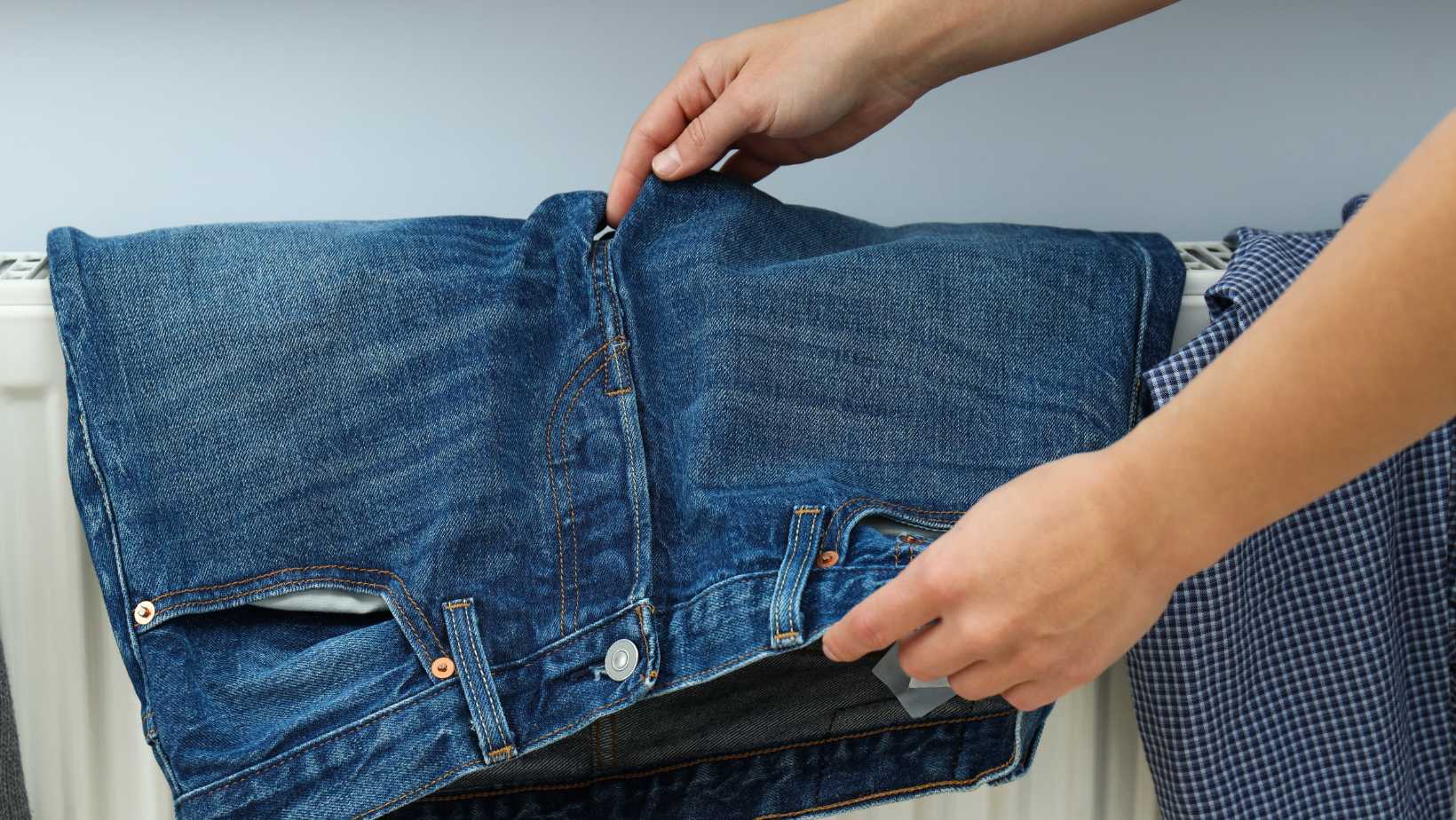
Washing habits matter too. Wash cold, hang dry. Heat is denim’s enemy, causing even the best pairs to shrink. You can also spot clean when needed to stretch the time between washes.

Fabric pro tip: Look for jeans made with ringspun cotton or ringspun denim. This yarn construction resists warping, helping your jeans maintain their shape over time, even after repeated wear and washes.

The Need for Constant Tailoring

Every pair feels like it’s almost working, but still needs some adjustments. Waist too loose, rise too short, taper all wrong. If you’re constantly taking new jeans straight to the tailor, you’re not alone.

Most off-the-rack jeans are designed for average proportions. But if you’ve got larger thighs, a smaller waist, or a more muscular build, the standard sizing doesn’t match up. Unfortunately, brands can’t cover every body type, so that “near miss” fit becomes the norm.

Here’s the move: find jeans that get you 80% there, then fine-tune the rest. Waist, taper, and rise adjustments make the biggest difference, and most tailors can handle these quickly and affordably. The result feels like a custom fit, without paying custom prices.

If you’re sick of always adjusting, consider made-to-measure brands. Options like Sene Studio, Unspun, or MTailor allow you to build jeans based on your exact body measurements—no guessing, no extra trips to the tailor.

Budget tip: A leg taper usually runs $15–$25, cheaper than returning three pairs that almost fit. Once you know what to ask for, tailoring becomes a smart shortcut, not a burden.


Quick Reference: Best Brands and Cuts for Big Thighs

No fluff—just solid options that guys with bigger thighs consistently swear by. Based on Reddit threads, reviews, and firsthand testing, here are some of the best jeans for men with big thighs:

  • Levi’s 541 Athletic Taper – Classic and widely available
  • Barbell Apparel – Built for lifters; great stretch and recovery
  • Mugsy Jeans – Super soft with forgiving thigh room
  • Bonobos Athletic Fit – Dressier, with clean tapering
  • American Eagle Athletic Fit – Affordable with great stretch
  • Wrangler ATG / Cowboy Cut – Higher rise and solid seat room

These aren’t trend pieces—they’re dependable fits that work.

Conclusion: Good Fit is Out There

If jeans have never fit quite right, the problem isn’t your legs—it’s the cut. Mass-produced denim wasn’t designed for men with strong thighs, tapered waists, or athletic builds. But the good news? More brands are now paying attention.

Once you know your key measurements and what to look for—rise, thigh room, taper—you’ll stop wasting time on jeans that don’t stand a chance. Tailoring helps close the final gap, and when you find the right fit, you’ll feel the difference every time you move.

The Complete Guide to Jeans for Men with Flat Butt


stretch mens jeans

Finding jeans that fit well can be frustrating, especially when most styles seem designed for guys with more shape in the back. If you’re tired of sagging fabric, gaping waistbands, or jeans that don’t look right from behind, you’re not alone. This guide is packed with practical advice on choosing the best jeans for men with a flat butt—from fit and fabric to pocket tricks and styling tips that make a real difference. Whether you’re shopping on a budget or looking for a tailored upgrade, you’ll find simple, clear answers right here.

Whenever you purchase through links on this page, we make a small commission from Amazon.com and other affiliate partners. Our ultimate goal is to provide our readers with actionable insights and practical tips that they can use to improve their daily lives. Learn more

Understanding the Fit Challenges of a Flat Butt

If you’ve ever tried on a dozen pairs of jeans and still felt like none looked quite right from behind, you’re not alone. A flatter backside can make shopping feel frustrating, especially when most jeans are designed with a fuller shape in mind. Understanding how jeans are built helps you spot what’s working and what’s not.

Many off-the-rack jeans are designed for average-to-full glutes, leaving men with flat butts to deal with excess fabric in the seat area. This extra material doesn’t just feel uncomfortable—it creates sagging, droopy lines that visually shrink your rear even more. Jeans that look crisp on a hanger often end up looking deflated when worn without the right fit.

One of the most obvious signs of a bad fit is bagginess below the back pockets. If the denim bunches or folds at the seat, it’s not providing the support or shaping you need. Sagging crotch seams and gapping waistbands are also clues that your jeans weren’t cut with your body type in mind. Instead of lifting or defining, they make your silhouette disappear.

What makes a good fit? You’re looking for a seat that hugs without pulling, a back yoke that creates lift, and seams that follow your natural lines. The fabric should contour gently without clinging like leggings. Think smooth support, not tight compression.

Lastly, this isn’t just about appearance. If you’ve ever felt self-conscious or avoided certain outfits because they make your backside look flat, it affects how you show up. A better fit can change your posture, your comfort, and your confidence. Jeans should work for your shape, not against it.

Best Jean Fits for Men with Flat Butts

Choosing the right fit is the fastest way to improve how jeans look on a flatter backside. The wrong cut can exaggerate what you’re trying to minimize, while the right one adds shape, structure, and balance. Here’s how to find fits that do your body justice—without sacrificing comfort.

Slim, straight, and athletic fits are your best bet. Skinny jeans hug the hips and seat just enough to add structure without squeezing. Straight-leg jeans offer a cleaner line down the leg, which can create a stronger silhouette. Athletic fits give more room in the thighs but taper below the knee—great if you want balance without bulk. Avoid relaxed or loose fits that drown your shape from the waist down.

Rise height makes a big difference in shaping. Low-rise jeans sit below the hips and often highlight a flat butt in the worst way. Mid-rise jeans usually hit just below your navel and are more flattering—they gently lift and support the seat. High-rise jeans can help too, especially when paired with a tucked-in shirt, but only if they fit snugly without gapping at the back.

To avoid excess fabric around the rear and thighs, look for jeans labeled as “trim seat” or “contoured fit.” These styles reduce the bunching that happens when jeans are too baggy in the wrong spots. If the denim doesn’t follow your natural curves, it tends to sag and fold, creating extra volume where you don’t want it.

Tapered leg openings also play a big role. When the leg narrows toward the ankle, it visually pulls the eye upward, making your hips and backside look more defined. Flared or wide-leg jeans do the opposite. They make your shape disappear by adding weight to the lower areas. A clean, tapered finish helps create a well-proportioned frame.

Choosing the Right Denim Fabric

Fabric matters more than most guys think, especially when you’re working with a flatter backside. The way denim moves, holds its shape, and hugs your body all comes down to the material blend. Choosing the right fabric provides built-in shaping, eliminating the need for extra padding or layers.

Stretch denim is the go-to for a reason. Unlike stiff, traditional denim, it includes elastane or spandex that helps the jeans mold to your body. This flexibility is especially useful when your jeans need to create shape where there isn’t much natural curve. It also improves comfort—stretch denim moves with you instead of sagging or pinching.

Denim weight also affects the appearance and feel of jeans. Lighter denim (under 10 oz..) tends to drape loosely and lacks structure, which can make your butt look even flatter. Medium to heavier-weight denim (11–14 oz..) holds its shape better, smoothing over flatter areas and giving a cleaner, more defined fit. It offers gentle resistance, which creates a subtle lift effect at the seat.

Recovery is another important factor—this is the fabric’s ability to bounce back after you sit or move. Denim with poor recovery stretches out in the seat and knees, leading to sagging fabric and a sloppy fit. Good recovery means your jeans will maintain their shape throughout the day, making your rear look more fitted and firm.

Look for denim blends that combine cotton with 1–3% elastane or Lycra. Some jeans also include polyester for extra durability. These blends offer structure without stiffness, so your jeans naturally contour your body. The right blend will hug just enough, hold up over time, and help visually boost your backside without overcompensating.

Pocket Placement: The Underrated Game-Changer

You might not notice pocket placement when trying on jeans—but it makes a huge difference for how your backside looks. For men with flatter butts, the pocket shape, size, and location can either build the illusion of lift or drag everything down.

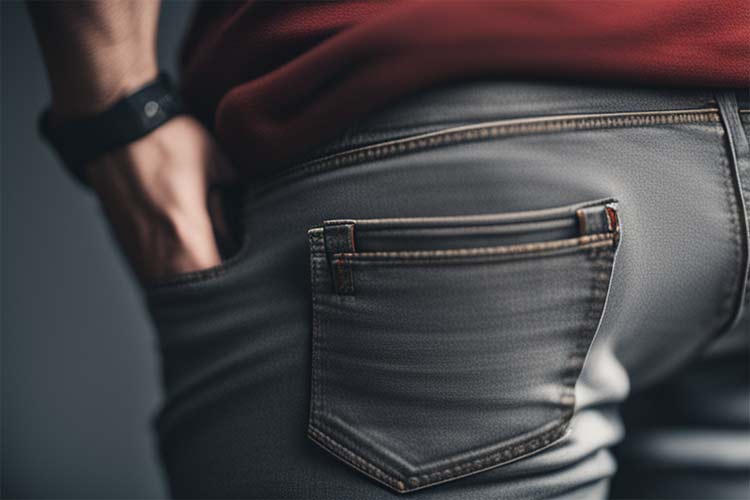
Start with a pocket-sized. Small to medium pockets tend to flatter a flat butt by visually concentrating space and adding bulk where it’s needed. Large pockets do the opposite—they dominate the seat area, making it look longer and flatter. If the pockets extend below the bottom curve of your butt, they’ll only stretch the look downward.

Now look at where the pockets sit. You want them positioned slightly higher on the seat, so they don’t sag toward the thighs. High-set pockets create the appearance of lift by visually pushing everything upward. Pockets that sit too low pull the eye downward and emphasize a lack of volume in the rear. The sweet spot is centered just above the midpoint of your butt.

The angle of the pockets matters, too. A slight inward tilt—where the pocket corners point toward your tailbone—can create a rounding effect. It adds dimension where your jeans might otherwise look too flat. Pockets placed too far apart flatten things even more. Keep them closer to the center without actually overlapping.

Brands that focus on fit usually put extra care into pocket styling. Look for angled stitching, subtle fading, or flap details—all of these features can build depth. Avoid bold embroidery or flashy stitching, as they tend to draw attention to the lack of shape rather than fixing it.

Styling Tips to Enhance a Flat Butt

Even with the right jeans, the way you style the rest of your outfit can significantly impact how your body looks. Strategic layering, shirt choices, and smart accessories can all shift focus upward and balance out a flat backside without needing drastic changes or uncomfortable fixes.

Start by layering to draw the eye up. Lightweight jackets, hoodies, or flannel shirts worn open over a tee help add volume to your upper body. This creates contrast between your top and bottom halves, making your lower half appear more voluminous in comparison. Denim jackets or utility shirts work well for this, especially if they hit above the waistline.

Shirts that create visual structure can also be helpful. Henleys, polos, and slim-fit button-downs provide form and shape up top. Avoid super-long or oversized shirts—they cover the butt completely and make your frame look off-balance. Shirts that end around your beltline keep your proportions looking natural. A half-tuck or front-tuck can also break up the silhouette and show off the waistband of your jeans.

Belts can be your secret weapon. A bold belt buckle or a well-fitted leather belt naturally brings attention to your waist and seat area. Tucking in your shirt—even partially—lets the belt do its job. It helps define your midsection and draws the eye right where you want it.

Footwear finishes the look. Slim sneakers, Chelsea boots, or loafers with a slight heel give a subtle lift and elongate your legs. Avoid heavy or bulky shoes that visually weigh you down. When your boots are sleek, they reinforce a cleaner silhouette and keep the focus upward, helping your jeans do more visual work from the waist down.

Fit Adjustments and Tailoring Tricks

Sometimes even your best-fitting jeans need a little help. If the rear looks saggy or the legs feel too loose, small adjustments can turn “just okay” jeans into your go-to pair. Tailoring makes off-the-rack jeans fit like they were made for you—and it’s more affordable than you’d think.

One of the most common alterations is seat reduction. A tailor can take in the fabric around your butt and upper thighs to remove sagging and tighten the fit without making the jeans uncomfortable. This subtle lift makes a big visual difference, especially for flat butts. You can also ask for a back-yoke adjustment to bring the waistband and seat into better alignment.

Tapering the legs is another easy fix. If the leg opening is too wide or the jeans feel baggy around the calves, tapering adds structure and balances out the fit. A gradual taper from the knee down creates a cleaner line, making your silhouette look more proportionate overall. This is especially useful if your jeans fit well in the waist and seat but feel loose in the lower areas.

Whether you go the DIY route or work with a pro depends on your confidence and tools. Taking in legs or hemming is possible at home with a good sewing machine and some practice. But for seat alterations or waistband tweaks, it’s best to trust a professional tailor. These changes require precision to maintain comfort and durability.

Tailoring costs can vary, but many adjustments fall in the $15–$40 range. Compared to replacing your jeans entirely, these small investments extend the life of your wardrobe and save money over time. One well-fitted pair is better than three mediocre ones.

Best Jeans Brands for Men with Flat Butts

Some brands get it. They design jeans with better fits, smarter pocket placement, and fabric that works with your body. If you’ve got a flatter butt, these brands consistently deliver options that flatter without faking it—and you won’t need a tailor right out of the gate.

Bonobos is a standout for its tailored approach. Their “Stretch Washed Denim” and “Premium Jeans” lines offer a trim seat and a curved waistband that hugs without gapping. Bonobos’ athletic and slim taper fits are especially strong choices if you want shape with room in the thighs. Prices usually range from $99–$145, and their try-at-home options make sizing easier.

Levi’s offers solid fits at all price points, and their 511 Slim and 512 Slim Taper jeans are the most flattering for flatter backsides. The seat is snug but not tight, and the pocket placement is usually right where you want it. Available everywhere, you can try them in-store or order online with free returns. Expect to pay $70–$98 at retail, though discounts are common.

Paige jeans come at a higher price point, but their premium stretch denim and spot-on fit in the seat make them worth a look if you want polished comfort. The Lennox and Federal styles have clean tailoring and minimal detailing that flatter a flat butt without overcomplicating the look. Expect to pay around $180–$210.

AG Jeans (Adriano Goldschmied) builds its jeans with shaping in mind. Their “Graduate” and “Tellis” styles offer a fitted seat, mid-rise, and tapered leg—all ideal for creating structure. The soft stretch fabric keeps the shape locked in. AG runs about $160–$200, and their jeans hold up well over time.

Wrangler Slim Fit jeans offer great structure at a budget-friendly price. Their “Retro Slim Fit” and “Slim Straight” lines feature high back pockets and rigid denim that maintains its shape. These jeans usually cost under $60 and are easy to find in stores or online.

Budget-Friendly Options That Still Flatter

You don’t need to spend $150 on jeans that fit well and enhance your shape. With the right shopping strategy, you can find affordable jeans that still offer structure, smart pocket design, and flattering cuts—even under $75.

Start with brands like Uniqlo, Old Navy, and Target’s Goodfellow & Co. These offer slim and tapered fits with decent fabric recovery and minimal sag in the seat. Uniqlo’s stretch denim holds shape well and runs around $50. Goodfellow jeans often include tapered options with solid pocket placement for just $30–$40.

Secondhand shops and resale platforms can be goldmines for quality denim. Thrift stores, Poshmark, and eBay regularly carry premium brands like Levi’s, Bonobos, and AG for half the price. Filter by your waist size and preferred fit (e.g., “slim taper” or “athletic cut”), then check the return policies. Bonus: Many jeans are barely worn or still new with tags.

For stretch denim under $75, keep an eye on sales. Retailers like Nordstrom Rack, Kohl’s, and Macy’s often carry past-season Paige, Levi’s, and Wrangler styles with discounts up to 60%. Watch for phrases like “slim seat” or “flex fit” on product pages—they’re often clues to better shaping.

Lastly, shift your mindset from brand-first to fit-first. A no-name pair with a great seat, mid-rise waist, and close-cut leg is a better choice than a trendy label that bags in all the wrong places. Try on multiple fits, take photos in the dressing room, and trust your instincts about how the jeans look and feel, not just what the tag says.

Mistakes to Avoid When Shopping for Jeans

It’s easy to grab the wrong pair when shopping feels rushed, or when trends lead the way. But if you’ve got a flatter backside, a few common mistakes can make jeans look worse instead of better. Here’s what to steer clear of so you don’t waste time or money.

Skip overly baggy or ultra-skinny fits. Loose styles sag in the seat and exaggerate flatness. On the flip side, super skinny jeans cling too much and can highlight exactly what you’re trying to downplay. Instead, go for slim, straight, or tapered cuts that define without squeezing.

Watch the rise. A rise that’s too low makes your backside look longer and flatter. High-rise jeans can work if they fit your waist snugly, but the safest bet is often a mid-rise. It balances proportions and helps lift the seat area naturally. Always check where the waistband hits and how the rear seams fall.

One of the biggest mistakes is ignoring rear fit while focusing only on the waist. Just because the waistband feels good doesn’t mean the rest of the jeans do. Always check the mirror from behind—look for sagging, bunching, or gapping pockets. The seat should contour, not collapse.

Don’t fall for trends that don’t match your body. Wide legs, flared styles, and dropped crotch jeans may be popular, but they rarely flatter a flat butt. Aim for timeless fits that consistently work with your shape. Fashion shifts, but a well-fitted rear never goes out of style.

Final Checklist: How to Know You’ve Found the Right Pair

Once you’ve tried on a few options, how do you know when you’ve found a pair that fits you, not just your waist? Use this quick checklist to spot a winner before taking them home or hitting “buy now.”

Walk, sit, and bend. Movement should feel natural—no pinching, sagging, or slipping down. Sit down and check the waistband. If it gaps at the back, the rise or cut might be wrong. If it pinches, consider sizing up and tailoring the waist for a perfect match.

Check the rear view. The jeans should contour your butt without bunching or pulling. You want a smooth fit across the seat with enough structure to hold shape. If the fabric droops under the pockets or flattens out completely, keep looking.

Waist fit matters—but so does hold. A good fit means the waistband stays up without a belt but still feels comfortable. You should be able to slide a finger in, but not a full hand. If the waistband fits but the seat doesn’t, try a different cut, not a different size.

Ask: Can I wear these for more than one thing? Your best jeans should work for errands, casual nights out, or even dressed up with a blazer. If they look great from all angles, feel good, and can be worn a few ways, they’re worth keeping.


Explore More Fashion

Best Jeans For Men With No Butt To Buy Online
8 Best Mens Jeans That Stretch

5 Best Jeans for Men with Skinny Legs That Actually Fit Right

7 Common Struggles with Jeans for Men with Big Thighs

5 Jeans for Older Men Who Hate Skinny Fits

8 Best Slim Fit Jeans for Men with Stretch & Durability

5 Best Jeans for Men with Skinny Legs That Actually Fit Right


a tall man in a stretch jeans pants

If you’ve got thin legs, you already know that most jeans aren’t made with you in mind. You try on pair after pair, only to find saggy knees, baggy thighs, or denim that stacks awkwardly at the ankles. Not a great look.

The truth is, most jeans are cut for average to athletic builds, not for guys with lean frames. So if you’ve ever felt frustrated in a fitting room or avoided jeans altogether, you’re not alone. But the good news? Some jeans are suitable for slim legs, and this guide will help you identify the best ones.

In this no-fluff guide, you’ll learn:

  • The 5 best jeans for guys with skinny legs (including budget options and fit tips)
  • How to spot cuts that flatter lean builds — and avoid those that don’t
  • Styling tricks to balance out proportions without adding bulk
  • And even how to build bigger legs (if that’s your goal) while still dressing sharp

Let’s cut through the sizing confusion, skip the baggy fits, and get you into jeans that look like they were made for your frame.

Whenever you purchase through links on this page, we make a small commission from Amazon.com and other affiliate partners. Our ultimate goal is to provide our readers with actionable insights and practical tips that they can use to improve their daily lives. Learn more

Why Most Jeans Look Awful on Skinny Leg Men

Finding jeans that fit lean legs isn’t just about size — it’s about proportion, taper, and fabric. If your jeans look sloppy, oversized, or bunched up, the problem isn’t your legs — it’s the cut. Here’s how to fix the fit issues that make slim builds hard to shop for.

Many jeans are cut with extra fabric through the thigh and seat, even in “slim” sizes. On skinny legs, that extra room creates sagging and wrinkles that kill the fit. You’ll often see excess denim pooling at the knees or hanging loose at the back of the thigh — signs that the cut isn’t working with your frame.

The taper is another issue. Jeans that don’t narrow properly from the knee to the ankle end up looking straight and shapeless. That creates the dreaded “ice cream cone” effect — skinny legs on top, wide cuffs below. A good taper hugs the leg without clinging, giving structure and a clean silhouette.

You also want to watch out for low-rise jeans. On thin builds, these can exaggerate long torsos or make legs look even skinnier. Mid-rise jeans usually strike a better balance, hitting around the natural waist and improving proportion.

A well-fitting pair of jeans on slim legs should follow the natural line of your leg without clinging or ballooning. It should sit flat against your thighs, taper neatly to your ankle, and avoid bunching at the knees or calves. When you get it right, jeans don’t just “fit” — they add structure and shape to your build.


5 Best Jeans for Men with Skinny Legs Without Bunching or Sagging

Not all jeans are cut the same, and when you’ve got lean legs, you need more than just a small waist size. You need jeans that are narrow in the thigh, clean through the knee, and tapered just right at the ankle. These 5 options are some of the best-reviewed and field-tested by guys with slim builds.

Levi’s 511 Slim Fit

Available On Amazon

Levi’s 511s are the go-to starting point for slim guys. They’re not skin-tight but still hug the thigh and taper below the knee — a solid everyday fit that doesn’t overwhelm small frames. The fabric has just enough stretch to keep things comfortable without losing shape. Bonus: available in nearly every wash and color.


Duer Slim Performance Denim

Available On Amazon

Duer jeans combine athletic stretch with sharp tailoring. Even though they’re built for comfort and flexibility, they keep a nice taper that flatters lean legs. Ideal for men seeking mobility for biking, commuting, or active days without compromising style.


Amazon Essentials Skinny-Fit Stretch Jeans

Available On Amazon

Surprisingly decent fit for the price. These are basic, but they run slim and taper properly — a rare combo in budget jeans. Stretch fabric adds comfort, and the rise works well for men with a slimmer build. A safe pick if you’re testing fits before spending more.

Lee Legendary Slim Straight Jeans

Available on Amazon

These strike the perfect balance between being slim and straight. If you’re not into tight jeans but want to avoid baggy thighs, this cut holds shape without clinging. They have a slightly more relaxed fit that’s great for layering or casual outfits.


Lee Extreme Motion Skinny Fit Jeans

Available On Amazon

These are built for stretch and movement, but the skinny cut keeps things lean from top to bottom. Ideal for athletic or tall, skinny individuals seeking ample room at the waist and thighs without the legs becoming overly bulky.


What Jean Cuts Work for Skinny Leg Guys?

If your jeans feel off, chances are the cut is to blame. Choosing the right shape can completely change how your legs look — and how confident you feel wearing them. Let’s break down the cuts, materials, and details that flatter thin builds.

Skinny vs. Slim vs. Tapered vs. Straight Fit
Skinny jeans hug the leg from hip to ankle, creating the cleanest silhouette for very lean legs. They work best when you want a sharp look with no extra bulk. Slim fits are a step looser, still fitted through the thigh but with a bit more ease. Tapered jeans are great if your waist and hips are average, but your calves are narrow — they start roomy and narrow down. Straight cuts? These often look boxy on thin legs unless tailored — they tend to ignore the natural taper most thin legs have.

Stretch Denim Makes a Huge Difference
Look for jeans with 1–2% elastane or spandex. That small bit of stretch allows skinny or slim fits to move with you instead of pulling at the knees or digging into the hips. Rigid denim may hold its shape longer, but it doesn’t contour as well to slim legs, especially right out of the dryer.

Mid-Rise vs. High-Rise: Which Works Best?
Low-rise jeans can look awkward on slim guys, especially if you’re tall or have a longer torso. Mid-rise usually hits at the natural waist, which helps maintain better proportion and avoids that sagging beltline look. High-rise jeans are a great choice if you’re aiming for a vintage look or want to visually elongate your legs.

Color and Wash: Use Tone to Your Advantage
Darker washes — like black, charcoal, or indigo — tend to make thin legs look fuller. Light washes and heavy distressing draw more attention to the legs’ shape and can exaggerate skinniness. For everyday wear, stick to solid dark or medium blue washes with minimal fading for a cleaner, more structured look.


How to Style Skinny Legs with Jeans: Easy Outfit Formulas That Work

Wearing jeans that fit is half the battle — the other half is styling them right. The wrong top or shoes can make slim jeans feel unbalanced. But the good news? With a few smart swaps, you can make your frame look more proportionate and pulled together.

Layering Tricks That Add Balance
If your jeans fit closely, try layering up top to offset them. A light jacket, overshirt, or hoodie can add structure and volume around the shoulders. This shifts the visual balance away from your legs. Avoid super-long or drapey tops — they’ll exaggerate the narrow lower half. Instead, aim for tops that hit around the hip with a slightly boxier or cropped cut.

Best Tops and Shoes to Pair with Slim Jeans
Crewneck sweaters, denim jackets, and bomber jackets all pair well with skinny or slim jeans. They create a visual “anchor” at your shoulders. For footwear, chunkier sneakers, Chelsea boots, and even high-tops help balance out the taper at the ankle. Avoid ultra-slim shoes or dress loafers unless the jeans are a bit looser at the hem.

How to Avoid the “Chicken Leg” Look
This happens when your jeans cling too tightlymaking your top half look too big or busy. To avoid it, don’t size down too far on your jeans, and avoid super-tight ankle openings if your calves are very thin. Add visual weight at the top (layers, textures) and wear socks or shoes that visually extend the leg line.

Casual and Smart-Casual Outfit Ideas
For casual days, try a combination of skinny black jeans, plain white tee, overshirt, and high-top sneakers for a clean and balanced look.
Smart-casual? Try a combination of slim dark denim, a fitted button-down, a lightweight bomber, and suede Chelsea boots. These formulas create symmetry without overdressing or looking forced.


Don’t Just Wear Jeans: Best Pants for Slim Guys Who Want Options

Jeans aren’t the only pants that can work for slim legs; rotating in other styles can also make your outfits look more intentional. The right fit in chinos, joggers, or even tailored trousers can add variety without sacrificing comfort or style.

Slim-Fit Chinos Add Versatility Without the Bulk
Chinos are a great upgrade from jeans for a sharper look. Go for styles labeled “slim fit” or “skinny fit” — not “straight.” Look for a slight taper through the leg and lightweight fabric with a touch of stretch. Brands like Bonobos, Uniqlo, and J.Crew offer solid options for lean frames.

Joggers That Don’t Swallow Your Legs
Not all joggers are baggy and saggy. Many newer styles are designed to be slim, featuring tapered legs and cuffed ankles that complement your frame. Look for styles with structured fabric or a tailored fit. Neutral colors like charcoal or olive can be dressed up or down easily.

Dress Pants and Slim Trousers That Fit
Need something office-appropriate or for a night out? Go for wool-blend trousers labeled “slim” or “trim fit.” Avoid pleats and heavy cuffs, which add unnecessary volume. A flat front and tapered leg create a sleek silhouette that works with slim builds.

Make the Whole Outfit Flow
Whatever pants you choose, keep the rest of your outfit in mind. Fitted pants pair best with tops that follow your shape without clinging. You’re aiming for consistency in silhouette, not tight-on-bottom, oversized-on-top clashes.


Want Bigger Legs? Here’s How to Train and Eat for Growth

If you’re tired of jeans looking too loose in the thighs — or you want a little more shape in your lower half — you can build bigger legs. But it takes smart training, the right foods, and consistency. No supplements or weird programs needed.

Focus on Compound Leg Movements
Squats, lunges, deadlifts, and leg presses target multiple muscle groups, making them the most efficient way to build size. Prioritize these over machines or isolation moves. Three workouts per week with progressive overload (adding weight or reps over time) can trigger noticeable growth in a few months.

Eat More Than You Think You Need
Gaining muscle means eating in a small surplus — usually 250–500 calories above your maintenance. Focus on protein-rich meals (chicken, eggs, yogurt, beans) and carb sources like rice, oats, and potatoes. Don’t skip fats — they support hormones that aid muscle recovery.

Be Patient — Progress Takes Time
You won’t see major gains in 2 weeks, but staying consistent will lead to changes. Track your lifts, take progress pics monthly, and stick to the basics. Skip fad routines or overtraining. A steady, repeatable plan builds stronger legs and a better jeans fit.

Dress for the In-Between Phase
As your legs grow, your old jeans might get snug in the thighs but still loose below the knee. This is when tapered jeans shine — they offer a little more room up top but still look clean at the ankle. If fit feels off, consider tailoring to adjust without replacing your entire wardrobe.


When Jeans Don’t Fit Right: Easy Tailoring Fixes Every Slim Guy Should Know

Sometimes, even the best jeans off the rack just don’t fit perfectly, especially if you’ve got slim legs. But before you return them or let them sit untouched in your closet, it’s worth knowing what a tailor can fix (and what’s not worth the effort).

When to Consider Altering Your Jeans
If the waist fits but the thighs are baggy, or the leg opening flares too wide, tailoring can bring things back in line. Jeans that fit 80% right — especially in the waist and rise — are often worth saving. If you find a brand that’s great up top but sloppy at the bottom, tapering can make all the difference.

What Tailoring Costs
Basic tapering from the knee down usually runs $15–$25. Hemming (shortening the length) is around $10–$20. Most tailors can handle denim, but ask first — some may avoid stretch blends or styles with heavy fading.

What’s Worth Fixing vs. Returning
If the jeans are too loose all over or have weird pocket placement, skip the tailor and return them. The same goes for major rise issues or bunching in the seat. But if the taper or hem is the only problem, it’s often a fast fix that makes a big impact.

Stretch vs. Rigid Denim and Altering
Jeans with stretch are usually easier to taper, since they conform better to body shape. But some tailors struggle with very stretchy fabrics — they can twist or ripple. Rigid denim holds shape well but may cost slightly more to taper cleanly due to thicker seams.


Your Final Fit Checklist: How to Tell If Jeans Fit Skinny Legs

Before you commit to a new pair of jeans, run through this quick checklist. It only takes a minute — and it’ll save you from wasting money on fits that sag, bunch, or don’t work.

Waist: Should sit snug, without needing a belt or pinching when you sit.

Thigh: Follow your natural shape — not loose, not skin-tight. No ballooning.

Knee to Ankle: Look for a clean taper—no flaring, pooling, or extra folds.

 Stretch Check: Jeans with 1–2% elastane or spandex give just enough movement without looking like leggings.

Walk Test: Sit, squat, and walk. The jeans should move with you — no tugging or tightness at the knees.

Rear View: No sagging below the pockets or bagginess under the seat. It should contour, not hang.

Jeans that pass this list should look sharp and feel comfortable, right off the rack or with minimal tweaking.


Dark Wash Jeans Explained: From Indigo to Dark Rinse


man in dark wash jeans

Jeans have long been a fashion staple, cherished for their versatility and timeless appeal. Among the various denim options available, different washes play a crucial role in defining their style and suitability for different occasions. Dark wash jeans, in particular, offer a sophisticated and polished look that can easily transition from casual to formal settings.

This article delves into the world of dark wash jeans, exploring their characteristics, history, and the subtle distinctions between various types of dark denim. Let’s delve into the essentials of dark wash jeans and explore their distinctive charm.


Whenever you purchase through links on this page, we make a small commission from Amazon.com and other affiliate partners. Our ultimate goal is to provide our readers with actionable insights and practical tips that they can use to improve their daily lives. Learn more


What is a Dark Wash Jeans?

Dark wash jeans are a type of denim characterized by their deep, rich hues, typically achieved through minimal washing after the dyeing process.

These jeans often come in shades of indigo, black, or dark grey, offering a more refined and sophisticated appearance compared to lighter washes. The fabric tends to retain much of its original dye, resulting in a uniform and vibrant color that can elevate both casual and formal outfits.

Historically, dark wash jeans emerged as a practical choice for workers due to their durability and ability to conceal stains. Over time, they gained popularity in mainstream fashion, becoming a symbol of effortless style and versatility.

The evolution of dark wash jeans saw them transition from workwear to a fashionable wardrobe essential, embraced by designers and fashion enthusiasts alike.


What Does “Dark Wash Jeans” Mean?

“Dark wash jeans” refers to denim that retains a deep, rich color due to minimal washing after the dyeing process. This process involves immersing the fabric in indigo dye multiple times to achieve a dark, uniform hue.

Unlike lighter washes, dark wash jeans undergo limited washing to preserve their saturated color, resulting in a polished and sophisticated appearance.

The creation of dark wash jeans begins with the dyeing process, followed by a gentle washing that softens the fabric while preserving its deep color. This treatment distinguishes dark wash jeans from other denim types, offering a cleaner and more refined look.


What is the Difference Between Indigo and Dark Wash?

Indigo jeans and dark wash jeans, while often used interchangeably, have distinct differences in terms of color, fabric, and style. Understanding these differences can help you make more informed fashion choices and appreciate the nuances of denim more effectively.

Indigo Jeans:

  • Indigo jeans are dyed with a traditional indigo dye, which gives them their signature blue color.
  • The indigo dyeing process involves dipping the denim fabric multiple times in vats of indigo dye, resulting in varying shades of blue.
  • This process can create a range of colors from light blue to deep navy, depending on the number of dips and the concentration of the dye.

Dark Wash Jeans:

  • Dark-wash jeans, on the other hand, refer to jeans that have undergone minimal washing after the dyeing process, retaining a darker, more saturated color.
  • These jeans typically use indigo dye as well, but focus on maintaining a deeper hue through limited washing and processing.
  • The result is a richer, more uniform color that sets dark-wash jeans apart from their lighter counterparts.

Comparison of Indigo and Dark Wash:

  • Color: Indigo jeans can range from light to dark blue, while dark wash jeans are characterized by their deep, consistent shades of indigo or black.
  • Fabric: Dark wash jeans tend to have a stiffer feel initially due to the minimal washing, whereas indigo jeans can vary in texture based on the number of washes they have undergone.
  • Style: Dark-wash jeans are often seen as more versatile and suitable for both casual and formal settings. Indigo jeans, particularly lighter shades, are typically considered more casual and are popular in everyday wear.

Benefits and Drawbacks:

  • Indigo Jeans: Offers a range of shades and styles, providing versatility in casual wear. However, they can fade over time with washing and wear.
  • Dark Wash Jeans: Maintain a rich, uniform color that is less prone to noticeable fading and stains. They can be styled for various occasions, making them a versatile wardrobe staple. The drawback is that they may require more breaking in due to their initial stiffness.


What is the Difference Between Light, Medium, and Dark Wash Jeans?

Jeans come in a spectrum of washes, each offering unique characteristics and styling possibilities. Understanding the differences between light, medium, and dark wash jeans can help you choose the right pair for any occasion.

Light Wash Jeans

  • Characteristics: Light-wash jeans undergo a heavy wash after dyeing, resulting in a faded, lighter color. They often have a softer feel due to extensive washing. These jeans are typically associated with a more casual, relaxed look.
  • Styling Tips: Pair light-wash jeans with light, airy colors such as pastels or whites for a fresh, summery look. They work well with casual tops, such as t-shirts, hoodies, or casual button-down shirts. Avoid doubling up on light denim unless there is a significant difference in shades, as this can lead to a washed-out look.

Medium Wash Jeans

  • Characteristics: Medium wash jeans fall in the middle of the denim spectrum, offering a balanced blue hue. They are washed enough to achieve a mid-range shade, without the extreme lightness of a light wash or the depth of a dark wash. Medium wash jeans are versatile and can be dressed up or down.
  • Styling Tips: Medium wash jeans pair well with almost any color, making them a versatile wardrobe staple. They can be worn with both casual and semi-formal attire, such as sweaters, blazers, or button-up shirts. For a balanced look, pair medium-wash jeans with neutral tones or contrasting textures.

Dark Wash Jeans

  • Characteristics: Dark wash jeans retain much of their original dye, resulting in a deep, rich color. They tend to have a stiffer feel initially but soften with wear. These jeans are often seen as more polished and suitable for both casual and formal settings.
  • Styling Tips: Dark wash jeans look great with neutral colors, primary tones, or other shades of denim for a sleek, coordinated look. They can be dressed up with a blazer and dress shoes for a smart-casual outfit or dressed down with a sweatshirt and sneakers for a more relaxed vibe. The deep color of dark-wash jeans makes them ideal for creating a slimming effect.

Detailed Comparison of Washes

  • Color Variations:
    • Light wash: Pale blue to almost white.
    • Medium wash: True blue, offering a balanced hue.
    • Dark wash: Deep indigo to black.
  • Fabric Treatment and Feel:
    • Light wash: Soft and broken-in due to extensive washing.
    • Medium wash: Balanced softness with some structure.
    • Dark wash: Initially stiff but softens over time with minimal washing.
  • Suitable Occasions and Styling Tips:
    • Light wash: Casual, everyday wear, ideal for summer.
    • Medium wash: Versatile for casual to semi-formal occasions.
    • Dark wash: Suitable for both casual and formal settings, providing a polished look.


What Color is Dark Rinse Jeans?

Dark rinse jeans are a specific type of dark wash jeans that undergo a unique treatment to achieve their distinctive color. Unlike other dark-wash jeans, dark rinse jeans are characterized by a deep, uniform hue that is achieved through a single rinse after the dyeing process.

This minimal washing preserves the richness of the dye, resulting in a sleek and polished appearance.

Characteristics of Dark Rinse Jeans:

  • Color: Dark rinse jeans typically come in shades of deep indigo, almost black, or very dark blue. The color is consistent and uniform, with minimal fading or distressing.
  • Fabric: The fabric tends to be stiff initially due to the minimal washing process. However, it softens over time with wear, maintaining its durability and structure.
  • Appearance: The deep, rich color gives dark rinse jeans a clean and sophisticated look, making them suitable for a variety of occasions, from casual outings to more formal events.

Comparison with Other Dark Wash Jeans:

  • While all dark-wash jeans aim to retain a deeper color, dark rinse jeans are specifically noted for their consistent and even shade. Other dark wash jeans may have slight variations in color due to additional washing and treatments.
  • Dark rinse jeans typically have a more polished finish compared to other dark wash jeans, which often feature subtle fading or whiskering for a more worn-in appearance.

How to Identify Dark Rinse Jeans:

  • Look for jeans labeled as “dark rinse” or “rinse wash” on the tags or descriptions.
  • Check the color: Dark rinse jeans should have a deep, almost uniform color with minimal to no fading.
  • Feel the fabric: Dark rinse jeans will feel slightly stiffer initially compared to more washed-out jeans.

Styling Tips for Dark Rinse Jeans:

  • Casual Look: Pair dark rinse jeans with a simple white t-shirt and sneakers for a classic, clean-cut look. Add a denim jacket or a bomber jacket for an extra layer.
  • Smart Casual Look: Combine dark rinse jeans with a button-up shirt and a blazer for a polished yet relaxed outfit. Finish the look with loafers or dress shoes.
  • Formal Look: For a more formal setting, wear dark rinse jeans with a crisp dress shirt, a tailored blazer, and leather dress shoes. The deep color of the jeans will complement the formal attire, providing a sophisticated appearance.


Conclusion

Dark wash jeans, with their deep and uniform colors, offer a versatile and polished option for any wardrobe. From indigo to dark rinse, these jeans provide a range of styles suitable for both casual and formal occasions. Their rich hues and durable fabric make them a timeless choice that can be easily dressed up or down.

7 Most Popular Jean Styles for Men You Need to Try


Best tall Skinny Guys jeans


When it comes to updating your wardrobe, jeans are an essential item that can’t be overlooked. In 2024, identifying the most popular men’s jean styles is crucial for staying stylish and comfortable. Whether you’re after a classic, relaxed fit or trendy skinny jeans, finding the right style can make all the difference.

As someone who’s been through the highs and lows of jean shopping, I get it – finding that perfect pair is like finding a needle in a haystack. Let’s explore the top 8 jean styles that every man should try this year.


Whenever you purchase through links on this page, we make a small commission from Amazon.com and other affiliate partners. Our ultimate goal is to provide our readers with actionable insights and practical tips that they can use to improve their daily lives. Learn more


Relax Fit Style Jean

Buy On Amazon

Classic relax fit jeans are the epitome of timeless style and comfort. Known for their roomy cut through the hip and thigh, these jeans offer a relaxed yet stylish appearance. They remain a popular jean styles for men due to their versatility and ease of wear, making them a favorite across generations. Brands like Levi’s and Wrangler consistently produce high-quality relax fit jeans that withstand the test of time.

Styling these jeans is effortless; they pair perfectly with casual t-shirts for a laid-back look or dress shirts for a more polished appearance. Ideal for everyday wear, classic relax fit jeans are a must-have in every man’s wardrobe.


Straight Leg Jeans

Buy On Amazon

Straight-leg jeans are defined by their uniform width from the thigh to the ankle, offering a clean and classic silhouette. Their versatility makes them suitable for a wide range of body types, providing a balanced look that can be dressed up or down. Brands like Levi’s, Wrangler, and Lee are renowned for their high-quality straight-leg jeans, which offer a range of washes and finishes.

These jeans are perfect for both casual and semi-formal occasions, making them one of the most popular men’s jean styles. For a relaxed look, pair them with a t-shirt and sneakers. To achieve a more polished appearance, combine straight-leg jeans with a button-down shirt and loafers. Their adaptability and timeless style make straight-leg jeans a staple in any man’s wardrobe.


Eco-Friendly Jeans

Buy On Amazon

With the growing importance of sustainability in the fashion industry, eco-friendly jeans have become a significant trend. These jeans are made from environmentally conscious materials, including organic cotton, recycled fibers, and low-impact dyes. Brands such as Levi’s, Nudie Jeans, and Patagonia lead the way in producing eco-friendly denim collections that minimize environmental impact.

When purchasing eco-friendly jeans, look for certifications such as GOTS (Global Organic Textile Standard) or Fair Trade labels to ensure authenticity. To maintain their eco-friendly benefits, wash these jeans less frequently and use cold water to extend their lifespan. Embracing eco-friendly jeans not only supports sustainable practices but also adds a touch of conscious style to your wardrobe.


Loose Fit Jeans

Buy On Amazon

Loose-fit jeans offer a relaxed and comfortable style, with a generous cut through the hips, thighs, and legs. These jeans are ideal for those who prefer a more relaxed look or require extra room for movement. Best suited for taller and larger body types, loose-fit jeans provide a casual vibe that’s easy to wear. Popular brands like Levi’s, Carhartt, and Dickies offer a variety of loose-fit options.

When styling loose-fit jeans, balance the volume by pairing them with a fitted top or a tucked-in shirt. This creates a harmonious silhouette that doesn’t look overly baggy. They remain a popular jean style for men who prioritize comfort. Whether you’re running errands or lounging at home, loose-fit jeans ensure you stay comfortable and stylish.


Slim Fit Jeans

Buy On Amazon

Slim-fit jeans are characterized by their narrow cut that closely follows the contours of the body without being too tight. These jeans have become a popular choice among men for their sleek and modern appearance. Brands like Levi’s, Calvin Klein, and Uniqlo offer a variety of slim fit options, catering to different tastes and preferences.

Slim fit jeans work well for men with a lean or athletic build, providing a stylish look that can be dressed up or down. For casual occasions, pair them with a simple t-shirt and sneakers. To elevate your style for a night out, combine slim-fit jeans with a blazer and dress shoes. Their versatility makes slim-fit jeans a must-have in any contemporary wardrobe.


Skinny Fit Jeans

Buy On Amazon

Skinny fit jeans are for the fashion-forward man who isn’t afraid to make a statement. These jeans fit snugly from waist to ankle, offering a sharp, streamlined look. Ideal for men with slender or athletic builds, these jeans emphasize the legs and provide a modern, edgy look. Brands like Levi’s, Topman, and H&M offer a wide range of skinny fit jeans in various washes and finishes.

When wearing skinny fit jeans, it’s crucial to balance the look with appropriate tops; opt for fitted t-shirts or casual button-downs for a cohesive appearance. For a more fashionable ensemble, pair them with a leather jacket and boots. Skinny fit jeans are perfect for making a bold style statement while maintaining a contemporary edge. This distinctive appeal ensures their place as a popular men’s jean style today.


Workwear Jeans

Buy On Amazon

Workwear-inspired jeans draw their roots from traditional workwear, bringing durability and rugged style into everyday fashion. These jeans are made from robust materials, including heavyweight denim and reinforced stitching, designed to withstand tough conditions. Brands such as Carhartt and Dickies are renowned for their high-quality workwear jeans, blending functionality with style.

To modernize the workwear look, pair these jeans with a simple white tee or a flannel shirt and sturdy boots. This combination not only pays homage to the jeans’ origins but also creates a contemporary, stylish outfit suitable for casual outings or weekend adventures.

Conclusion

In 2024, the world of men’s jeans is more diverse and exciting than ever, offering a style for every preference and body type. From the timeless appeal of classic relaxed-fit jeans to the modern edge of skinny-fit jeans, the top 8 styles we’ve explored cater to various tastes and needs. When selecting the right jean style, consider your body shape, comfort, and the desired look.

Don’t hesitate to experiment and find the perfect fit that enhances your personal style. Embrace the versatility of these jeans and enjoy the confidence that comes with wearing the right pair. Happy shopping!


 Frequently Asked Questions

What Is The Most Popular Jean Style For Men?

The most popular men’s jean style in 2024 is the slim fit. Known for its versatility and sleek appearance, slim fit jeans provide a modern look that suits various body types and occasions. They strike a balance between style and comfort, making them a staple in many wardrobes, which can be easily dressed up or down.

What is the difference between regular fit and slim fit jeans for men?

Regular fit jeans have a straight cut from the hip to the thigh, offering more room and a relaxed feel. Slim-fit jeans are narrower, closely hugging the body from the hip to the ankle. While regular fit is comfortable and roomy, slim fit provides a more tailored and contemporary look, perfect for modern styling.

Which is better: slim-fit or straight-fit jeans for men?

Choosing between slim-fit and straight-fit jeans depends on personal style and comfort preferences. Slim-fit jeans offer a sleek, tailored look, ideal for a modern and fashionable appearance. Straight-fit jeans offer a classic, versatile silhouette that suits a wide range of body types. Both styles have their own charm and can be styled for different occasions.

How do skinny jeans compare to slim fit jeans for men?

Skinny jeans are tighter and fit closely from waist to ankle, offering a sharp, streamlined look. Slim-fit jeans, while still fitted, offer a bit more room through the thighs and calves. Skinny jeans are great for making a bold fashion statement, while slim fit jeans offer a more balanced, versatile style for everyday wear.

Are tapered jeans better than straight jeans for men?

Tapered jeans offer a more tailored fit, narrowing from the knee to the ankle, providing a modern, stylish silhouette. Straight jeans maintain the same width from hip to ankle, offering a classic, timeless look. Tapered jeans are great for a contemporary, sleek appearance, while straight jeans are perfect for a traditional, versatile style. The choice depends on personal preference and the desired look.