Welcome to Menstopspot

Recent Posts

Best Cordless Clothes Steamer for Men Who Hate Ironing


Steamer for Clothes and Shirt in Room

Ironing sucks. Most guys avoid it like laundry on a Saturday — but still want their shirts to look crisp, their jackets clean, and their outfits on point. Here’s the fix: a cordless clothes steamer. It’s fast, mess-free, and way less annoying than dragging out the board and waiting on a clunky iron.

Cordless steamers heat up in seconds, smooth out wrinkles in minutes, and fit easily into a drawer, suitcase, or gym bag. They’re perfect for small apartments, rushed mornings, or last-minute clean-ups before a date or meeting. And because they’re battery-powered and portable, you can take them anywhere — no outlet-hunting required.

In this guide, you’ll get the best cordless steamer picks, smart usage tips, real reviews from guys who ditched their irons, and style hacks that’ll make your wardrobe look sharper with zero extra effort.

Whenever you purchase through links on this page, we make a small commission from Amazon.com and other affiliate partners. Our ultimate goal is to provide our readers with actionable insights and practical tips that they can use to improve their daily lives. Learn more

Why Ironing is Outdated for Modern Men

Ironing isn’t just boring — it’s a hassle. Most guys don’t have the patience to set up a board, wait for the iron to heat, then wrestle with sleeves and pleats before rushing out the door. But here’s the thing: looking sharp doesn’t require suffering through all that. Cordless clothes steamers give you the same crisp results, without the stress.

The traditional iron is bulky, slow, and requires multiple components — an outlet, a full-sized board, flat space, and ideally, zero interruptions. One tug of the cord or wrong swipe and you’ve either scorched the fabric or left a new wrinkle. If you live in a small apartment or you’re always short on time, the whole setup becomes impractical.

Cordless clothes steamers skip the drama. These handheld, battery-operated tools heat up in seconds and smooth wrinkles just by gliding them over your clothes while they’re still hanging: no board, no plug, no sweat. You can steam a shirt while scrolling through your emails or watching highlights on your phone.

Here’s the interesting part: steam is gentler on clothes. Unlike irons that press down hard and can burn through delicate fibers, steam relaxes the material without damaging it. That means you can safely use it on dress shirts, wool coats, tees, and even synthetic blends without worrying about shiny patches or burns.

If you’re after a faster, more portable option that fits your lifestyle — especially for everyday use or quick fixes before heading out — a cordless clothes steamer is the upgrade you didn’t know you needed.

What to Look for in a Cordless Clothes Steamer

Not all cordless clothes steamers are created equal. Some run out of juice too fast. Others feel like you’re waving around a kettle. So if you’re investing in one, skip the fluff — these are the features that matter.

Let’s start with battery life and tank capacity. If you only get 3 minutes of steam, that’s not enough to freshen up a shirt, let alone a jacket. Look for a cordless clothes steamer with long battery life — at least 10–15 minutes of continuous steaming. And if it runs on rechargeable power, make sure it supports fast USB-C charging. The water tank should hold enough for at least one full outfit — around 100–150ml is a solid sweet spot.

Heat-up time is where cheap steamers fall apart. If it takes more than 90 seconds to get ready, you’ll lose patience. Go for one with fast heat up — ideally under 30 seconds. Speed makes all the difference when you’re in a rush.

Next, think portability. If you’re in a compact apartment or travel often, a bulky unit defeats the purpose. A compact cordless clothes steamer should be easy to store and light enough to toss into a backpack or weekender bag. Bonus points if it has a travel pouch or foldable handle.

Lastly, check fabric compatibility. Some steamers only perform well on cotton, while others can handle synthetics, wool, and even silk. The best models come with different steam settings or nozzles that let you tackle everything from T-shirts to tailored blazers.

Once you’ve found the right mix of power, portability, and performance, you’re ready to get wrinkle-free with half the effort. Next up: the best cordless clothes steamers for guys who seriously hate ironing.

The Best Cordless Clothes Steamers for Men Who Hate Ironing

If you think all clothes steamers are the same, think again. The wrong one sputters, leaks, and runs out of steam halfway through your shirt. The right one? It makes you forget irons ever existed. Whether you’re a T-shirt guy, suit wearer, or frequent traveler, there’s a cordless model that’ll fit right into your routine — no ironing board required.

Let’s start with a top-rated all-rounder: Steamery Cirrus 3. This one gets a lot of attention for a reason. It’s stylish, heats up in 25 seconds, and handles everything from cotton shirts to wool coats. The battery lasts long enough to steam 1–2 full outfits, making it perfect for everyday use. Its sleek design also means it won’t look out of place sitting on a dresser or suitcase. This is the go-to cordless clothes steamer for men’s suits, dress shirts, and blazers who want power without bulk.

On the affordable side, Conair Turbo Extreme Steam Handheld is a favorite. It’s technically semi-cordless — the cord detaches when not in use — but it’s one of the best budget cordless clothes steamers for guys who want reliability without overspending. It handles tough wrinkles, has dual heat settings, and gets through thick cotton shirts and chinos fast. Not the prettiest, but functional and under $70.

If you’re after something smaller, the Beautural Mini Garment Steamer is worth considering. It’s compact enough to fit in a backpack or drawer, and ideal for quick wrinkle touch-ups or steaming on the go. You won’t get pro-level output, but for guys who want their shirt to look clean and wearable before a date or meeting, this mini cordless clothes steamer gets the job done.

Now if you’re the kind of man who likes premium gear, Nori Press might be your move. It’s more of a steamer-iron hybrid, fully rechargeable, and designed for fast, travel-friendly pressing. Think of it as a smart steamer that’s built for performance — especially if you’re used to tailored shirts or high-end fabrics. Pricey, yes, but worth it if you’re serious about looking sharp with zero ironing stress.

There’s no one-size-fits-all steamer. But whether you need a premium cordless clothes steamer for professionals or a budget-friendly starter model, there’s one that’ll keep your wardrobe looking smooth — and your mornings stress-free.

Quick Wrinkle Fixes: How to Use a Cordless Clothes Steamer

Iron loyalists won’t like this — but you can make a shirt look freshly pressed in under 2 minutes without an iron or board. Cordless clothes steamers aren’t just for lazy days or light touch-ups. When used right, they’re fast, effective, and easier on fabrics than traditional methods.

Start with the basics: hang your shirt on a sturdy hanger, ideally on a hook or curtain rod where you can reach the entire garment. Give the steamer 30–60 seconds to heat up (faster if you’ve got one with a quick-start function), then slowly glide it from top to bottom. Don’t rush — moving too fast means the wrinkles stay. A steady, vertical motion lets the steam do the work.

Now here’s the trick for jackets and blazers: use the steamer without pressing directly against the fabric. Hold it just a few centimeters away and steam from the inside of the garment if possible. This softens the wrinkles without warping the shape. For wool, corduroy, or structured shoulders, this method keeps your pieces fresh without flattening the fabric.

Worried about water spots? That usually means the steamer spat before it was fully heated. Always wait until the steam flows clean and steady before aiming it at your shirt. And don’t overfill the water tank — a full tank doesn’t equal more power, just more chance of drips. Use distilled water if your tap water causes buildup.

Want your battery to last longer? Use short bursts of steam instead of holding the trigger continuously. Most rechargeable cordless clothes steamers for men have an auto shut-off or eco-mode — use it. And when you’re only steaming one area (like a collar or cuff), power down immediately after. Those little moments save juice over time.

Using a cordless clothes steamer is more about technique than strength. Once you’ve learned how to glide instead of press, how to pause instead of rush, your entire wardrobe becomes low-maintenance.

The Traveling Man’s Secret Weapon

Hotel irons are a trap. They’re clunky, crusty, and almost guaranteed to leak or scorch your shirt before a meeting. Smart travelers know better — a compact cordless clothes steamer is the real MVP when you’re living out of a suitcase and still want to look sharp.

The best cordless clothes steamer for travel is lightweight, fast-heating, and compact enough to slip into a carry-on. Models like the Steamery Cirrus 2 or Beautural Mini hit that balance well. They fit easily into packing cubes or side pockets, and many are dual-voltage — a must for international trips. You don’t want to fry your steamer (or your hotel room) in a different country.

Here’s where a travel-size cordless clothes steamer for men really earns its place: post-flight clothes are always wrinkled. That folded shirt you carefully packed? It’ll still come out with mystery creases. A few swipes of steam while it’s hanging in the bathroom, and it looks ready for a conference, wedding, or dinner.

Don’t overlook short business trips either. Cordless clothes steamers for business trips mean you can skip the “I hope there’s an iron in the room” gamble. Just plug it in, charge it overnight, and use it the next morning — no awkward waiting or ironing on the bed.

They also multitask. After a long day, you can freshen up that blazer or deodorize yesterday’s shirt with a quick steam session. Some models even sanitize with heat, perfect for clothes that aren’t dirty but don’t feel clean either.

A lightweight cordless clothes steamer for travel is one of those gear upgrades you don’t know you needed until you’ve used it. Once it’s in your bag, it’s always coming with you.

Everyday Style Hacks with a Cordless Clothes Steamer

Your steamer isn’t just for emergencies or special occasions — it’s an everyday cheat code. If your laundry pile is growing, your shirt’s slightly funky, or you forgot to wash your gym gear, a cordless clothes steamer can make everything look (and smell) better in minutes.

Let’s start with gym clothes. Sweaty tees and joggers don’t always need a full wash — especially if you wore them for a quick session. A blast of steam can kill odor-causing bacteria and refresh the fabric without detergent. Simply hang the clothes, run your cordless clothes steamer over the material for a fresh scent, and let them air out for a few minutes. Smells fresher, feels cleaner, no washing machine required.

Next up: your weekday rotation. If you wear the same few button-downs to work, you know they get wrinkly fast. Instead of tossing them in the wash after one wear, steam them between uses. A cordless clothes steamer for men’s jackets or shirts smooths out creases and revives the fabric. It’s a five-minute fix that makes your “yesterday shirt” office-ready again.

Now here’s where it gets interesting — accessories. Ties, scarves, and pocket squares are wrinkle magnets. You can’t iron them without risking a crease line, especially on silk or wool blends. But a steamer gently relaxes the fibers without flattening them. Hold the item taut, use short steam bursts, and shape it while it’s warm for a crisp, clean look.

Got a date or meeting and no time to change? A quick once-over with your steamer can de-wrinkle your whole outfit while it’s on the hanger. Even leather jackets can be steamed lightly to reduce surface wrinkles (just keep the nozzle at a distance).

A cordless clothes steamer for luxury fabrics or everyday wear lets you stretch out time between washes, keep your wardrobe fresh, and avoid the stress of “I have nothing clean to wear.”

Cordless Clothes Steamers as the Perfect Gift for Men

Men aren’t always easy to shop for — especially when you want to give something useful without being boring. But here’s the underrated gift most guys didn’t know they needed: a cordless clothes steamer. It’s practical, techy, and instantly improves his wardrobe without him lifting a finger.

Think about who this suits best. Busy professionals who live in dress shirts? A cordless clothes steamer for men’s jackets and suits keeps their outfits polished without dry cleaning every week. College guys? Dorm rooms don’t come with ironing boards, and steamed shirts look way better than crumpled hoodies. Travelers? He’ll use a compact steamer that fits in his carry-on — unlike another dopp kit or tie clip.

And the best part? There’s a model for every budget. If you’re shopping for a birthday, graduation, or Father’s Day gift, there are solid options under $50 like the Beautural Mini — compact, easy to use, and surprisingly powerful. For a premium cordless clothes steamer for gifting men, consider the sleek Steamery Cirrus 3. It looks good on a shelf and works just as well on a silk tie or a cotton button-down.

Cordless clothes steamers also hit the sweet spot for women buying gifts for men. It’s functional (he’ll use it), thoughtful (helps him look good), and personal (solves an everyday problem). And with all the cordless clothes steamer reviews and buying guides out there, it’s easy to find one that matches his lifestyle without guesswork.

If you’re building a care package for a student, curating a “starter set” for a guy who just landed his first job, or searching for something that’s not another boring gift card — this is your move.

Real Men’s Experiences: Reviews and Testimonials

Still not convinced a cordless steamer can replace your old iron? Don’t take our word for it — the real proof is in what men are saying after making the switch. From guys who hate ironing to frequent flyers and 9-to-5 pros, cordless steamers are quietly becoming the new everyday essential.

Plenty of handheld cordless clothes steamer reviews mention one thing first: ease of use. One reviewer said, “I used to put off ironing until I had nothing clean left. Now I steam a shirt in 60 seconds while my coffee brews.” Another common takeaway? No more dragging out the board or waiting forever for the iron to heat up. Just hang, steam, and go.

Men who travel often rave about the convenience. “It’s in my suitcase every trip,” wrote one user who depends on his steamer for hotel-room shirt fixes before meetings. Reviews for the Nori Press and Steamery Cirrus models often call out their compact size and battery power as game-changers for business trips.

And here’s the part traditionalists might not love: many guys admit they completely ditched ironing after trying one. “Haven’t used my iron in 6 months,” one said. “The steamer does a better job and doesn’t make me sweat.” That’s the kind of cordless clothes steamer for men on the go that earns its keep.

Certain brands tend to get repeat praise. Steamery, Beautural, and Conair Turbo Extreme consistently appear in cordless clothes steamer reviews. They hit that balance between fast heat-up time, strong steam output, and solid battery life. Men also appreciate models that don’t leak — a common complaint with cheaper options.

Bottom line: these steamers aren’t just for people who enjoy grooming rituals or own high-end wardrobes. They’re for regular guys who want to stop showing up wrinkled without adding stress to their mornings.

Conclusion: Stay Sharp Without the Iron

Ironing is slow, clunky, and easy to mess up — and most guys don’t have the time or patience for it. But looking sharp doesn’t have to feel like a chore. A cordless clothes steamer gives you a faster, easier way to keep your wardrobe fresh and wrinkle-free, with zero setup and way less stress.

Whether you’re a professional in dress shirts every day, a college guy just trying not to look like you slept in your clothes, or someone who lives out of a suitcase, a cordless steamer fits into your life without adding friction. It heats up fast, works on more fabrics than an iron, and goes wherever you do. There’s a reason so many men are tossing their irons and never looking back.

From quick weekday shirt fixes to refreshing your jacket before a night out, the right steamer makes a visible difference in how you show up. And because it’s portable, rechargeable, and board-free, it gets used — unlike that iron buried in the closet.

So if you’re done wasting time, ruining fabrics, or dreading last-minute outfit prep, it’s time to switch. Pick the cordless clothes steamer that fits your needs, charge it up, and never look wrinkled again.


For You to Read Next:

Wrinkled Shirt Survival Guide for Home, Work, and Travel

The Complete Guide to Jeans for Men with Flat Butt

7 Common Struggles with Jeans for Men with Big Thighs

Men’s Guide to Sweat Stain Remover Essentials: From Gym to Boardroom
Men’s Guide to Sweat Stain Remover Essentials: From Gym to Boardroom


Yellow Stains On Your White Shirt

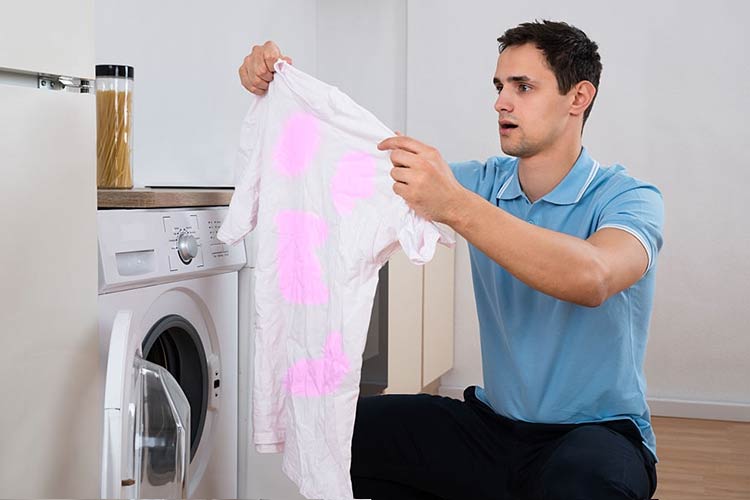
You’re hitting the gym before 8, running meetings by 10, stuck in traffic at 6, and meeting friends for drinks by 8. Through it all, your shirt is under pressure—and when those armpit sweat stains start showing, the whole look falls apart fast. This isn’t just about hygiene—it’s about your image. A solid sweat stain remover isn’t optional anymore—it’s your daily insurance policy.

Whether you’re scrubbing down your favorite white tee or trying to avoid another sweat-ringed dress shirt, this guide is your one-stop playbook. From DIY hacks you can whip up in five minutes to product picks that deliver, every tip is made for guys with packed schedules and high standards. If you’ve ever Googled “DIY sweat stain remover paste for men” or needed the “best sweat stain remover for men’s dress shirts” right before a date—this one’s for you.

Whenever you purchase through links on this page, we make a small commission from Amazon.com and other affiliate partners. Our ultimate goal is to provide our readers with actionable insights and practical tips that they can use to improve their daily lives. Learn more

Everyday Essentials — Pre-Wash Strategies for Men

Sweat stain remover tricks start before you ever hit the laundry cycle. You can save most shirts from yellow doom with a couple of quick, low-effort moves. Think of this section as your low-maintenance prep routine that stops permanent damage before it begins.

Start with enzyme-based sprays—these are your best bet for regular gym shirts and polos. Spray underarm zones as soon as you undress; let it sit while you shower. Brands like Puracy or Biokleen do the job without overpowering your gear. This one-two combo is especially useful for guys asking, “how to remove men’s armpit sweat stains” or those figuring out pre-treating men’s sweat stains before washing.

If you’re out of spray or short on time, old-school works too. A quick DIY baking soda paste (3:1 baking soda to water) is ideal for gym gear—scrub it in with an old toothbrush and let it rest 30 minutes. Got white tees? Try a vinegar soak (1 part vinegar, 2 parts water) for 20–30 minutes before washing. Both work wonders as a natural sweat stain remover for men’s gym clothes. The vinegar remedy, in particular, is a go-to for those surprise ring marks after summer commutes.

For stubborn yellowing or faded marks, try switching to oxygen bleach or using a stain remover bar. Oxygen bleach (like OxiClean) is safe for most fabrics and works well for removing sweat stains from men’s dress shirts. Prefer portability? Stain bars like Fels-Naptha or Ecover’s stick format give you precise control. Both are great for lifting grime from men’s sweat-stained polos or cotton shirts.

Short on time? Mix up a 10-minute soak with warm water, Dawn dish soap, and a splash of hydrogen peroxide. It’s fast, surprisingly effective, and perfect for guys who need to know how to use enzyme cleaners for men’s sweat stains or want a shortcut version of the hydrogen peroxide method to remove sweat stains on men’s shirts.

On-the-Go Fixes — Sweat Stain Remover Tricks for the Busy Guy

No one tells you this, but being sweaty isn’t the issue—looking sweaty is. You could have nailed your pitch, but if there’s a spreading stain on your shirt, that’s what people remember. It’s harsh, but real. Every guy needs a pocket strategy—sweat stain remover hacks built for the backseat of an Uber, your office drawer, or the gym bag you barely unpack.

First up: stain remover pens. These aren’t just for coffee spills anymore. Think Tide to Go or Clorox Bleach Pen (for whites only). They’re ideal for men’s travel emergencies—a quick dab under the arm or collar while in the airport lounge or office bathroom, and no one’s the wiser. If you’re assembling a grooming gift guide: sweat stain remover kits every guy needs, this pen should top the list.

For broader coverage, spot treatment sprays come in mini bottles now—easy to stash in your car or briefcase. Drip a little under each arm, pat dry with a paper towel, and you’re good for dinner. Some guys even DIY this on the fly: mix half water, half vinegar, and two drops of dish soap into a small misting bottle. That’s your quick DIY sweat stain remover for men—cheap, scent-neutral, and surprisingly effective.

Pre-moistened wipes (acid-free, ideally) work double duty. They cut the stain and the odor—key when you’ve layered cologne over dried sweat. Products like Niche wipes or SweatBlock’s on-the-go options are increasingly showing up in the best sweat stain remover products for him this season. The bonus? They don’t leave behind any weird white residue.

And here’s the thing most guys forget: bath towels and warm water rinses are low-tech but effective. If you’re caught post-commute or mid-gym session, a quick splash and towel blot on the underarms can stop stains from setting. It may not be flashy, but as budget-friendly sweat stain remover options for men go, it’s smart and accessible.

Workout Warriors — Heavy‑Duty Solutions for Athletic Men

You can crush PRs, but if your shirts are yellowed and stink after one wash, it’s game over for your gym style. Athletic guys face next-level sweat damage—intense armpit rings, collar discoloration, and that clingy odor that detergent alone doesn’t fix. Your old detergent won’t cut it. Here’s how to build a high-performance stain removal routine that works just as hard as you do.

Start with gel-based cleaners. These are made to grip, soak, and break down odor-causing enzymes. Apply directly to armpits and collars, and leave for 30 minutes before washing. It’s your front-line defense when you’re figuring out how to use enzyme cleaners for men’s sweat stains. Look for enzyme cleaners like Zout or Sweat X Sport—they’re designed with male athletes in mind and work best on high-sweat areas like gym shirts and compression tops.

Next, you’ll want an oxygen bleach booster for those yellow stains and set-in odors. Unlike traditional bleach, oxygen-based formulas like OxiClean are safe for most fabrics and don’t wreck color. It’s a game-changer for guys searching “OxiClean to lift sweat stains on men’s tees” or dealing with sweat-stained polos post-game. Add a scoop to your wash or pre-soak particularly gnarly gear for 1–6 hours, depending on stain depth.

If stains still laugh in your face? It’s time for the ultra-mix: baking soda, hydrogen peroxide, and dish soap. Mix into a thick paste and apply to the armpit zone. Let it sit for 30–60 minutes before scrubbing and rinsing. This is the baking soda remedy for men’s sweat stains with real staying power—and yes, it works on whites and darks. If you’ve been hunting the Dawn dish soap men’s armpit stains trick, this is the one.

Now let’s talk preventative strategy, because recovery isn’t everything. Switching to moisture-wicking shirts and sweatproof undershirts keeps sweat from hitting your outerwear in the first place. Thompson Tee and Ejis make undershirts with built-in pads that block wetness. These are essential if you’re trying to prevent yellow collars on men’s shirts or extend the life of your workout wardrobe.

Office‑Ready — Gentle, Shirt-Safe Sweat Stain Solutions

Here’s the harsh truth: you could be wearing a $200 shirt, but if there’s a crusty yellow stain under the arm or the collar’s going tan, no one’s seeing “polished professional”—they’re seeing “guy who doesn’t wash right.” Sweat stains don’t care how much your outfit costs. The real flex? Keeping your dress shirts looking brand new.

The first move is a cold-water pre-rinse—do this before throwing your shirt in the machine. Hot water bakes the stains in. Cold water keeps them from setting and helps remove salt from fresh sweat. It’s a key step when looking up how to remove men’s armpit sweat stains or tips on pre-treating men’s sweat stains before washing. Gently massage the underarm fabric with your fingers or a soft brush under running water.

Next, soak with enzyme detergents—they break down body oils without trashing delicate fabrics. Brands like Heritage Park and The Laundress offer low-foam options perfect for men’s basic style care to avoid stains on officewear. Drop your shirt into a lukewarm enzyme soak for 1–2 hours. Gentle agitation (even hand-swirling in the sink) helps release the buildup.

Sodium percarbonate-based powders come into play when you’re dealing with older, more stubborn rings. This is the oxygen-releasing agent inside OxiClean—but you can also buy it solo for a higher concentration. It works well on white cotton and light-colored dress shirts. A 1:4 solution (1 tbsp powder, 4 cups water) gives you the right punch to lift underarm or collar grime without bleaching the shirt. If you’re googling sodium percarbonate to remove men’s sweat marks, this is the real answer—not a gimmick.

Now here’s where a lot of guys blow it: fabric-specific care. That $90 linen shirt doesn’t want the same treatment as your office Oxford. For silk, linen, or blends, spot test everything—enzymes can damage delicate weaves. For sweat stain removal on men’s silk or delicate fabrics, use gentle soaks with baby shampoo or delicates detergent, avoiding standard laundry soap.

Style Rescue Kits — Products That Earn a Place in Your Dopp Kit

Every guy’s got a gym bag or dopp kit—some with five kinds of hair product but not a single thing for sweat stains. Priorities are off. If your shirts are looking rough before the month’s end, it’s time to stock that kit with products that keep you looking clean and confident. Here’s what belongs in your style rescue lineup.

Start with a multi-surface spray. These are your all-around utility tools—capable of handling gym shirts, office collars, and even sneaker liners. Choose a formula that works on sweat and odor, especially for post-workout gear. Sweat X Sport Spray or HEX Performance are both solid picks for the best stain remover spray for men’s workout gear. A few sprays, a light rub, and your shirt’s safe until laundry day.

Then grab an all-in-one stain stick or bar. These take up zero space and are endlessly useful. Ideal for collar buildup, armpit rings, or even backpack straps, they’re your backup plan when you don’t have time for a full wash. Fels-Naptha or Ecover’s stain remover bar works for cotton, while The Laundress Stain Solution is better for suits. Whether you’re making your DIY sweat stain remover sticks for men’s gym shirts or buying pre-made, bars are low-fuss and powerful.

For travelers or gym commuters, travel-size powders are a secret weapon. Scoop a bit of oxygen cleaner (like OxiClean) or enzyme powder into a pill container or zipper pouch—easy to mix with water in a hotel sink or post-gym rinse. These are essential for a gift guide: sweat stain remover kits every guy needs, or travel-friendly sweat stain remover hacks for men who live out of a backpack. Compact, effective, and TSA-friendly.

Don’t forget an odor eliminator—not a spray that masks scent, but one that neutralizes the bacteria causing it. Consider products that incorporate activated charcoal, silver ions, or natural enzyme blends. This is where your “sweat stain remover” pulls double duty. For anyone searching for a man’s guide to removing sweat odor and stains, this is the move that keeps your white tees wearable longer without soaking them in cologne.

Budget vs. Premium — Choosing the Right Sweat Stain Remover

Here’s what most guys get wrong: they’ll spend $80 on a shirt but won’t drop $8 to keep it looking new. Or they’ll waste money on overhyped removers that don’t outperform DIY. So what works—and where’s your money best spent? Whether you’re a minimalist or a product junkie, here’s how to separate sweat stain removers worth the spend from those that belong in the trash.

DIY fixes are where most guys start—and that’s smart. A simple paste made from baking soda and water works surprisingly well for cotton tees and gym wear. Add a little dish soap or hydrogen peroxide for extra lift. These budget-friendly sweat stain remover options for men cost under $2 per batch and are great if you’ve got time and don’t mind scrubbing. But they’re messy, require effort, and won’t always cut it for suiting or technical fabrics. Think DIY paste fixes to remove men’s sweat stains as your first line of defense—not your only one.

Step up to mid-tier products like enzyme sprays or oxygen powder cleaners—usually under $15. These are your everyday workhorses. Brands like Zout, Biokleen, and OxiClean MaxForce all land in this sweet spot. They’re strong enough for consistent use, safe on most fabrics, and designed to attack sweat, oil, and deodorant buildup. These are the go-to best sweat stain remover products for him this season if you want low-fuss solutions that work.

Now, what about premium picks? Products like Sweat X, The Laundress, or specialty formulas with bio-based enzymes or anti-odor tech go for $20–$35. And honestly, they’re worth it if you wear dress shirts daily or want minimal fabric wear. These are formulated for specific concerns—like keeping your collars bright, removing aluminum-based deodorant stains, or lifting odor from performance fabrics.

It’s the smart move for guys doing laundry weekly and building long-term shirt longevity. As you compare the budget to premium: a male shopper’s guide to the best sweat stain removers, these top-tier options shine when you’re washing delicate shirts or expensive polos that need a gentler touch.

Fabric-Specific Tips — Tailoring Your Approach

All sweat stains are not created equal—and neither are your shirts. What works on a cotton tee can destroy silk, and synthetic gym gear reacts differently to baking soda. That’s where most stain remover mistakes happen: wrong method, wrong fabric, ruined shirt. Here’s how to fix that.

Let’s start with cotton and cotton-blend shirts. These are the easiest to work with—and where your baking soda paste or oxygen bleach methods shine. Dampen the fabric, apply your stain remover (DIY or store-bought), scrub gently with a soft brush, and rinse with cold water before washing. You’ve probably seen advice on pre-treating men’s sweat stains before washing—this is it. Add vinegar or hydrogen peroxide for deeper yellowing. Use hot water only after the stain is broken down.

Next up: synthetic sportswear. This is where guys often mess up. Using a standard detergent won’t kill bacteria locked into polyester or spandex. You need an enzyme cleaner—think Sweat X or HEX—made specifically for synthetics. Wondering how to use enzyme cleaners for men’s sweat stains? Simple: spray underarms and collar areas, let sit 30 minutes, then wash cold. No hot water—it sets the stink. Always hang-dry, or you’ll cook the odor in.

Now for delicates like silk, linen, or rayon. These fabrics are picky and prone to damage. Skip scrubbing altogether. Use a gentle overnight soak in lukewarm water with baby shampoo or a delicate-specific detergent. If you’re searching for sweat stain removal for men’s silk or delicate fabrics or need to lift pit marks from a linen blazer, this is your safest move. Never use bleach—even oxygen-based. And always test a small patch first.

Targeting collars and cuffs? That’s where residue and oils build up most. Use a toothbrush and an enzyme paste or sodium percarbonate solution—gently. Focus pressure on the seam line. For white dress shirts, apply directly and rinse in cold water. Guys often need a product to remove yellow sweat stains from men’s collars—this is the one-two punch that works. Do this every 2–3 wears before staining sets in.

Prevent & Maintain — Building a Sweat‑Proof Wardrobe

Here’s the part no one wants to hear: most sweat stains aren’t from sweat—they’re from lazy laundry habits, bad deodorant, and wearing the same shirt too often. That yellowing under your arms? It’s been building up for weeks. Prevention isn’t flashy, but it’s the smartest move you’ll ever make for your wardrobe.

Start by investing in sweatproof undershirts or disposable underarm pads. These are lifesavers for guys who wear dress shirts regularly. Brands like Ejis and Thompson Tee offer undershirts that stop sweat before it ever touches your outer layer. Not only do they prevent stains on men’s shirts, but they also reduce wear on pricey shirts. Pair that with a non-aluminum deodorant, and you’ve already cut the main culprit behind pit discoloration. If you’re serious about style, this is where it starts. No more wondering if aluminum-free deodorant reduces sweat stains on men—it does.

Next, develop a daily rinse routine. After a workout or a sweaty commute, don’t just toss your shirt in the hamper and forget it. Rinse the armpit area with cold water and let it air-dry. It takes 30 seconds and can prevent set-in rings. This is what we mean when we say gym gear rescued: sweat stain remover tips for active guys. It’s low effort, high return.

Now apply smarter laundry habits across the board. Always wash shirts in cold water using an enzyme detergent, and hang-dry whenever possible. Hot dryers can “bake in” leftover residue. For those battling persistent marks, this is one of the most effective laundry hacks for men battling sweat stains. Separate gym wear from everyday clothes, and don’t overload the machine—it limits detergent performance.

Lastly, treat your wardrobe like a rotation, not a uniform. Shirts—especially white ones—need rest days. Rotate them throughout the week and store clean shirts in a cool, dry closet. During humid months, add moisture absorbers to your wardrobe. If you’re reading up on sweat stain prevention advice for men in moist climates, this one move can save your fabrics and your sanity.

For You to Read Next:

Wrinkled Shirt Survival Guide for Home, Work, and Travel

The Complete Guide to Jeans for Men with Flat Butt

7 Common Struggles with Jeans for Men with Big Thighs

Wrinkled Shirt Survival Guide for Home, Work, and Travel


best mens oxford shirts

Few things can ruin a sharp outfit faster than a wrinkled shirt. You pull it out, ready to go, only to see creases everywhere—annoying, and let’s be honest, a little embarrassing. It happens to everyone. You can be at home, in the middle of a workday, or halfway through a trip, and still end up dealing with the same problem. The good news? You don’t need to panic or settle for looking rumpled. This guide will walk you through quick fixes, smart prevention tricks, and even how to fix a wrinkled shirt without an iron when time isn’t on your side. By the end, you’ll know how to keep your shirts looking fresh—whether you’re heading to a meeting or boarding a plane.

Whenever you purchase through links on this page, we make a small commission from Amazon.com and other affiliate partners. Our ultimate goal is to provide our readers with actionable insights and practical tips that they can use to improve their daily lives. Learn more

Why Shirts Wrinkle and How to Spot the Causes

A wrinkled shirt doesn’t just appear out of nowhere—there’s always a reason. Understanding those causes helps you fight wrinkles before they even start. Once you know why fabrics crease, you can change small habits that make a big difference.

One reason many ask why my shirt wrinks so easily is the fabric composition. Cotton is breathable and soft, but those same natural fibers bend easily, which means creases set in quickly. On the other hand, synthetics like polyester bounce back faster after movement. If you’re wondering why cotton shirts wrinkle more than synthetic shirts, it’s because natural fibers absorb moisture and hold shape changes longer. Blends—such as cotton-poly—strike a middle ground between comfort and wrinkle resistance.

Heat and humidity also play a role. Moisture loosens fabric fibers, and heat “locks” them into their new shape—whether that’s smooth or crumpled. Leaving a damp shirt in a pile can create stubborn creases, while a hot dryer can set them in permanently. Understanding this fabric science also points you toward what fabrics wrinkle the least for shirts—performance blends, wrinkle-resistant cotton, and certain knits keep their shape longer.

Storage habits are another wrinkle culprit. A crowded closet squeezes shirts together, pressing in folds over time. Overstuffed drawers create the same issue. Poor folding techniques can turn smooth shirts into wrinkled messes before you even wear them. The fix? Space out your hangers and fold with crisp, intentional lines.

Lastly, your activity level affects how long a shirt stays smooth. Movement naturally bends fabric, especially at elbows, waistlines, and where seat belts or bags press against your body. Over the day, those areas show lines first. Choosing the right fabric, wearing undershirts to reduce friction, or even rotating between sitting and standing can help.

Quick Fixes for a Wrinkled Shirt at Home

Sometimes you’ve got a wrinkled shirt and an important reason to look sharp—fast. Luckily, you don’t need a full laundry day to get it done. At home, you’ve got tools and tricks that can restore your shirt in minutes, whether you prefer traditional methods or quick hacks.

Start with ironing basics. To achieve a wrinkle-free finish, start by setting your iron to match the fabric type—cotton requires high heat with steam, while synthetics need lower heat. Lay the shirt flat on an ironing board, start with the collar, then move to cuffs, sleeves, and finally the body. Use smooth, consistent strokes. If you iron in sections, you’ll avoid pushing wrinkles from one area into another.

Then there’s steam power. Many ask about steaming vs ironing a wrinkled shirt—and both have their place. Ironing gives crisp, sharp lines, while steaming is gentler and faster, especially on delicate fabrics or shirts with embroidery. A handheld steamer can refresh a shirt hanging on a hanger, and it’s easier on fabrics that don’t like direct contact with hot metal. Steaming is also ideal for spot-treating a shirt that’s mostly smooth but has a few stubborn areas.

Wrinkle-release sprays are another quick option. People often wonder, “Does wrinkle release spray for shirts work?” The answer is yes—if you use it right. Lightly spray the shirt, gently tug and smooth the fabric with your hands, and let it hang to dry for a few minutes. This method won’t create crisp pleats like ironing, but it works well for casual wear or when you want to look presentable in a hurry.

For those without an iron or steamer, there are simple household hacks. A common one is how to get wrinkles out of a shirt with a hair dryer. Hang the shirt, lightly mist it with water, and blast warm air over the wrinkles from a short distance. Move the dryer constantly to prevent overheating any area, and continue stretching the fabric as you go to encourage it to lie flat.

Emergency Wrinkle Removal Without an Iron

If you’re away from home or in a rush, you still have options. Knowing how to fix a wrinkled shirt without an iron can save you from showing up looking unprepared. These methods use everyday surroundings and items you probably already have.

The hot shower steam method is a classic. Hang your shirt on a hanger in the bathroom—close enough to catch steam, but far enough to stay dry. Turn on the shower to hot and shut the door. In about 10 minutes, steam loosens the fibers and smooths out creases. This is one of the quick tips for de-wrinkling a dress shirt when traveling, especially if you don’t have access to laundry tools.

Another simple approach is the flat press with a damp cloth. Lay the shirt flat on a clean surface, place a slightly damp cotton cloth over the wrinkled area, and press down firmly with your hands or even a heavy book. Your body heat and pressure will help reshape the fibers. This is one of the more natural methods to get wrinkles out of shirts, since it requires no appliances—just a bit of patience.

For a faster option, try the blow dryer and mist combo. Hang your shirt, lightly spray the wrinkled spots with water, then run a hair dryer over them from a short distance. The combination of moisture and heat works similarly to an iron, and in just a couple of minutes, the wrinkles start to fade. This is one of the easiest ways to fix a wrinkled shirt without an iron when you’re short on time.

Finally, there’s the clothes dryer plus ice cube trick. Toss your wrinkled shirt into the dryer with one or two ice cubes, then run it on medium heat for about 10 minutes. As the ice melts, it creates steam that releases wrinkles. This works best for shirts that can handle heat and tumbling, and it’s a surprisingly effective method if you’re in a hurry and can spare a few minutes.

Washing and Drying Habits That Prevent Wrinkles

Fixing a wrinkled shirt is good, but preventing wrinkles in the first place is even better. A few small changes in your laundry routine can keep shirts looking fresh without extra work later.

Start with proper washing cycles. If you’ve wondered how to prevent a shirt from getting wrinkled in the dryer, it starts in the washer. Use delicate or permanent press settings—these cycles wash gently and end with a cool-down phase that helps fabrics relax before drying. Hot, aggressive washes twist fibers too much, making creases harder to remove later.

Next, pay attention to load size and timing. Overloading the machine doesn’t give clothes enough space to move freely, which means they come out more wrinkled. On the flip side, letting clean clothes sit in the drum—wet or dry—creates deep creases. The best way to remove wrinkles from a shirt quickly often starts with taking it out of the washer right away so wrinkles never have time to set.

Moisture removal is another smart trick. Instead of fully drying your shirt in the machine, take it out slightly damp and hang it to finish drying. This gives the fabric a chance to “reset” as gravity pulls it smooth. If you’re learning how to hang a shirt to reduce wrinkles, the key is a sturdy hanger and enough space for air to circulate.

Fabric softeners and conditioners also help. They coat fibers lightly, making them more resistant to creasing and easier to smooth out later. For natural fabrics like cotton, this extra softness keeps shirts from feeling stiff, which reduces fold lines over time.

Storing Shirts to Avoid Wrinkles

Even after you’ve washed and dried a shirt perfectly, poor storage can undo your work. Learning how to store shirts to avoid wrinkles keeps them ready-to-wear and saves you from unnecessary touch-ups.

Start with hanger choice. If you’re wondering how to hang a shirt to reduce wrinkles, choose wide, contoured hangers that mimic the shape of your shoulders. Thin wire hangers can cause puckering at the seams and leave marks on delicate fabrics. For heavier dress shirts, wood or padded hangers provide better support and keep collars looking sharp.

Closet spacing matters more than you might think. Stuffing shirts too close together compresses fabric and traps moisture from the air, which encourages creasing. Ideally, each shirt should hang freely without brushing against the next. If your space is tight, consider rotating seasonal pieces to storage boxes or garment racks so your most-used shirts have breathing room.

Folding techniques are another wrinkle prevention tool. If you don’t have hanging space, fold shirts with smooth, even lines and avoid making folds where wrinkles tend to form, like across the chest. Store them in neat stacks, and avoid overstuffing drawers—pressure from other clothes will crease even the best fold.

For seasonal storage, garment bags and breathable covers are your friends. Lightweight cotton or canvas covers protect shirts from dust while allowing airflow, which prevents that musty smell and stiff creasing. Avoid airtight plastic unless you’re protecting from moisture or pests short-term—trapped humidity can damage fibers over time.

Once you’ve set up your closet with the right tools and habits, you’ll notice how keeping shirts looking crisp all day becomes much easier.

Wrinkle Prevention While Traveling

Packing for a trip often means accepting some creases—but it doesn’t have to. Learning how to keep shirts from wrinkling while traveling lets you step off a plane or out of a car looking just as sharp as when you packed.

First, decide between rolling and folding. If you’re wondering how to fold shirts to prevent wrinkles in a suitcase, start by buttoning the shirt, laying it face down, folding sleeves inward, and making one or two smooth folds in the body. This minimizes sharp creases. Rolling can work for casual shirts, especially knits, but structured dress shirts generally fare better folded with tissue paper between layers.

Packing accessories can make a big difference. Garment folders or shirt boards keep shirts flat and supported, while packing cubes prevent clothes from shifting during transit. This extra stability reduces movement, which is a major cause of travel wrinkles.

Once you arrive, hotel hacks can save you. Hanging your shirt in the bathroom while you run a hot shower works much like the at-home steam method. The rising steam loosens creases—just be sure the shirt doesn’t get splashed. This quick refresh is perfect if unpacking isn’t an option right away.

Finally, choose travel-friendly shirts. If you’re still deciding what fabrics wrinkle the least for shirts, look for performance blends, polyester-rich fabrics, or wrinkle-resistant cotton. These fabrics hold their shape better and can bounce back from being folded in a suitcase. For business trips, a couple of wrinkle-free dress shirts can be worth the space and budget.

Choosing Wrinkle-Resistant Shirts and Fabrics

Sometimes the easiest way to avoid a wrinkled shirt is to start with the right material. Knowing which fabrics wrinkle the least for shirts helps you shop smarter and spend less time fixing creases later.

Wrinkle-free technology is one option. Wrinkle-free dress shirts are usually treated with a special resin that helps fibers spring back into shape after washing or wearing. This makes them perfect for long workdays or travel, though they can feel slightly stiffer than untreated cotton. If you want to maintain a crisp look with minimal effort, these shirts are a solid investment.

Fabric blends also help. Poly-cotton mixes combine the breathability of cotton with the resilience of polyester, meaning fewer creases and faster drying. Performance fabrics—often used in travel shirts—add stretch and moisture-wicking properties, making them comfortable and low-maintenance.

Some brands are known for delivering wrinkle-resistant styles. Whether you shop budget-friendly or premium, look for companies that specifically advertise non-iron or easy-care technology. Reviews can be especially helpful here—customers often share how a shirt holds up after several washes and wears.

Cost vs durability is worth considering. A more expensive wrinkle-resistant shirt may last longer and maintain its look better over time. Cheaper options can work, but if you plan to wear it often, the investment can pay off in convenience and longevity. And yes—if you’ve been wondering, can you dry clean a wrinkled shirt to fix it, the answer is yes. A professional press can restore even stubbornly wrinkled shirts to near-new condition, making it a good backup if home methods fail.

Professional and Long-Term Wrinkle Solutions

Sometimes a wrinkled shirt needs more than quick fixes. For occasions where looking flawless matters—job interviews, weddings, important meetings—professional or long-term solutions guarantee the crisp finish you’re after.

Dry cleaning is a reliable option. If you’re asking, can you dry clean a wrinkled shirt to fix it? The answer is absolutely. Professional cleaners not only wash the garment but also press it with commercial-grade equipment, creating sharp lines that last longer than most at-home methods.

Wash-and-press services are a more affordable alternative. Many laundries offer this—your shirt is washed, pressed, and returned ready to wear. It’s ideal if you don’t need the full treatment of dry cleaning but still want a polished look without lifting an iron.

For home care, consider investing in a press station or high-quality steamer. The best travel steamers for wrinkled shirts are compact, heat quickly, and handle multiple shirts in one session. A dedicated steam press at home takes up more space but gives results close to a professional finish—especially useful if you wear dress shirts daily.


Finally, daily habits make a big difference in keeping your shirt sharp. Knowing how to keep shirts looking crisp all day means paying attention to small details—buttoning shirts when hanging them, removing jackets when seated for long periods, and avoiding overstuffed bags that press against your back or sides. Carrying a mini wrinkle-release spray or a travel steamer in your luggage can save the day if creases sneak in.

5 Jeans for Older Men Who Hate Skinny Fits


Jeans for Fat Guys

Skinny jeans had their moment, but if you’re past 50, you probably see them as more punishment than a style choice. You’ve earned comfort, mobility, and jeans that work with your body, not against it. Low-rise, tight thigh cuts can make legs look shorter and accentuate areas you’d rather not spotlight. Yet you still want denim that looks sharp and wears well. That’s where this guide comes in. Here, you’ll find five jeans for older men that combine durability, flattering fits, and timeless style—no trendy gimmicks, no spray-on silhouettes.

Whenever you purchase through links on this page, we make a small commission from Amazon.com and other affiliate partners. Our ultimate goal is to provide our readers with actionable insights and practical tips that they can use to improve their daily lives. Learn more

Levi’s 501 Original Fit – The Timeless American Classic

The Levi’s 501 has survived more fashion shifts than most of us have birthdays. Its straight-leg cut sits in that sweet spot: no cling in the thigh, no flare at the ankle, just a balanced profile that works on nearly any body type. That’s exactly why so many men over 50 stick with it—it feels familiar yet still current.

The denim itself comes in a wide range of weights and washes, including raw and selvedge options for those who want years of wear from a single pair. If you’re after longevity, the “Shrink-to-Fit” version is worth a look. With a cold soak and professional hem, they mold to you over time, developing character the longer you wear them.

Another reason they work? The rise. Choose a mid- or high-rise model to avoid that low-slung effect that shortens your leg line. Pair them with a crisp tee, denim jacket, or even your best boots, and you’ve got a no-fuss look that’s equally at home at a weekend BBQ or a casual Friday meeting.

Naked & Famous Easy Guy Selvedge – Roomy Comfort Without the Bulk

Premium denim can sometimes feel like a workout to break in, but the Easy Guy strikes a great balance. It gives you the craftsmanship of Japanese selvedge without squeezing your thighs like a sausage casing. The fit offers extra room in the seat and upper leg, then tapers slightly below the knee for a cleaner drape—ideal if you want comfort that still looks intentional.

Naked & Famous is known for using high-quality fabrics that age beautifully. The selvedge weave means the edges are tightly finished, preventing fraying and giving that satisfying clean cuff when worn with boots. Over time, the denim softens and molds to your frame, developing fades that reflect how you move and live in them.

This is the pair for men who want to step into the world of premium jeans without going skin-tight. They work especially well if you have a more athletic thigh or prefer room to move. Style them with a flannel in winter or a chambray shirt in warmer months—either way, they keep you comfortable without straying into baggy territory.

Blackhorse Lane NW1 – High-Rise Structure for a Flattering Shape

A good high-rise jeans can be a secret weapon for older men. The NW1 sits above the hips, keeping shirts neatly tucked and giving a longer, more balanced leg line. It’s a fit that avoids the awkward sag that can happen with low-rise jeans, especially if you’re carrying a bit more around the middle.

Blackhorse Lane sources heavyweight Japanese raw denim that’s built to last years, not seasons. The fabric starts firm but rewards patience—after a few wears, it starts to shape itself to you, creating a custom fit that feels more supportive than lighter blends. The relaxed straight leg keeps things classic: no taper, no chasing the latest cut.

If you value structure, this pair delivers. They work well with tucked-in oxfords for a clean look, or untucked knitwear for casual days. Add leather boots, and you’ve got a combination that works from casual lunches to smart-casual evenings without changing a thing.

Our Legacy Third Cut – Relaxed and Modern Without Being Trendy

Wide-leg jeans can go wrong fast if they’re too oversized or distressed, but the Third Cut keeps things controlled. It’s relaxed enough to feel comfortable all day, yet the clean lines stop it from looking sloppy. This balance makes it appealing if you want a looser fit that still feels intentional and grown-up.

The Italian selvedge denim has a softer feel right out of the box compared to stiffer raw options, but it still holds its shape. It’s sturdy enough for regular wear while giving you that lived-in comfort quicker. This softer hand also means the jeans drape well, which can make a big difference if you’re aiming for a polished casual style.

Pair them with a flannel shirt, a chore jacket, or a leather boot for a classic-meets-modern mix. They can handle layering in colder months or stand on their own in warmer weather. Just keep the hem clean—skip heavy distressing or frays to maintain a style that ages gracefully rather than chasing short-lived trends.

Todd Snyder Relaxed Selvedge – Premium Denim That Works for Work and Play

The Todd Snyder Relaxed Selvedge is a solid middle ground between rugged workwear and refined weekend denim. The wider cut gives breathing room without leaving excess fabric to bunch at the ankle, making it a good match for boots or chunkier casual shoes.

Its Japanese selvedge construction speaks to denim purists, while the cut makes it approachable for guys who want a reliable, good-looking pair. Over time, the fabric fades in high-wear spots, giving a personal touch to each pair. That natural wear pattern can look even better with smart casual outfits, adding a subtle edge.

Wear them with a casual button-down for dinner or a Henley for off-duty days—they’re versatile enough to bridge the gap between work and leisure. If you want one pair to handle most occasions without swapping into a different style, these are a strong contender.

How to Shop for Jeans When You’re Over 50 (and Hate Skinny Fits)

Finding jeans that fit well after 50 isn’t about chasing trends—it’s about knowing what works for your frame and lifestyle. The right cut can sharpen your look, while the wrong one can make even premium denim feel off. Focus on fit, fabric, and rise before worrying about washes or extras.

Start with the rise. Mid- and high-rise jeans generally flatter more mature builds by keeping the waistline in proportion and avoiding the “slouch and sag” effect. They also help shirts stay tucked and prevent the waistband from cutting in awkwardly.
Fabric choice matters just as much. Raw or selvedge denim may feel stiff at first, but it lasts for years and develops unique wear patterns. If you want comfort from day one, look for a mid-weight denim with a touch of stretch—just avoid overly stretchy blends that lose shape quickly.

Stick to straight or relaxed fits for a balanced silhouette that doesn’t read as outdated. When trying on, bring the boots or shoes you wear most often to check how the leg opening works with your footwear. And if in doubt about sizing, prioritize a good fit in the seat—small alterations at the waist or hem are easier than fixing an ill-fitting rear.

Care and Maintenance to Keep Quality Denim Looking Sharp

Good jeans can last for years if you treat them right. Over-washing is the quickest way to break down fibers, fade color too quickly, and lose that crisp fit. Instead, think of denim like a good leather jacket—it improves with age if you’re patient.

Wash sparingly, ideally every 8–12 wears, unless you’ve had a major spill. Spot clean small marks with a damp cloth before committing to a full wash. When you do wash, turn the jeans inside out, use cold water, and skip the dryer—air drying preserves the fit and color.
Rotating between a few pairs gives each one time to rest and recover its shape. This not only extends their lifespan but also gives you more styling flexibility. Store them folded or hung by the waistband to avoid stretching out the knees or seat.

Premium denim rewards care with better fades, more comfort, and a shape that feels custom to you. As one style-savvy Redditor put it, “You don’t need a dozen pairs. You need a few that fit right and will last.”

Conclusion – Investing in Jeans That Work for You

You don’t have to choose between comfort and style just because you’re avoiding skinny fits. The right jeans for older men offer lasting quality, flattering proportions, and the versatility to work with your everyday wardrobe. By focusing on mid- to high-rise cuts, durable fabrics, and straight or relaxed silhouettes, you can build a denim lineup that ages as gracefully as you do. Pair them with boots, jackets, or your favorite casual shirts, and you’ll have a look that feels confident, timeless, and completely your own.


Helpful Men’s Fashion Tips & Insight

7 Everyday Jeans for Tall Men You Can Wear Anywhere

Finding Jeans for Muscular Legs and Small Butt

Jeans for Skinny Men with No Butt

The Complete Guide to Jeans for Men with Flat Butt

7 Common Struggles with Jeans for Men with Big Thighs

7 Everyday Jeans for Tall Men You Can Wear Anywhere


a tall man in a stretch jeans pants

Finding jeans for tall men that tick every box is no small task. Sure, you might score the right inseam, but then the thighs pinch or the rise sits awkwardly. Even “straight” cuts can hug like skinny jeans, and many brands won’t go past a 34″ inseam. It’s a mix of sizing gaps and fit quirks that frustrates tall guys.

That’s why this guide skips the guesswork. We’ve gathered seven styles — tested by tall men and backed by brand reputation — that work for a range of builds and budgets. From under-$50 rugged pairs to selvedge denim worth breaking in, these picks offer comfort, proportion, and everyday wearability. Whether you’ve got athletic thighs, long legs, or a flatter seat, there’s a fit here that’s ready to become your go-to pair.

Whenever you purchase through links on this page, we make a small commission from Amazon.com and other affiliate partners. Our ultimate goal is to provide our readers with actionable insights and practical tips that they can use to improve their daily lives. Learn more

Levi’s 541 Athletic Taper – Room Where You Need It

Tall men with muscular legs know the drill: slim jeans turn every step into a squeeze. The problem is in the pattern grading — most slim fits are scaled from average builds, so the thigh space doesn’t grow much with longer inseams. That leaves you with a tight upper leg and a strange pull at the pockets.

The 541 Athletic Taper solves that by adding space in the seat and thighs, then narrowing gently from the knee down. This keeps the leg line modern while giving you the movement you need. Available in inseams up to 36″, they’re a smart middle ground between laid-back weekend jeans and something you could wear to a casual dinner.

They’re also versatile to style — cuff them over sneakers for a relaxed look, or pair with Chelsea boots to sharpen things up. If you’ve ever had to size up just to fit your thighs, the 541 lets you stick to your true waist size without sacrificing comfort. If you’re dealing with a flatter seat, our guide to Jeans for Men with Flat Butt covers rise and pocket tweaks that prevent the saggy-back look.

American Tall J1 Straight Leg – Designed for Tall Frames

Buying jeans labeled “tall” doesn’t guarantee they’ll fit tall proportions. Many brands extend the leg length without adjusting pocket placement or rise, which can leave back pockets floating too high and the waistband cutting in at the wrong spot. The result? A fit that looks off, even if the inseam is right.

American Tall’s J1 Straight Leg fixes that with patterns built from scratch for taller frames. The rise is balanced so the waistband sits naturally, pockets are placed where they should be, and the leg shape works in longer inseams without pulling awkwardly. Available in 34″ to 40″ inseams, they’re a solid choice for guys tired of jeans that only “look” long on paper.

They’re also a smart pick if you deal with the jeans for tall men with no butt problem — the seat is cut to avoid sagging without going skin-tight. Straight through the thigh and knee, they’re easy to dress up or down. Many tall shoppers recommend ordering two sizes and taking advantage of the brand’s return policy, as their sizing runs true but may differ slightly from mainstream labels.

Wrangler Cowboy Cut Original Fit – Affordable and Rugged

Not every tall man wants to spend premium denim prices, especially if the jeans will see hard wear. The issue is that budget-friendly jeans often stop at a 34″ inseam, leaving taller guys to settle for ankle-baring lengths or buy oversized and cuff heavily.

Wrangler’s Cowboy Cut Original Fit brings a longer inseam and a workhorse build at an accessible price. Available in 36″+ inseams, these jeans have room in the thighs without ballooning below the knee. The heavy cotton denim is built for durability so that it can handle everything from weekend yard work to casual nights out.

If the straight-from-the-factory fit feels too relaxed, a quick trip to the tailor for a slight taper can sharpen the silhouette without losing comfort. Their straightforward, no-fuss design pairs easily with boots or sneakers, making them one of the most versatile budget picks for tall men. And since they’re built tough, you won’t have to baby them like some pricier jeans.

Bravestar Selvedge Denim – Premium Quality Without Designer Gimmicks

Paying $300+ for jeans isn’t always about quality — sometimes you’re just covering the logo. Many “premium” brands still source mass-produced denim and cut corners on construction. That’s where Bravestar stands out. They weave their selvedge denim in the U.S. and offer inseams up to 36″, giving tall men true premium fabric without inflated designer markups.

Selvedge denim is known for its durability and the way it molds to your body over time. Bravestar’s heavier weights start stiff, but the payoff is a custom fit after a few weeks of wear. The stitching is clean, the fades develop naturally, and the jeans hold their shape better than most off-the-rack options.

For tall men, the big win is the combination of length and proportion — no short rises, no cramped thighs, and the option to hem or cuff without losing the selvedge edge. If you’ve been curious about selvedge denim but hesitant about Iron Heart or Japanese prices, Bravestar is a strong entry point. Just be ready for that initial break-in period.

Banana Republic Slim Luxe Traveller – Polished Comfort

Slim jeans can look sharp but feel like a workout if you wear them all day. Many slim cuts skimp on thigh room and skip stretch fabrics, leaving tall guys especially cramped. The Slim Luxe Traveller changes that by using a slightly roomier thigh, a flexible cotton blend, and a silhouette that still reads modern.

Available in 36×36 sizing, these jeans offer men a cleaner, straight-leg look without the stiffness of raw denim, making them ideal for tall guys. The fabric has enough give for travel days, long commutes, or evenings out without sagging at the knees. The seat stays neat, avoiding that stretched-out look some stretch jeans get.

You can pair them with loafers and a button-down for the office, then swap in a tee and sneakers for weekend wear. The balance of comfort and polish means you don’t have to change jeans to change settings, which is exactly what makes them a favorite for guys who value versatility.

KUHL Lawless Jeans – Rugged, Long, and Built to Last

Some jeans fit great in the dressing room, but fall apart after a season of active wear. Lightweight denim isn’t enough for tall men who hike, work outdoors, or move a lot. You need something that can handle abrasion, weather, and constant bending without blowing out at the seams.

KUHL’s Lawless jeans bring that toughness with heavier-weight denim and reinforced stitching. They’re cut with room in the thighs and knees, so climbing stairs or crouching won’t feel restrictive. Available in a 36″ inseam, they also have enough length to cuff — a rare plus when you’re used to jeans barely reaching your shoes.

The rugged texture works naturally with boots and flannels, but you can still wear a Henley or casual jacket for a cleaner look. For men tired of jeans that give out after light city wear, the Lawless offers a build meant to take a beating without losing shape.

Mavi Zach Straight Leg – Modern Fit, Everyday Wear

Straight-leg jeans can go wrong in two ways — either too loose and shapeless or trimmed so slim they feel like skinnies. The Mavi Zach finds the middle ground, keeping the leg line neat while allowing space for movement. The fit is especially welcome for tall men since it maintains proportion in longer inseams up to 36″.

The denim has a soft hand right from the start, so there’s no break-in period. It holds color well, whether you choose a dark wash for smart-casual outfits or a lighter fade for weekends. The cut works across sneakers, loafers, or boots, meaning you can keep them in rotation without outfit restrictions.

Owners often say they “forget they’re wearing them,” which is exactly what you want in an everyday pair. They don’t scream for attention — they just fit, look good, and work in almost any setting, from a casual office to a dinner out.

How to Get the Perfect Fit Without Settling

The fit might still need a tweak even with the right brand and inseam. Tall men’s proportions vary — you might have longer legs but a shorter rise, or broad thighs with a narrow waist. Off-the-rack jeans rarely hit all those points perfectly.

A good tailor can adjust waist size, taper the leg for a cleaner line, or hem selvedge denim without losing the signature edge. These small changes can turn “almost right” jeans into your best-fitting pair. Athletic-fit jeans, in particular, are often close to ideal but benefit from subtle adjustments.

If you’re trying a brand for the first time, take advantage of at-home try-on programs like Amazon Wardrobe or brands with generous return windows. Order multiple inseam and waist combinations, then keep the pair that feels best in both comfort and proportion. Think of jeans as a base you can refine, not a final product you must accept.

Conclusion – Your Everyday Jeans Are Out There

Tall men have more choices now than ever before — from long inseam workhorses to premium selvedge built for proportion. The key is to mix tall-specific brands with athletic or straight fits from mainstream labels, then fine-tune through tailoring if needed.

Finding jeans for tall men doesn’t have to be a constant search. With the right cut, rise, and inseam, you can land a pair that works everywhere you go. Patience pays off, and once you’ve got your everyday pair, you’ll wonder how you put up with “almost fits” for so long.


Recommended Articles

If you’re looking for everyday jeans that fit your style, check out our picks for Everyday Jeans for Tall Men You Can Wear Anywhere
, or explore the 6 Best Men’s Workwear Jeans for Tough Jobs
if you need denim that can handle serious wear and tear.

Finding Jeans for Muscular Legs and Small Butt: Cuts, Brands, and Fit Tips


Best Jeans for Men with Big Thighs

If your jeans fit your waist, they can be too tight around your thighs. If they fit your thighs, they sag in the seat. Sound familiar? Guys with built legs and a smaller butt deal with this every shopping trip. You’ve tried “athletic fit jeans” only to find most brands still assume a proportional build. This guide breaks down the best cuts, fabrics, and brands so you can shop smarter, skip the frustration, and finally get jeans that move with you instead of against you.

Whenever you purchase through links on this page, we make a small commission from Amazon.com and other affiliate partners. Our ultimate goal is to provide our readers with actionable insights and practical tips that they can use to improve their daily lives. Learn more

Why Standard Jeans Don’t Work for Athletic Builds

Most off-the-rack jeans are made for the “average” body—moderate thighs, a balanced seat, and a neat taper. For men with strong quads and hamstrings, that’s a recipe for discomfort. Thigh squeeze makes walking stiff, a tight crotch limits movement, and if you size up to fix that, the waistband gaps like you borrowed your dad’s pants.

On top of that, many standard jeans use rigid, low-stretch denim. That old-school feel might last forever, but it’s not forgiving when your legs push the fabric to its limits. A sharp taper can make matters worse, exaggerating the “carrot leg” effect where your thighs look huge and calves vanish.

Even jeans labeled athletic fit can be misleading. Brand definitions vary wildly—what one calls “athletic” might be another’s “slim.” The trick is to check the numbers: thigh width, rise, and leg opening. Measurements don’t lie, even if marketing does.

The Athletic Cut Advantage—When It Works and When It Doesn’t

Athletic cuts are designed to solve the exact problem we’re talking about—more room in the thigh and seat, then a cleaner line below the knee. For guys whose calves are in proportion to their thighs, this can be the perfect blend of comfort and shape.

But here’s the catch: if your calves are much slimmer than your quads, a heavy taper can throw off proportions, making your legs look top-heavy. That’s where a straight athletic cut can help, keeping balance without looking baggy.

Stretch fabrics add comfort here, too. A small percentage of elastane allows you to sit, squat, and walk without the denim digging into your legs. The downside? Too much stretch can cause the jeans to lose their shape after a few wears, sagging in all the wrong places.

Levi’s 541s get frequent nods from guys in this situation—they manage to give thigh space while keeping a neat taper that doesn’t overdo it.

Straight Fits: A Balanced Option for Thick Thighs

Straight-leg jeans maintain a consistent width from thigh to ankle, eliminating the aggressive taper that can squeeze your calves. For guys with muscular legs, this even cut can make a world of difference—it respects your thigh size while letting the fabric drape naturally down.

Because they don’t narrow sharply, straight fits give your legs a more balanced look. They also work well if your calves are larger from running, cycling, or lifting, since there’s no pinch point at the lower leg. In heavier denim, the straight cut hangs cleanly, creating a sharp silhouette that feels comfortable all day.

Versatility is another plus. Straight fits can go from laid-back weekend outfits to semi-formal settings with the right styling. Pair a dark indigo straight fit with a crisp Oxford shirt for an office-ready vibe, or roll the cuffs with sneakers for a casual day out.

Some standout options for muscular builds include Wrangler Cowboy Cut jeans, which hold their shape and handle rugged use, and Lucky Brand 410 Athletic Straight, praised for mixing roomy thighs with a clean leg line. Both have the structure to last, but enough give to move with you.

The Case for Relaxed Fits—Comfort Without the Bulk

Relaxed-fit jeans offer extra space in the seat and thighs without overwhelming your frame with fabric. For men with thicker legs, this means you can move freely—whether you’re sitting at a desk, walking the city, or working outdoors—without the constant pressure of tight seams.

The key is choosing a relaxed cut that still tapers slightly or keeps a moderate leg opening. That way, you avoid the overly wide look that can feel outdated unless you’re deliberately going for a vintage vibe. Dark washes and clean stitching help relaxed fits read more polished, especially when paired with fitted shirts or jackets.

In casual settings, they’re easy to style with boots, sneakers, or loafers. For tougher workwear situations, the roomy thigh design keeps you comfortable while bending, climbing, or lifting. Many guys in the Reddit thread found that Levi’s 559 and Wrangler 31MWZ nail the balance—spacious where you need it, streamlined where it counts.

If you want modern comfort without slipping into baggy territory, a relaxed fit with a slightly narrowed opening is your best bet. It’s a style that works year-round and transitions well between work and downtime.

Bootcut and Cowboy Cuts—Style and Function for Bigger Legs

Bootcut and cowboy cut jeans feature a wider leg opening, not just to accommodate boots, but also to visually balance strong thighs. Instead of tapering sharply, the extra width below the knee evens out proportions so your legs look powerful but not top-heavy.

For guys who spend time outdoors, ride horses, or work in trades, this style also brings real functionality. The looser knee area makes bending and squatting easier, and the flare at the hem prevents the denim from catching on boots. Choose a mid-rise to help avoid waistband gaping, especially if you have a smaller seat.

In terms of look, cowboy cuts give off a rugged, no-nonsense vibe that pairs well with flannel shirts, Henleys, and work boots. Dark washes can dress them up slightly, while lighter or stonewashed versions lean into their Western roots. Wrangler’s 13MWZ and 31MWZ came up repeatedly in the Reddit discussion—both are long-trusted fits that stand up to heavy wear without sacrificing comfort.

If you’re looking for jeans that can handle work and still look sharp for casual wear, consider adding a bootcut or cowboy cut to your rotation.

Stretch Denim—Freedom of Movement Without Sag

Stretch denim blends cotton with a small percentage of elastane or spandex, giving you flexibility without sacrificing the structure of real jeans. For guys with muscular legs, this means you can sit, bend, or cycle without feeling like your denim is cutting off circulation.

The sweet spot for most is 1–3% stretch. This provides enough stretch for comfort while maintaining the fabric’s original shape. Go much higher, and you risk sagging in the seat or knees after just a few wears. A good stretch denim will rebound when you stand and move, maintaining a clean silhouette.

Stretch denim works especially well for hybrid jeans—pairs you wear to the office, then out for errands or dinner. They move with you and adapt to a variety of activities. Many men in the Reddit thread praised Duer Performance Stretch for its athletic mobility and Paige Normandie for its softer, upscale feel that’s still durable enough for everyday wear.

If you’re hesitant about stretch fabrics because you’ve tried pairs that felt “too thin,” look for heavier-weight stretch denim. It’ll give you that traditional jean feel while still letting your legs breathe and move freely.

Tailoring Your Jeans—When and How It’s Worth It

Even the best off-the-rack jeans rarely fit perfectly when you have muscular legs and a smaller waist. That’s where a good tailor comes in. The most common fix is to size up for thigh comfort, then have the waist taken in so it sits snug without a belt doing all the work.

Another easy tweak is hemming. Many athletic-friendly jeans have wider leg openings in longer inseams, and trimming the length can subtly reduce that width for a cleaner line. If your jeans gap in the back, a tailor can add darts at the waistband—small, hidden stitches that cinch the fit without changing the leg shape.

The cost is usually reasonable—often $20–$40—and makes a noticeable difference in both comfort and appearance. One Reddit user with big thighs and a 30-inch waist said tailoring turned “good enough” jeans into favorites he wore for years. The key is starting with quality denim that will last; you don’t want to pay for alterations on jeans that lose shape in a season.

When done right, tailoring bridges the gap between mass-produced sizing and a fit that looks like it was made for you.

Measuring Your Ideal Fit Before Buying Online

Online shopping saves time, but when it comes to jeans, guessing your size can be a gamble, especially if you have muscular legs and a smaller seat. The best way to avoid returns is to measure your favorite pair and use those numbers as your baseline.

Start with thigh width, taken about an inch below the crotch seam. Next, measure the front rise from the crotch seam to the top of the waistband, as this affects comfort when sitting. Finally, note the leg opening and the inseam length you prefer. Keep these numbers handy when browsing brand size charts.

Sizing can vary a lot, not just between brands but even between different washes of the same style. If a chart doesn’t list thigh or leg opening measurements, reach out to customer service—most will provide them if asked. Knowing your “non-negotiables” makes it easier to skip pairs that won’t work and zero in on the ones that will.

As one Redditor put it, “Measurements are the most reliable shopping tool for men with muscular legs.” Once you know yours, you can shop online with confidence instead of crossing your fingers every time you click “add to cart.”

Building Your Go-To Denim Rotation

Once you know your shape, measurements, and the styles that work, shopping for jeans becomes intentional, moving beyond trial-and-error. Build a small rotation with different fits—athletic for everyday versatility, straight for clean lines, relaxed for comfort, and bootcut or cowboy cuts for rugged wear.

Keep a shortlist of proven winners like Levi’s 541, Wrangler 31MWZ, Lucky Brand 410, and Duer Performance Stretch. Revisit these each season for new washes or fabric blends, and be open to tailoring when you find a near-perfect pair. With this approach, you’ll reduce returns, skip the frustration, and always have jeans that look great and move with you.


More Men’s Tips & Insights

The Complete Guide to Jeans for Men with Flat Butt

7 Common Struggles with Jeans for Men with Big Thighs

Jeans for Skinny Men with No Butt

Best Jeans For Men With No Butt To Buy Online